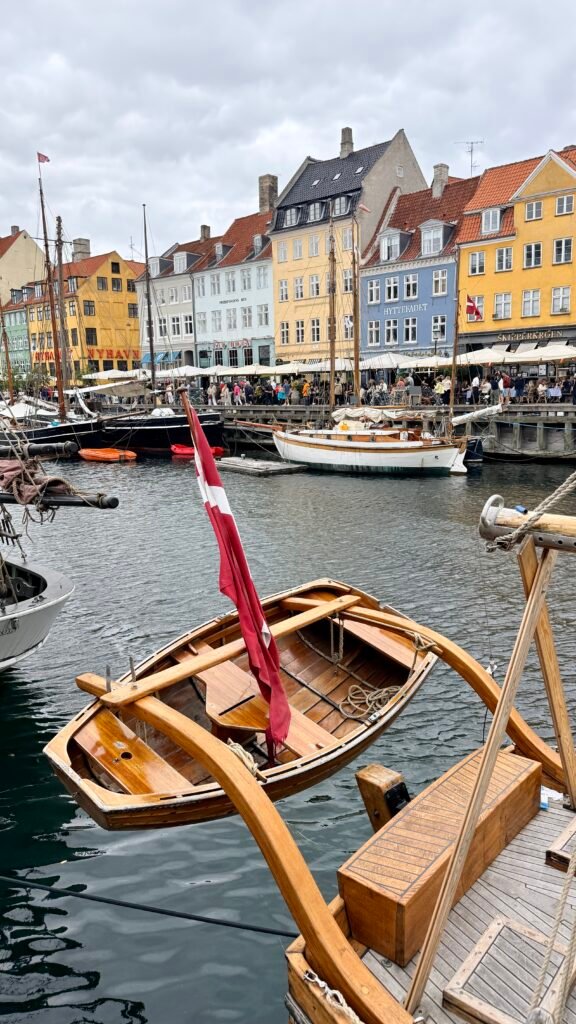
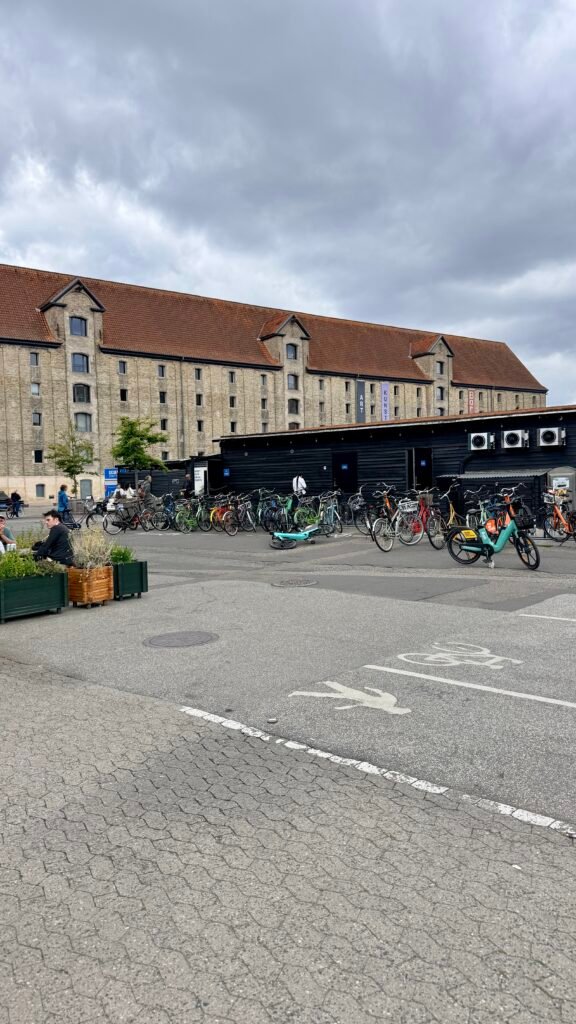
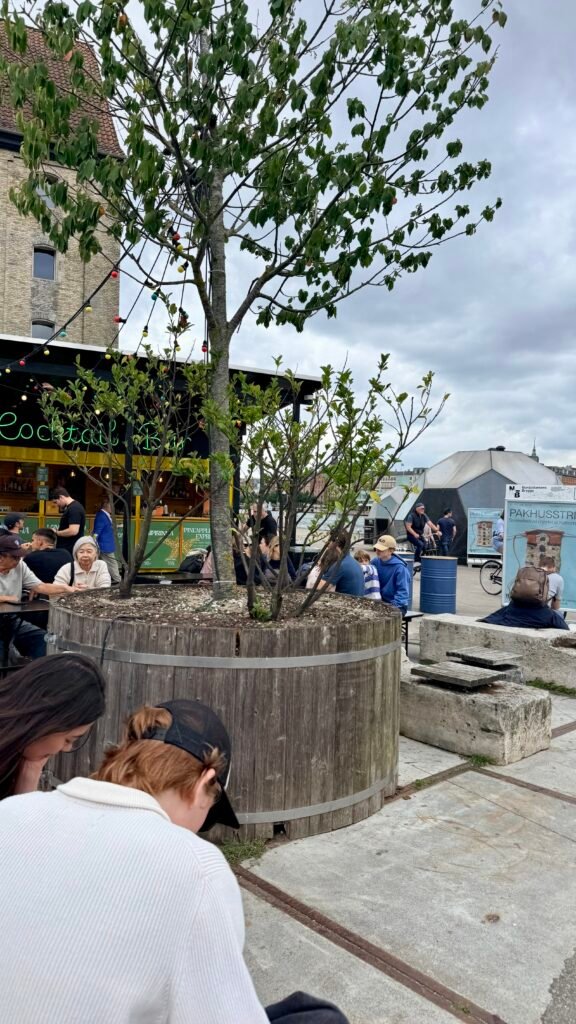
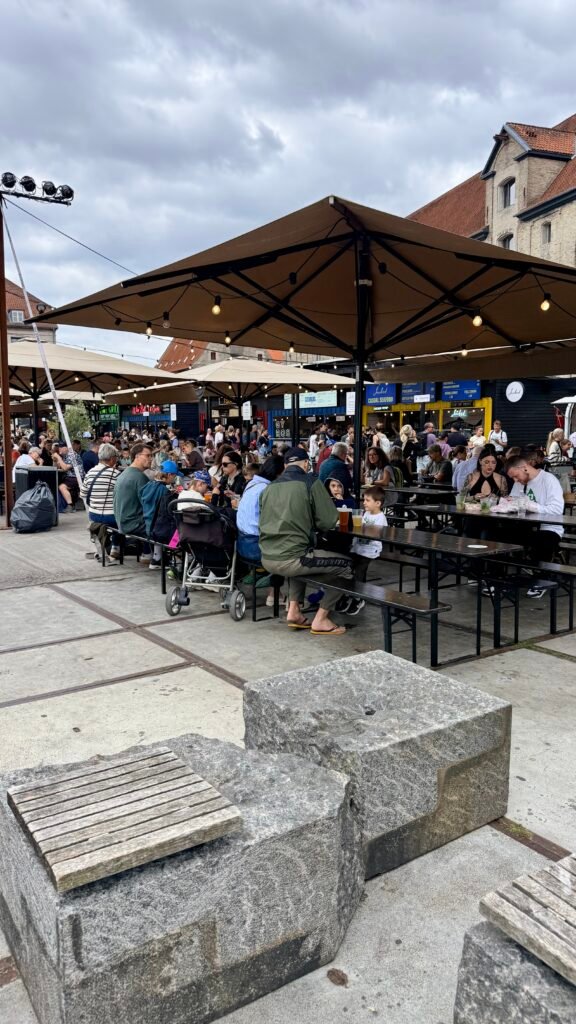
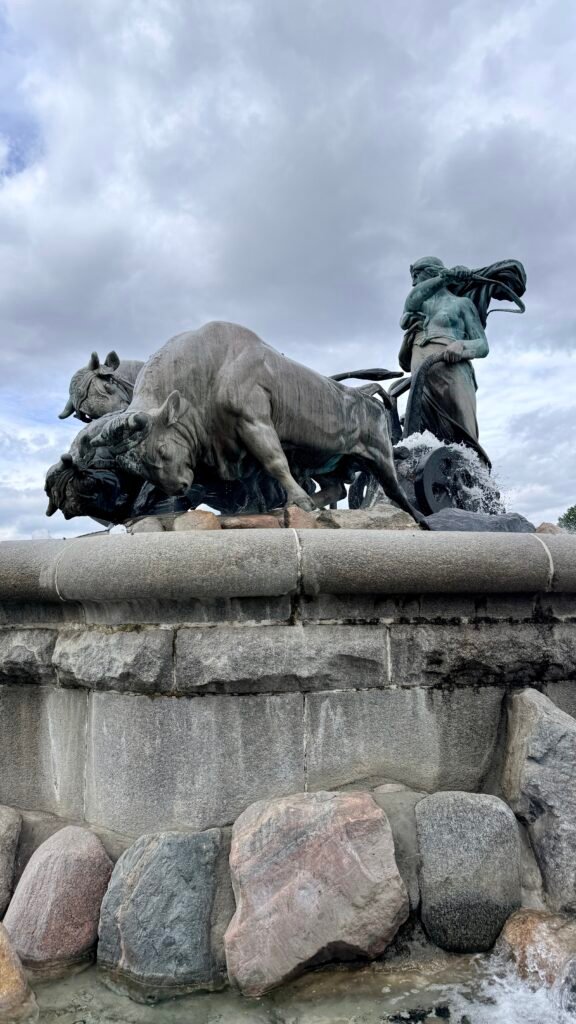
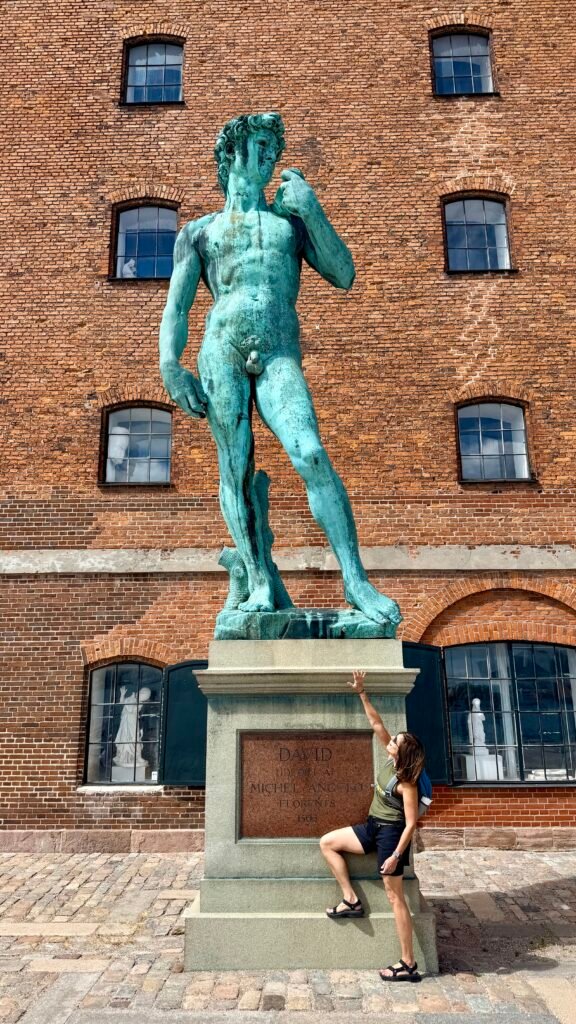
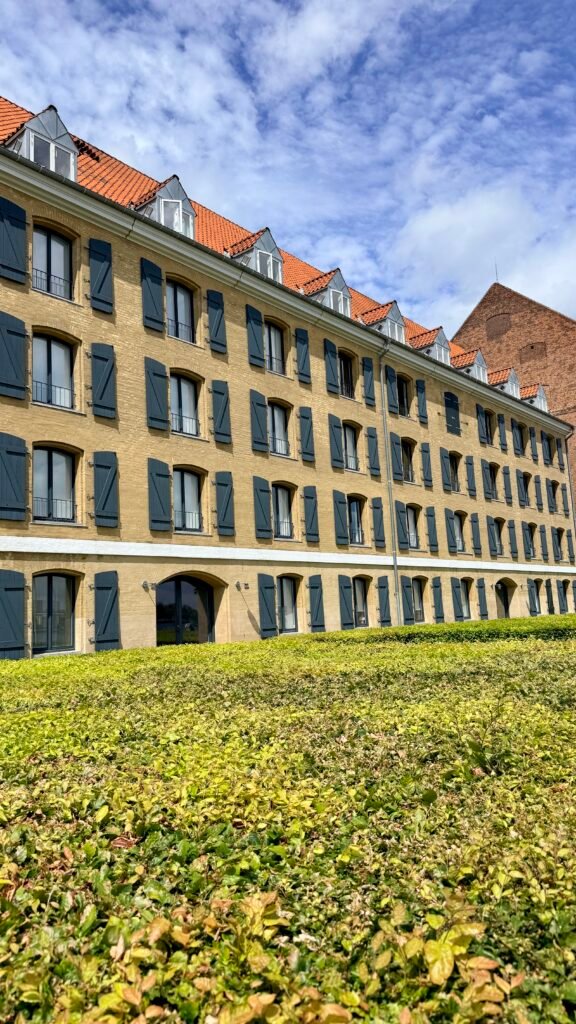
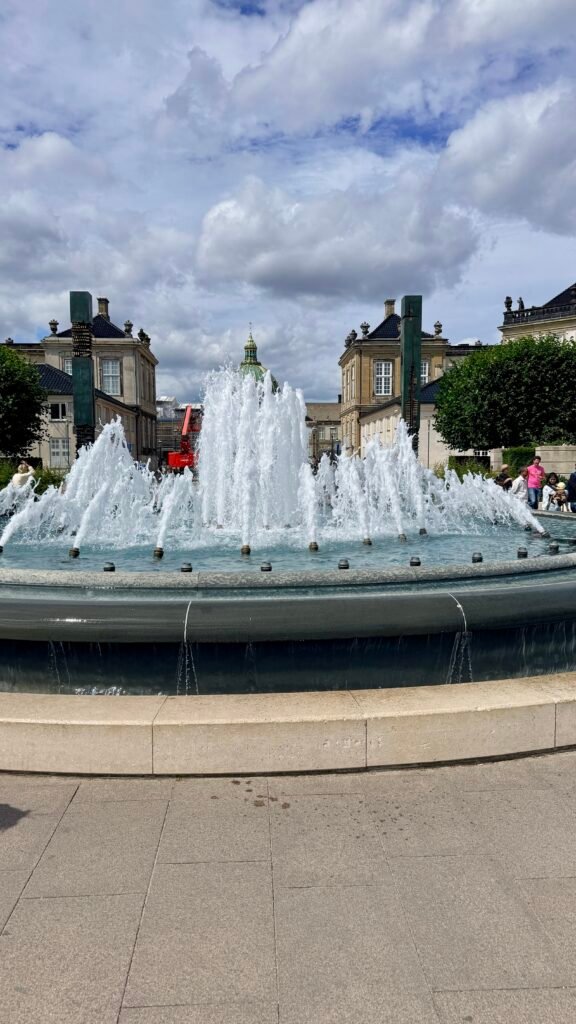
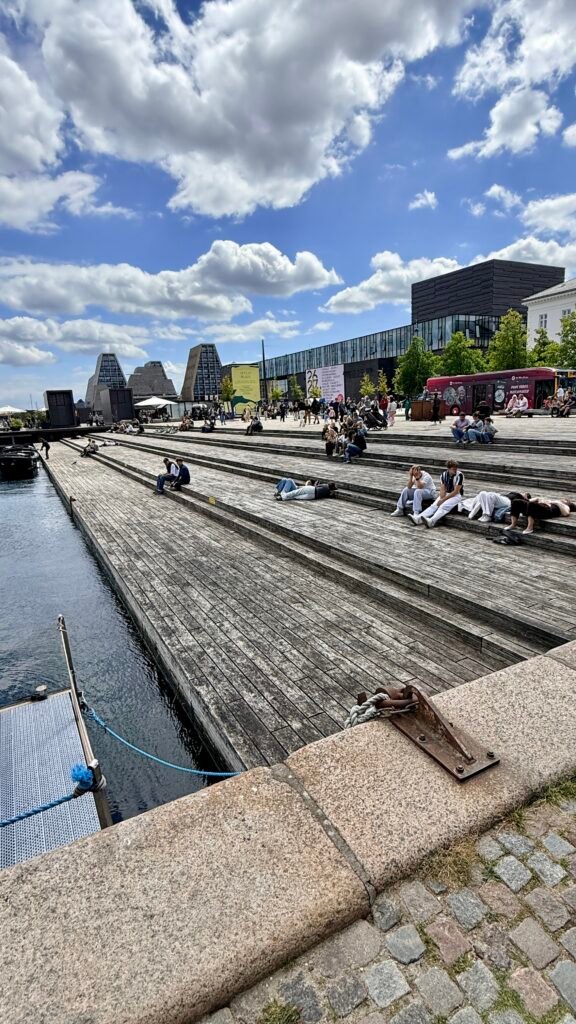
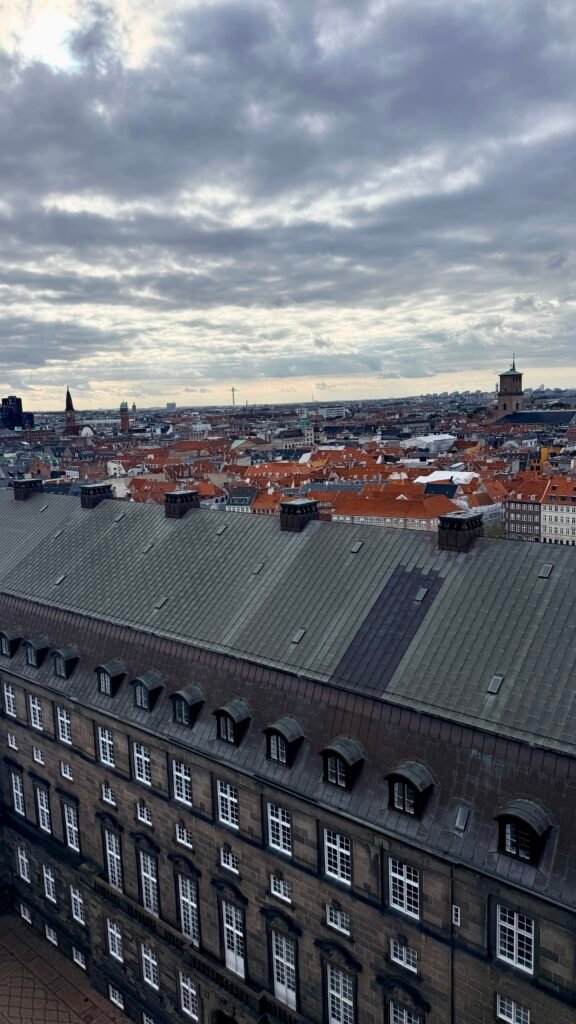
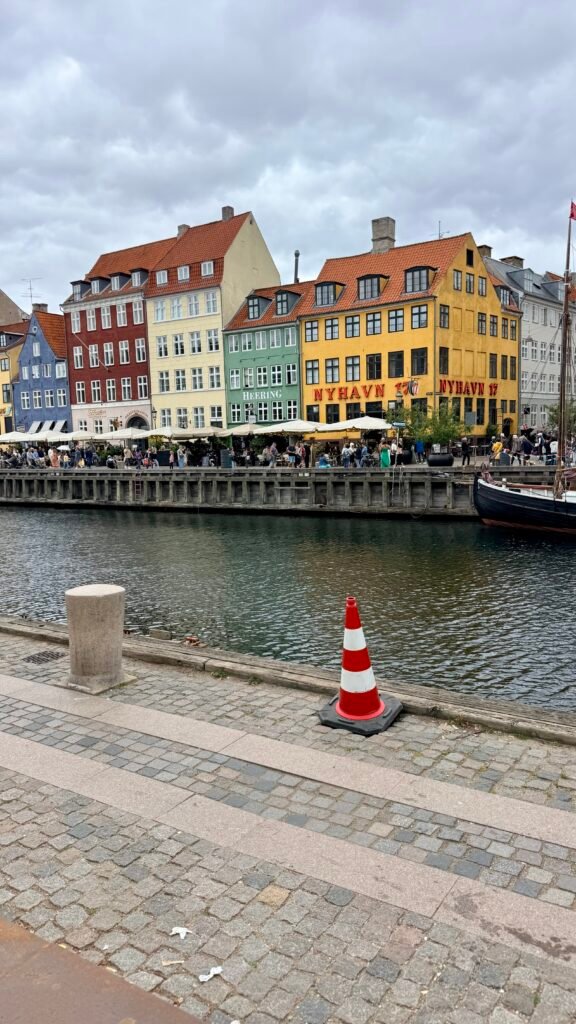
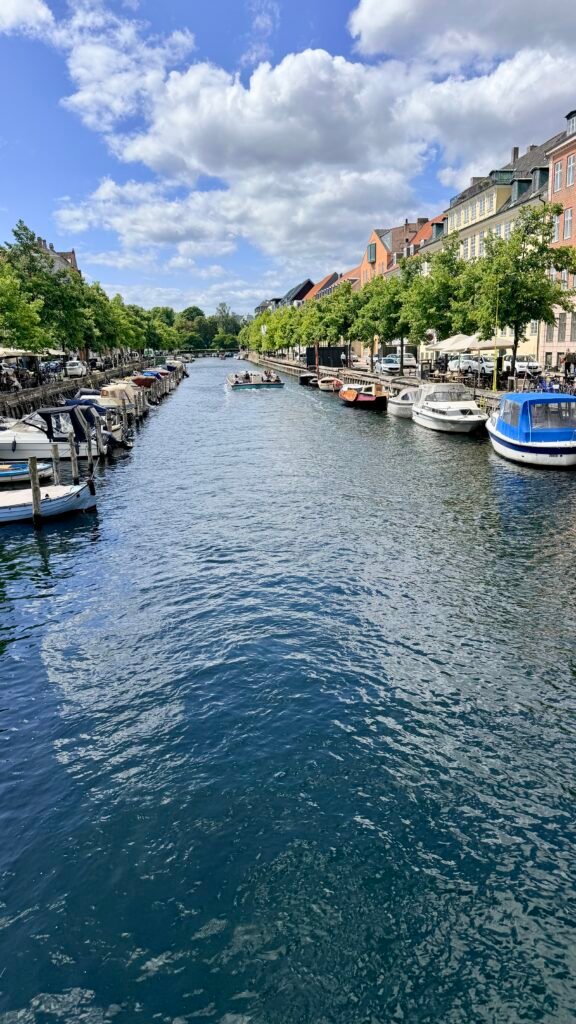
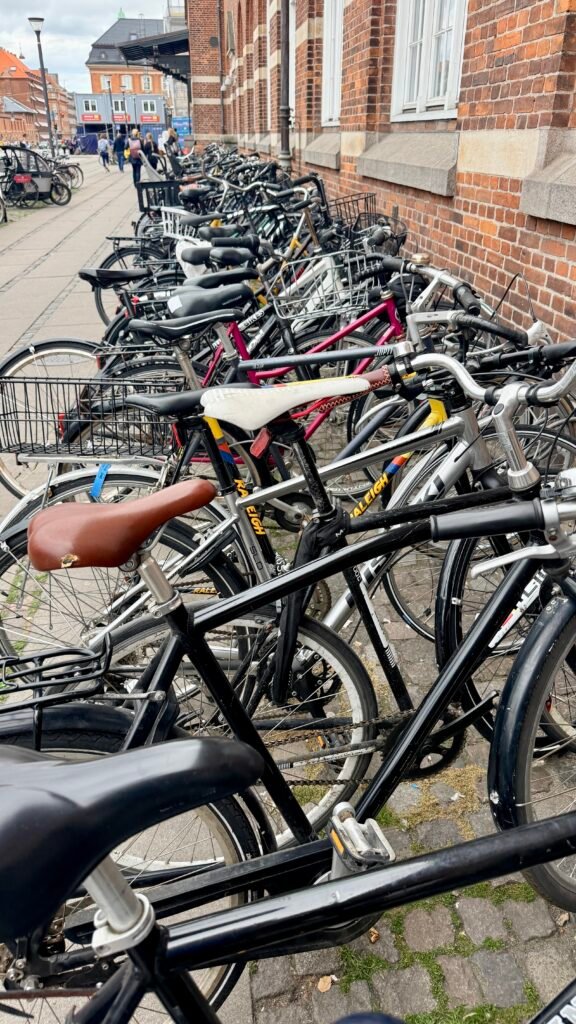
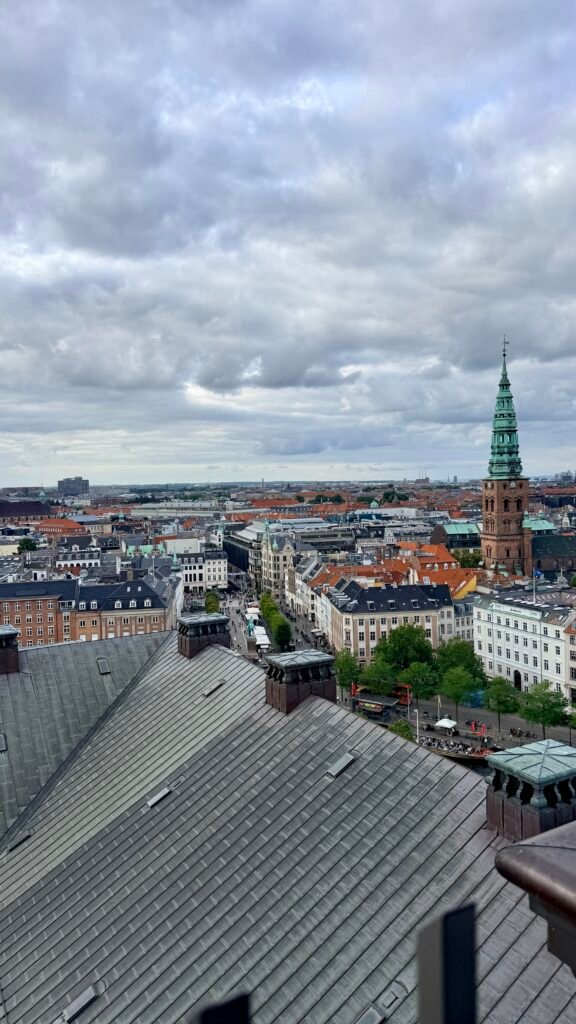
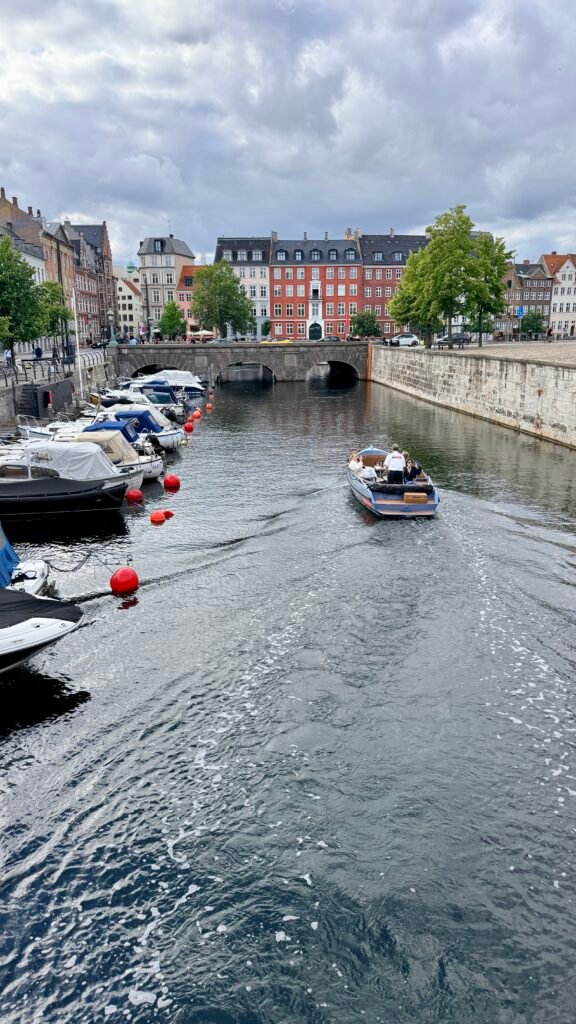
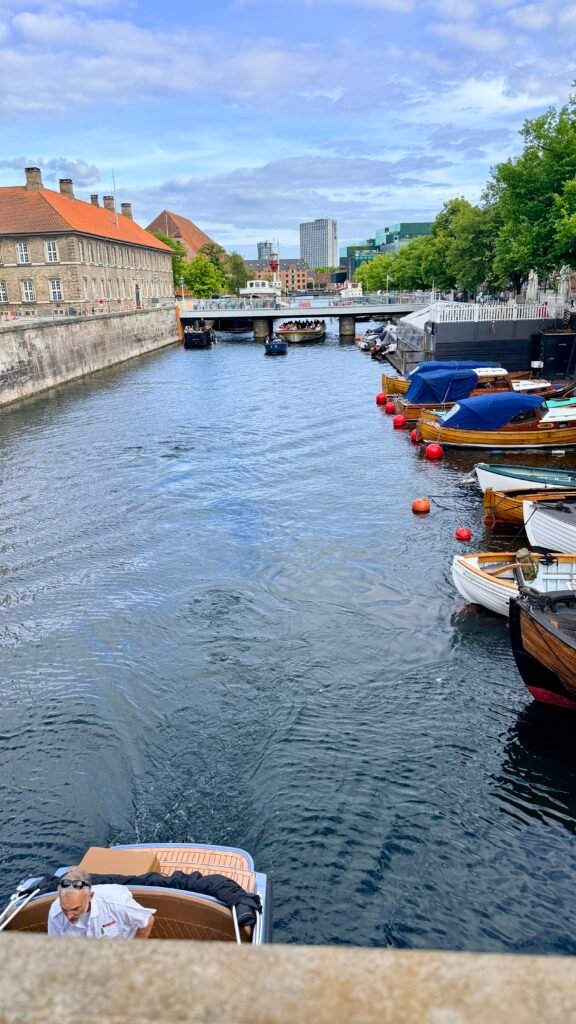
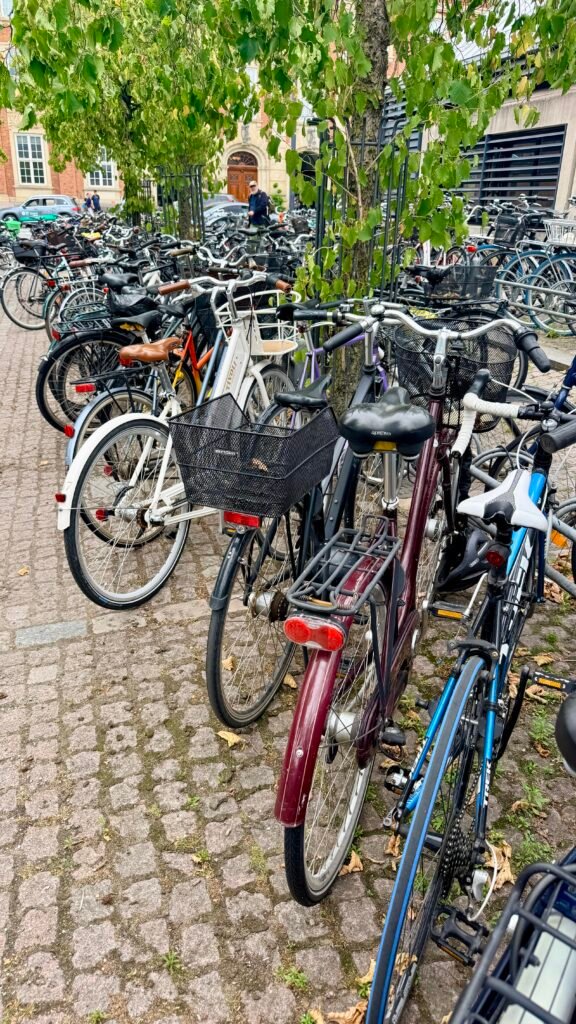
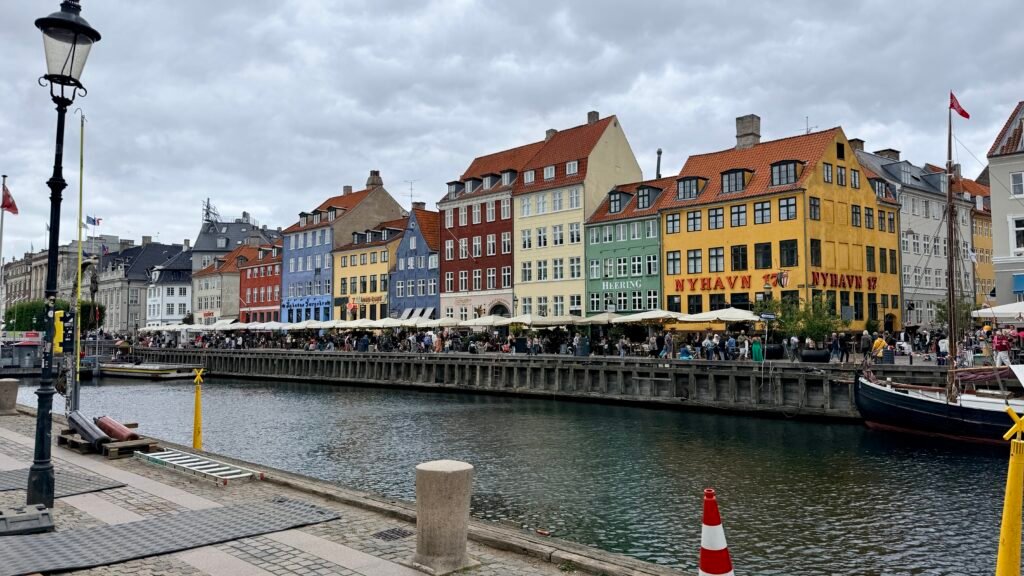
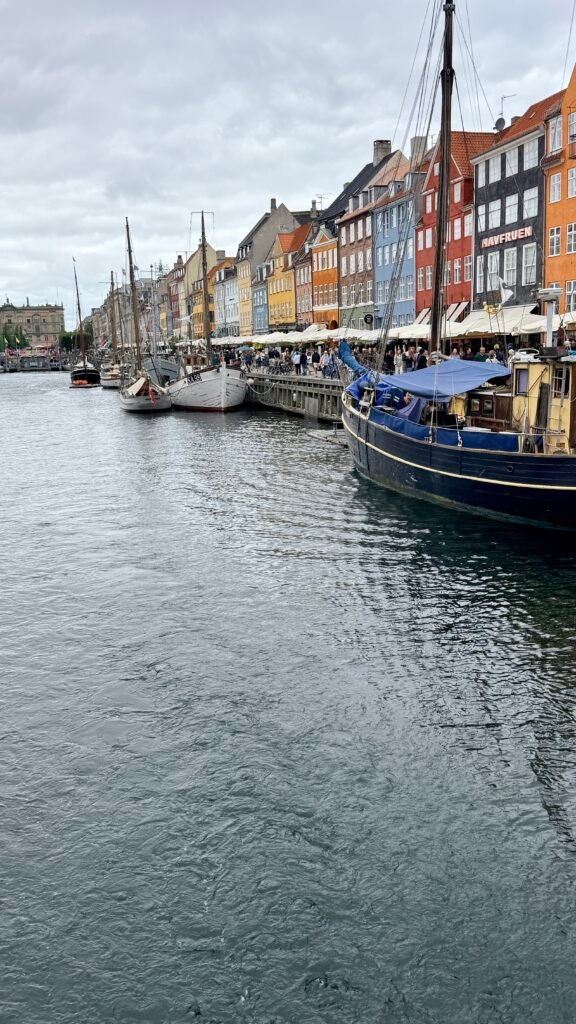
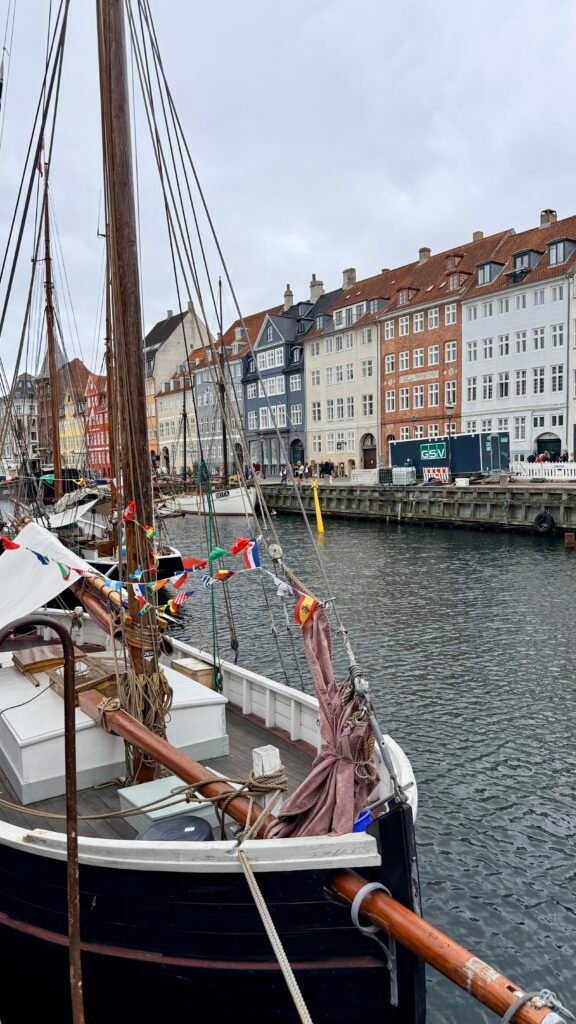
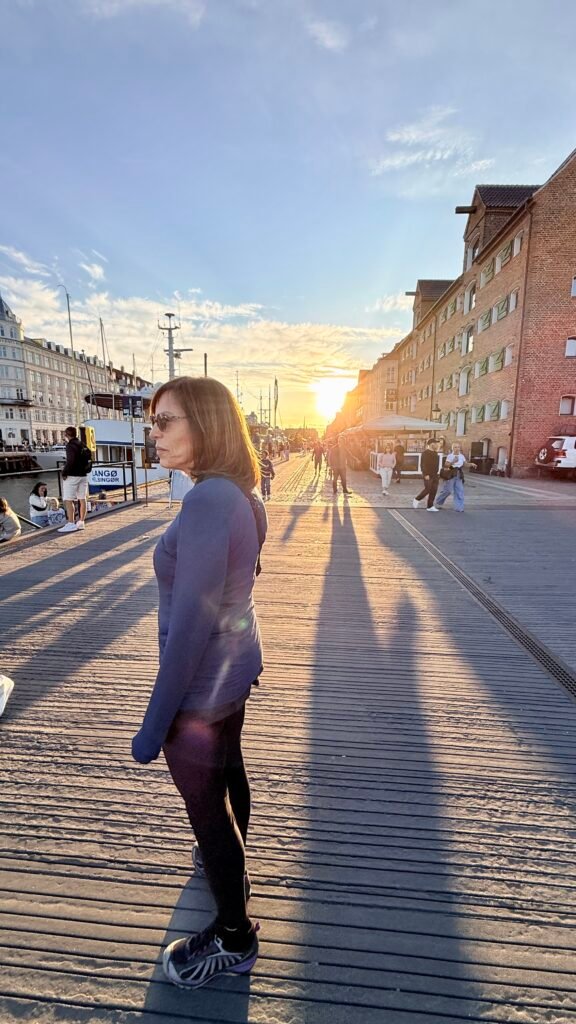
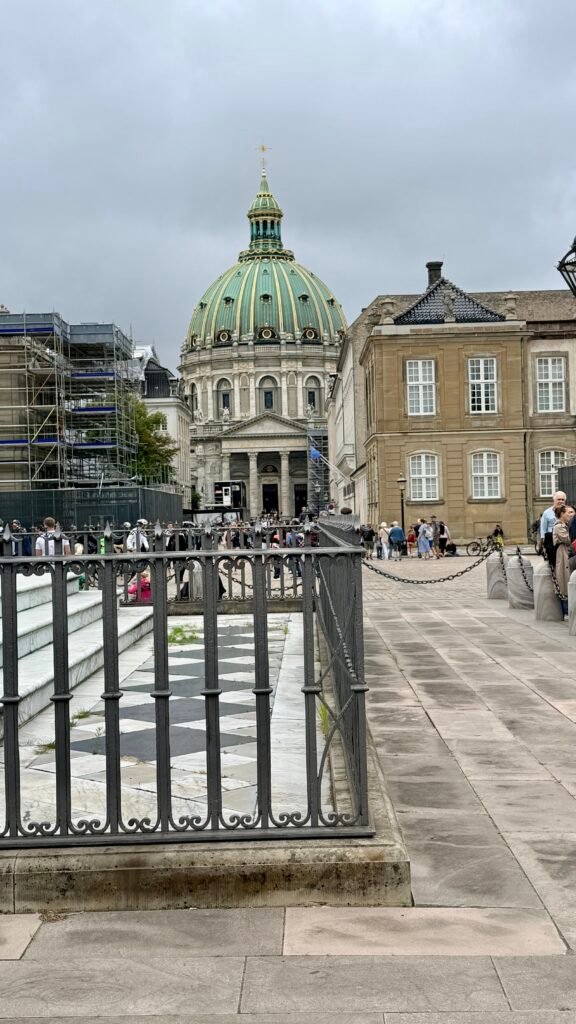
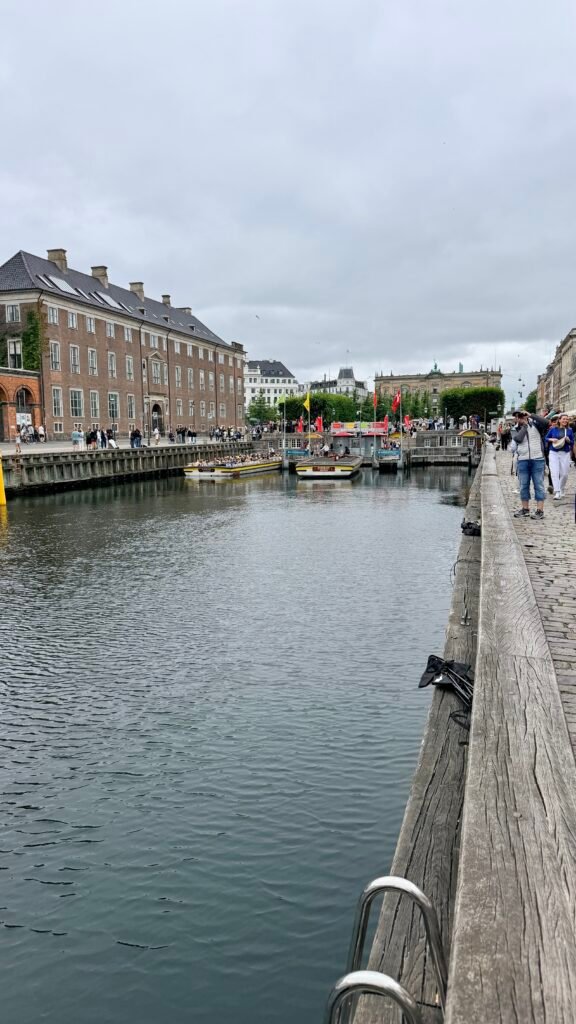
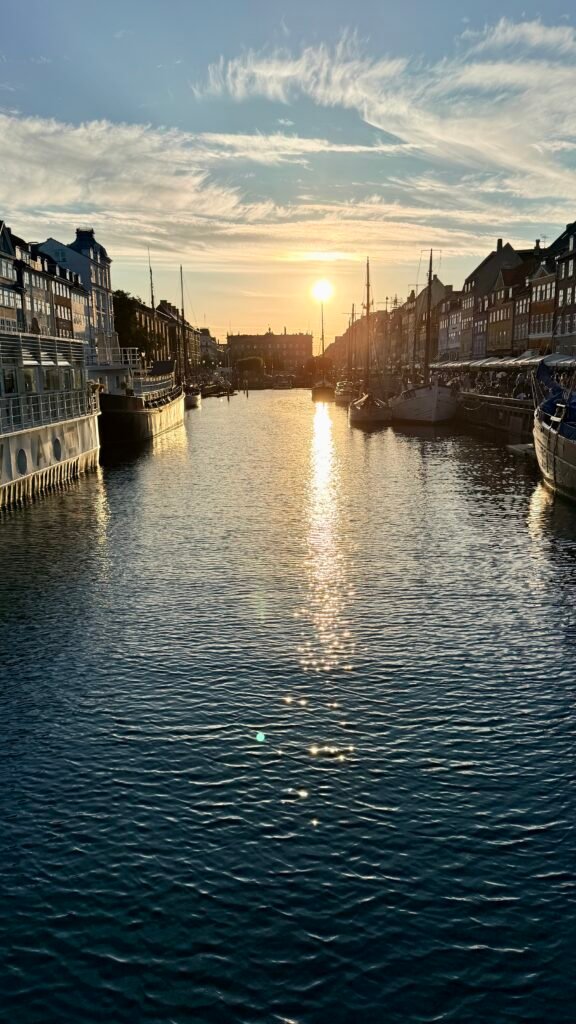
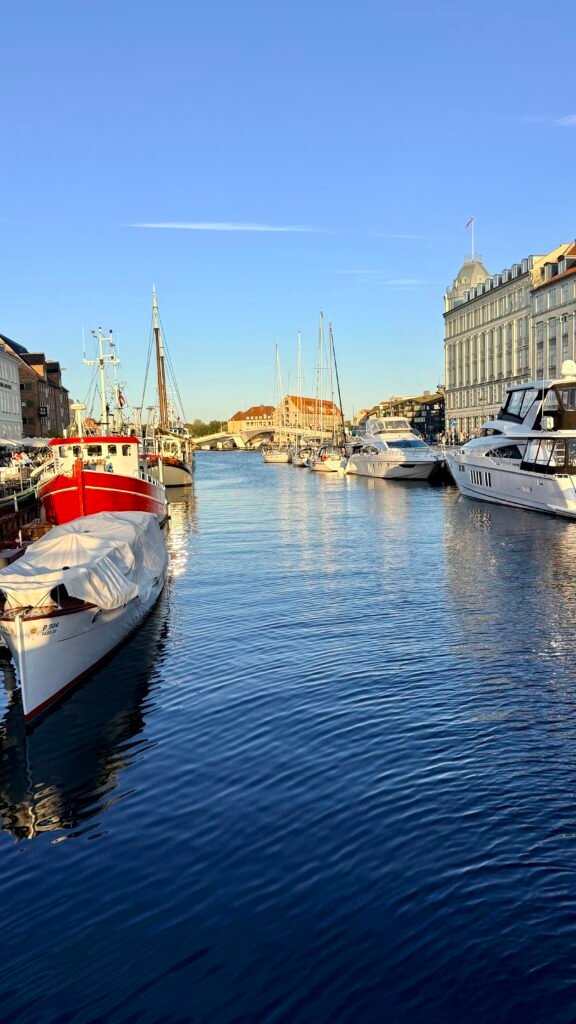
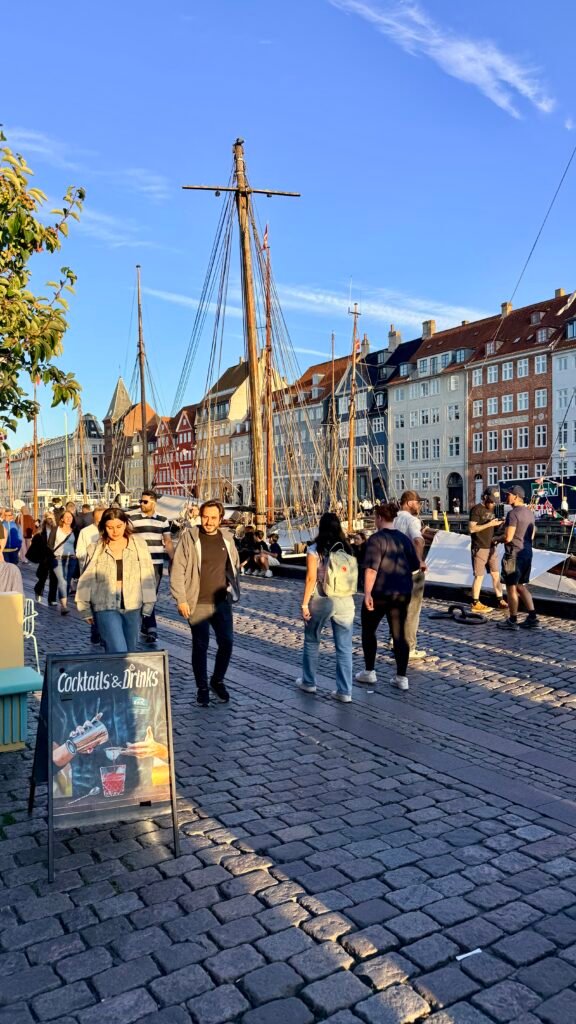
Capital of Denmark and the country’s largest city, located on the eastern coast of Zealand. Population. There are about 1.4 million people in the greater metropolitan area. It is known for its colorful waterfront, historic architecture, canals, and cycling culture. The city has a relaxed, clean, and very walkable feel, with excellent public transportation. Major sights include Nyhavn, Tivoli Gardens, Rosenborg Castle, Amalienborg Palace, Christiansborg Palace, and the Little Mermaid.
Hans Christian Andersen (1805–1875) – Denmark’s most famous writer, known worldwide for The Little Mermaid, The Ugly Duckling, The Emperor’s New Clothes, and other fairy tales. He lived much of his life in Copenhagen.
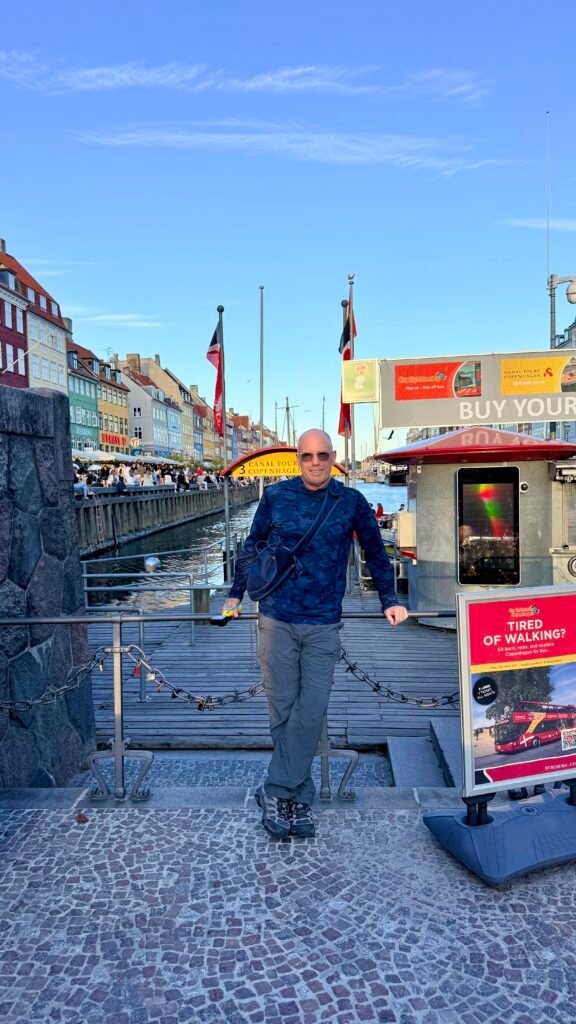
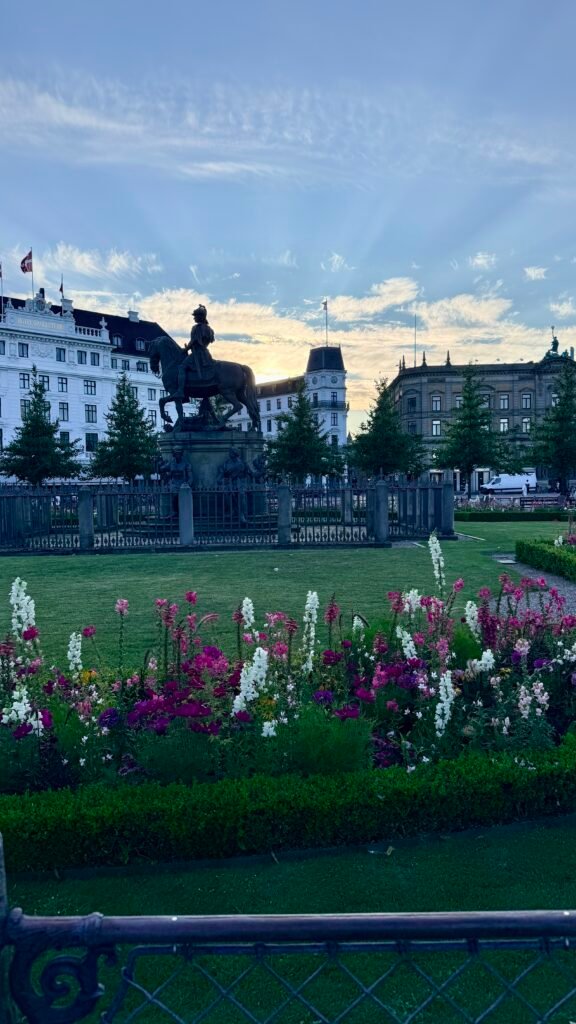
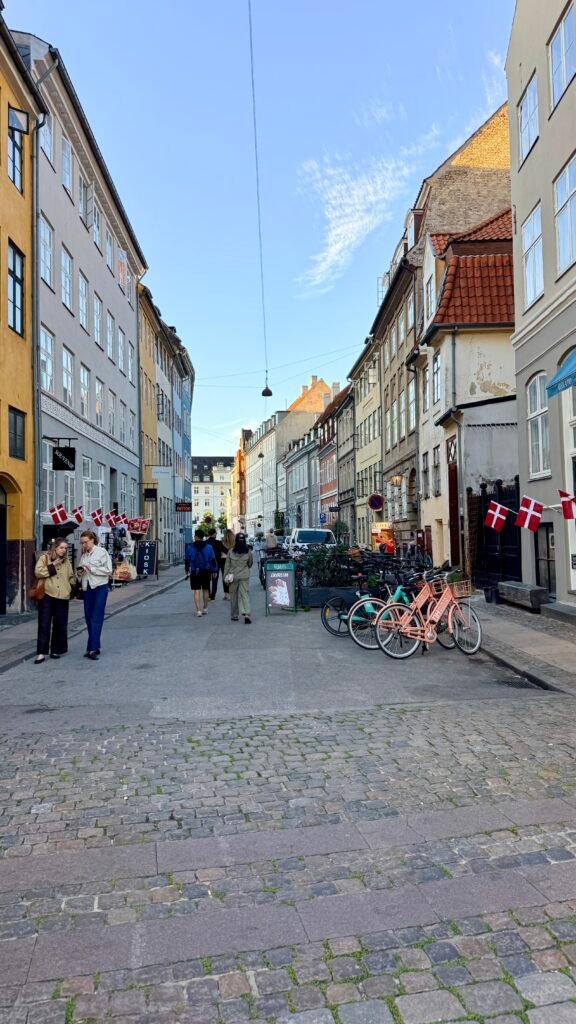
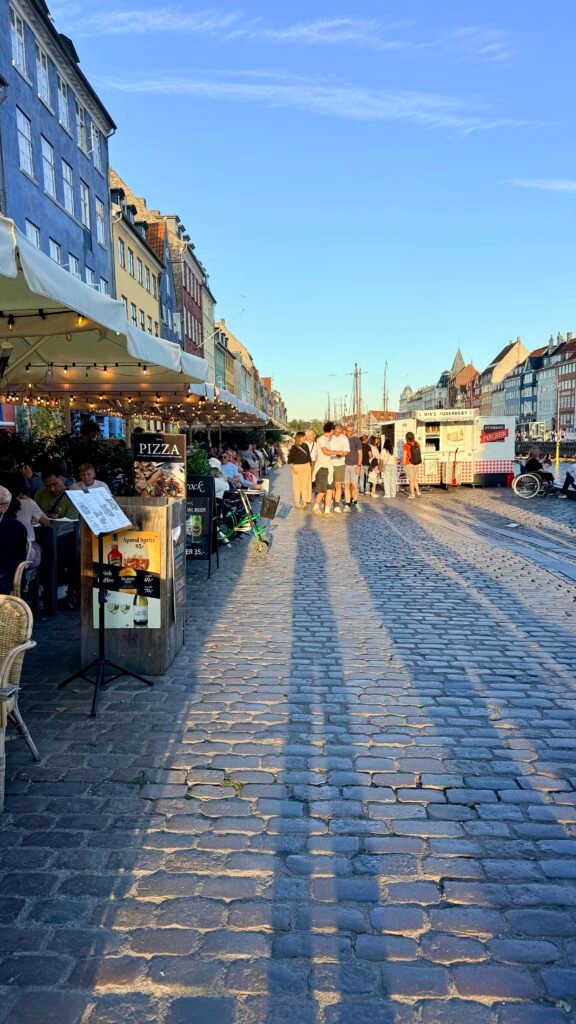
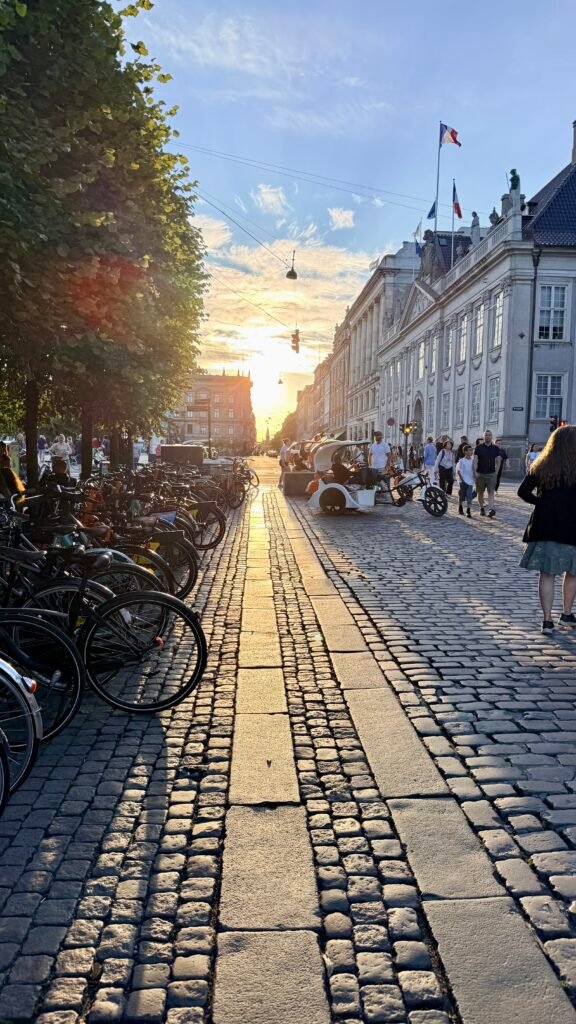
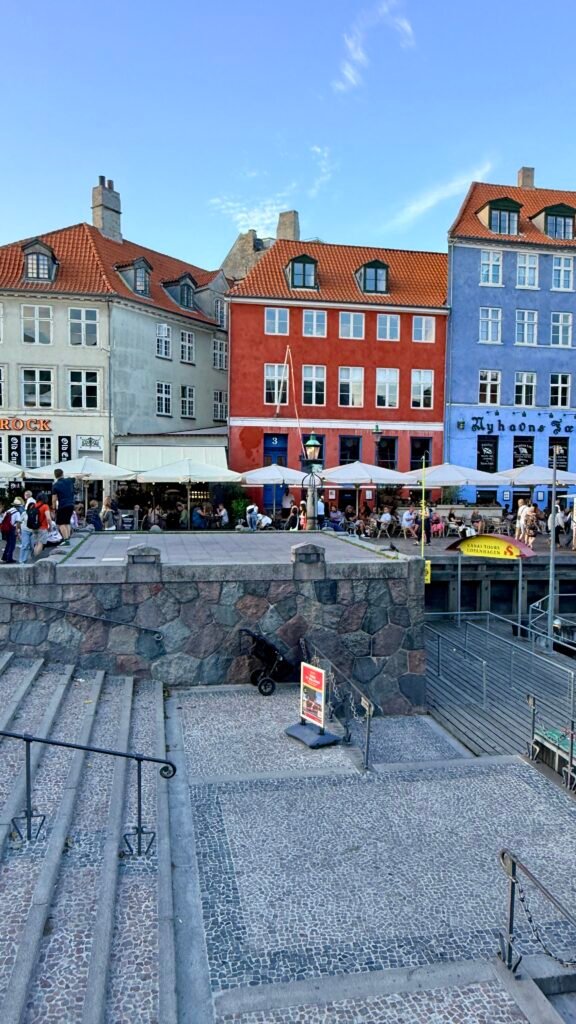
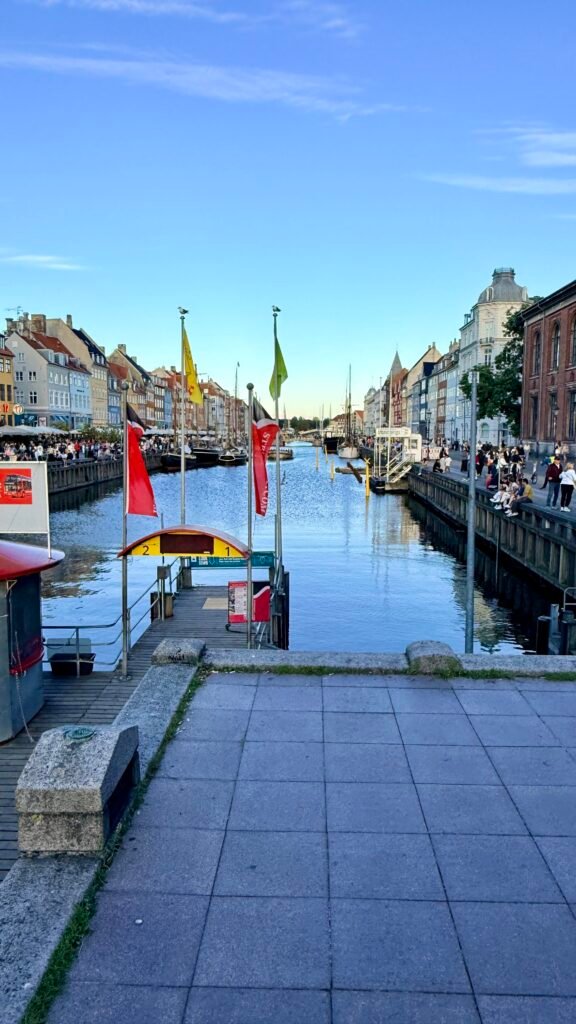
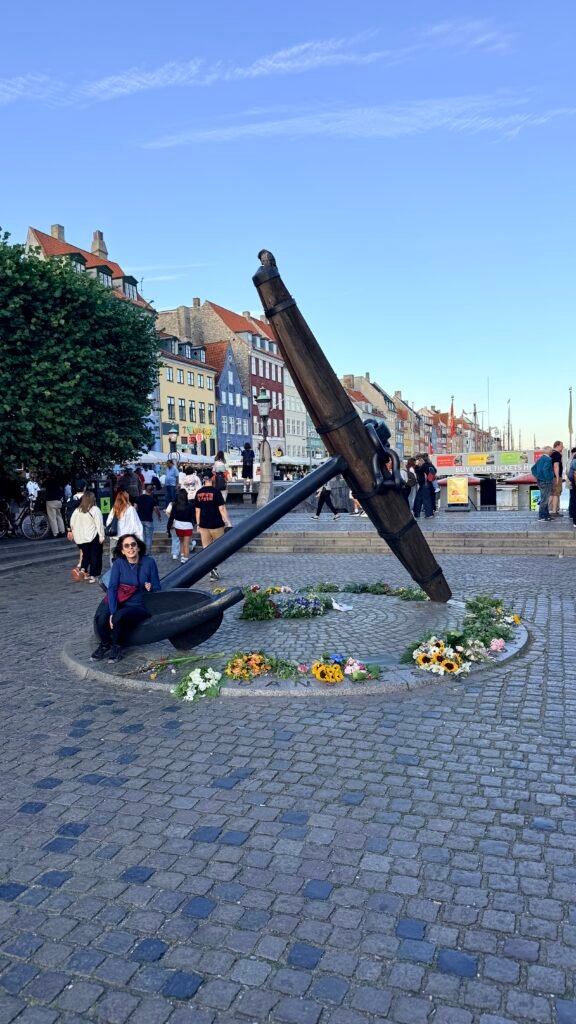
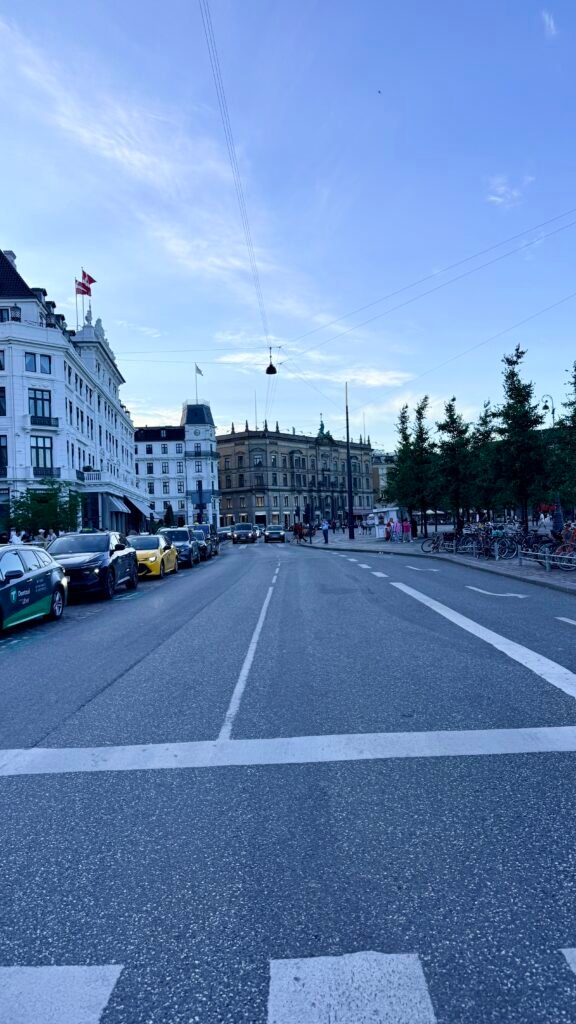
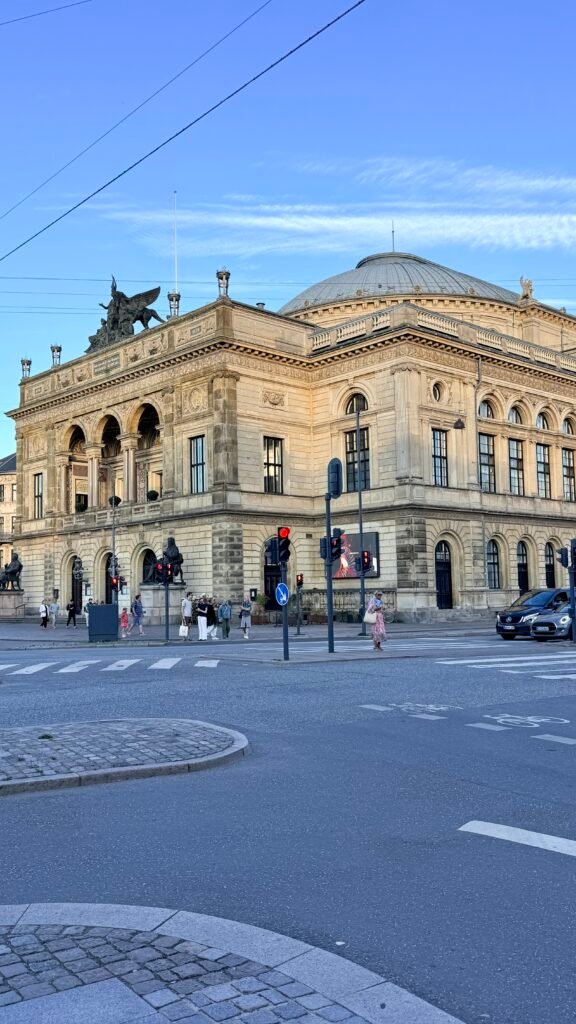
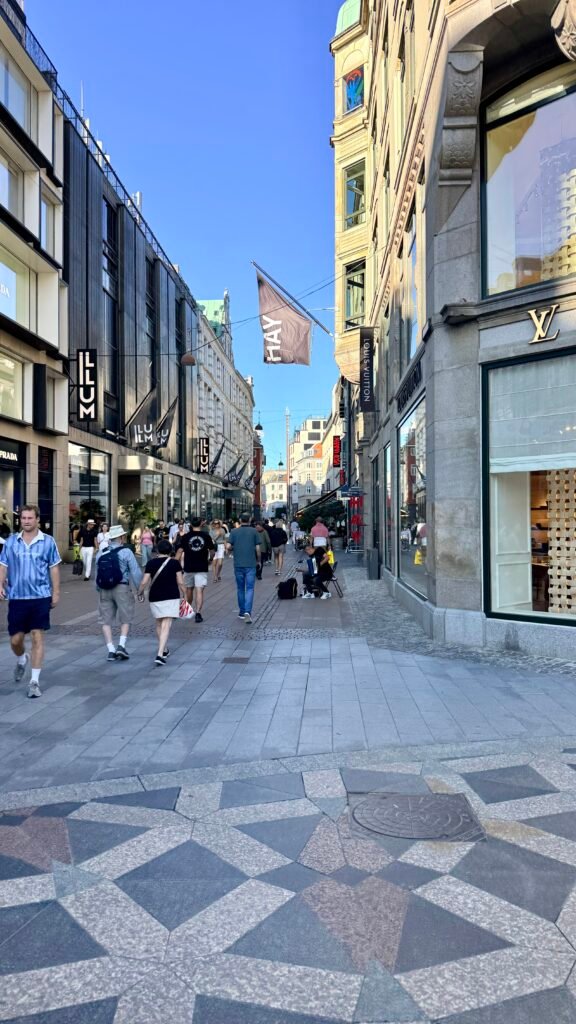
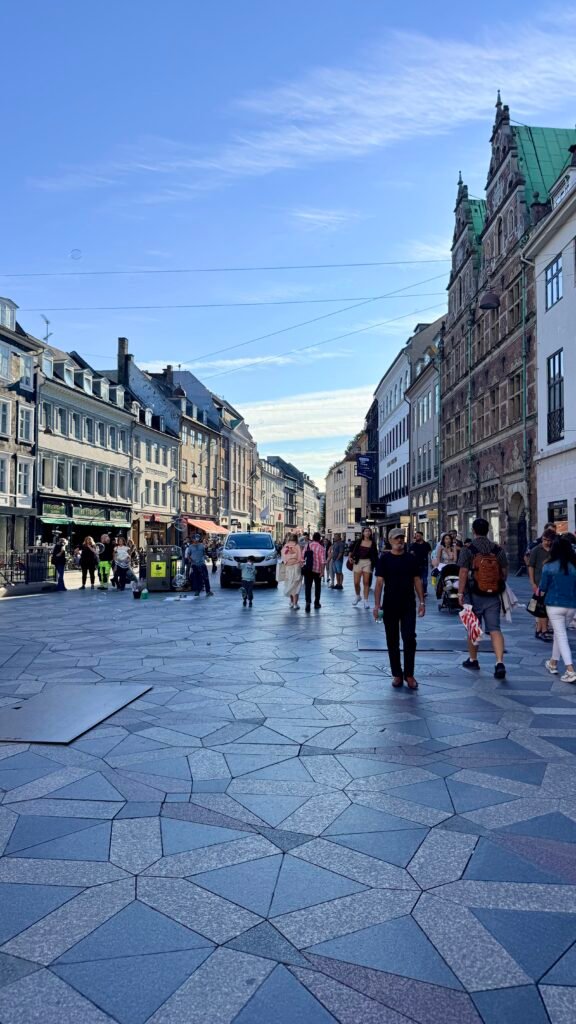
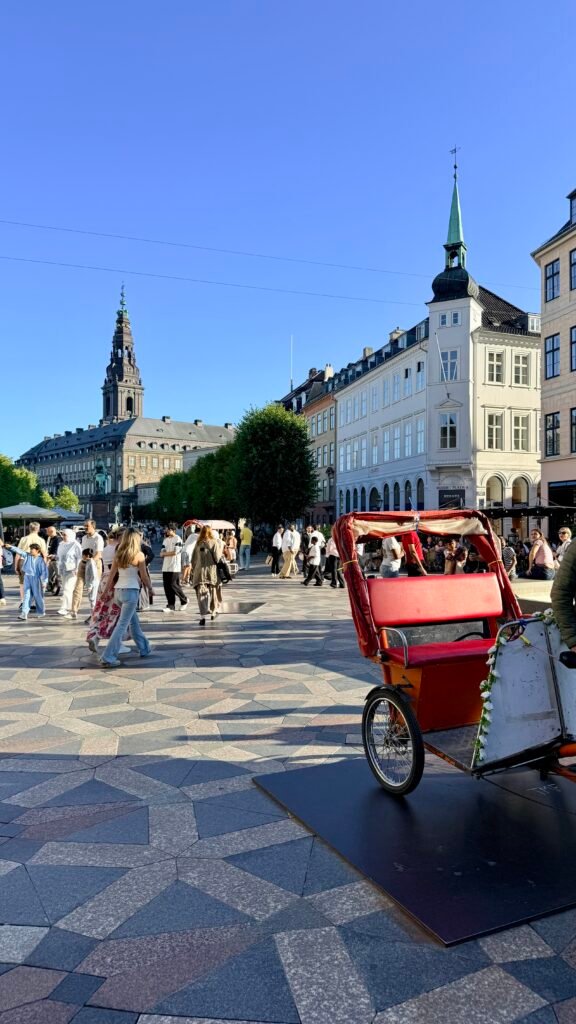
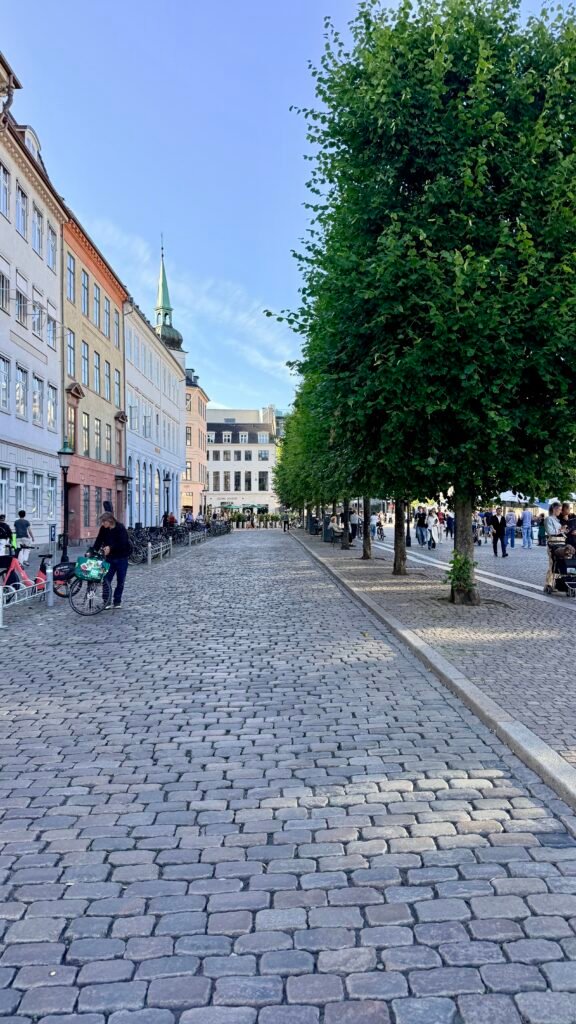
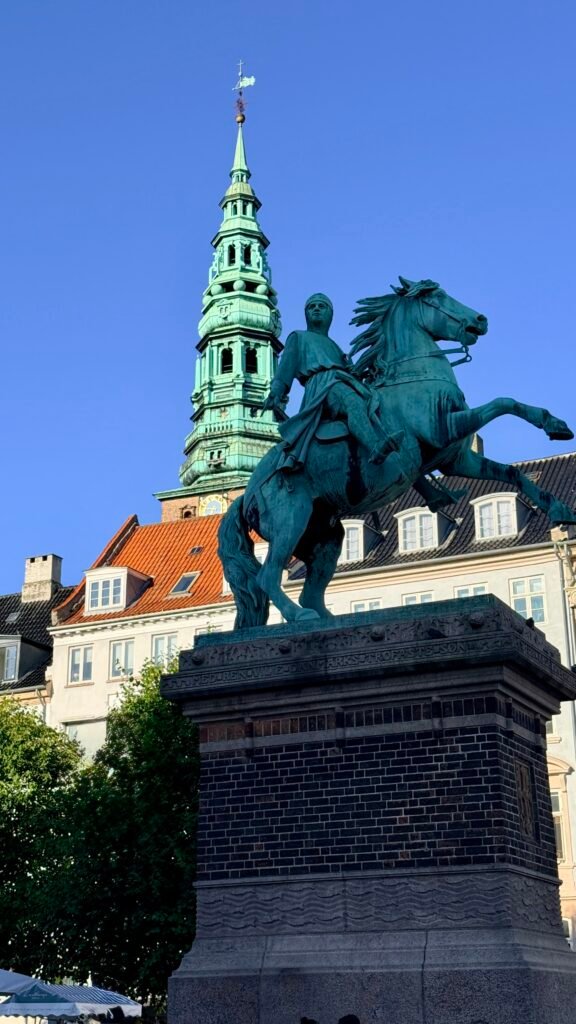
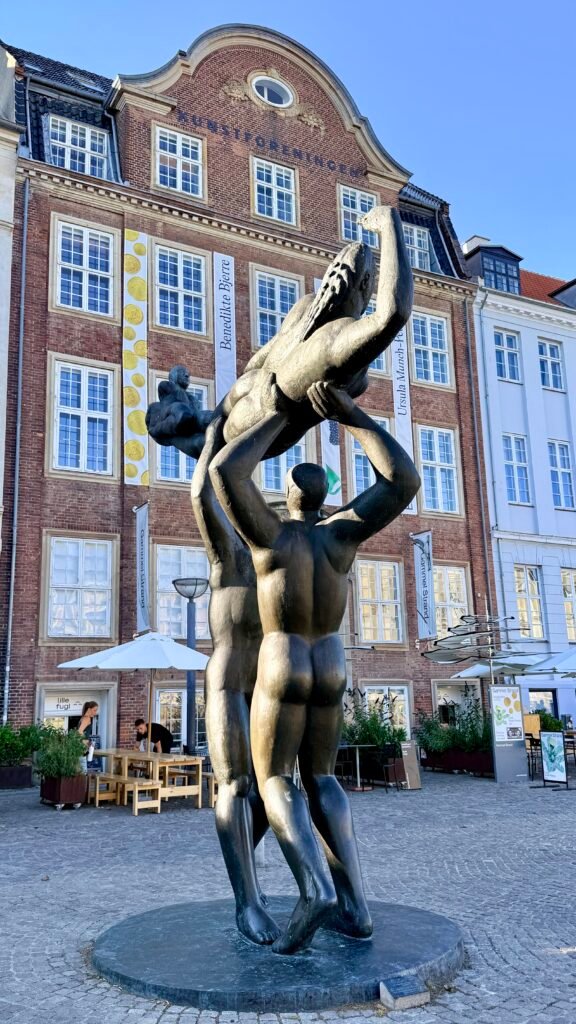
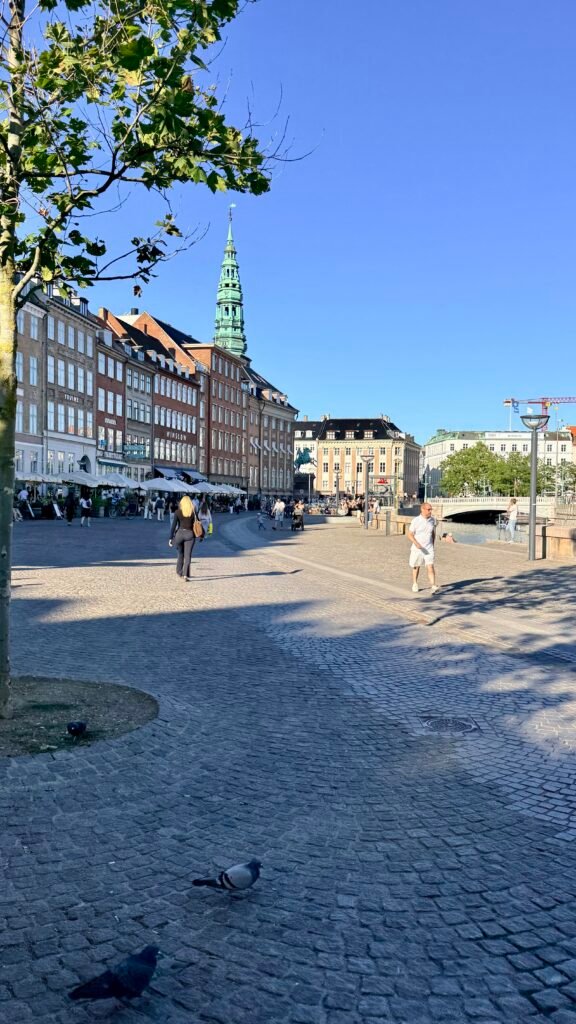
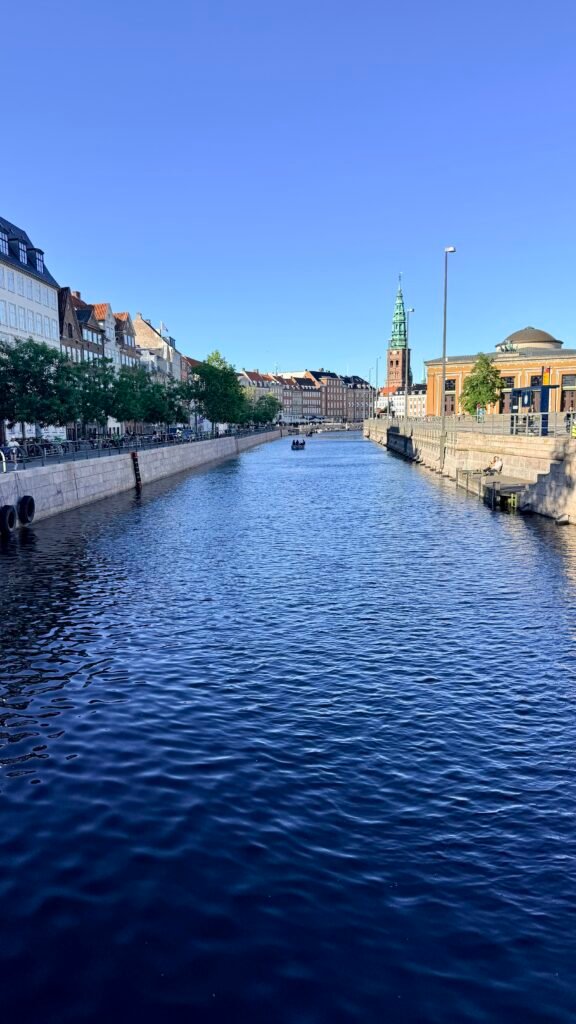
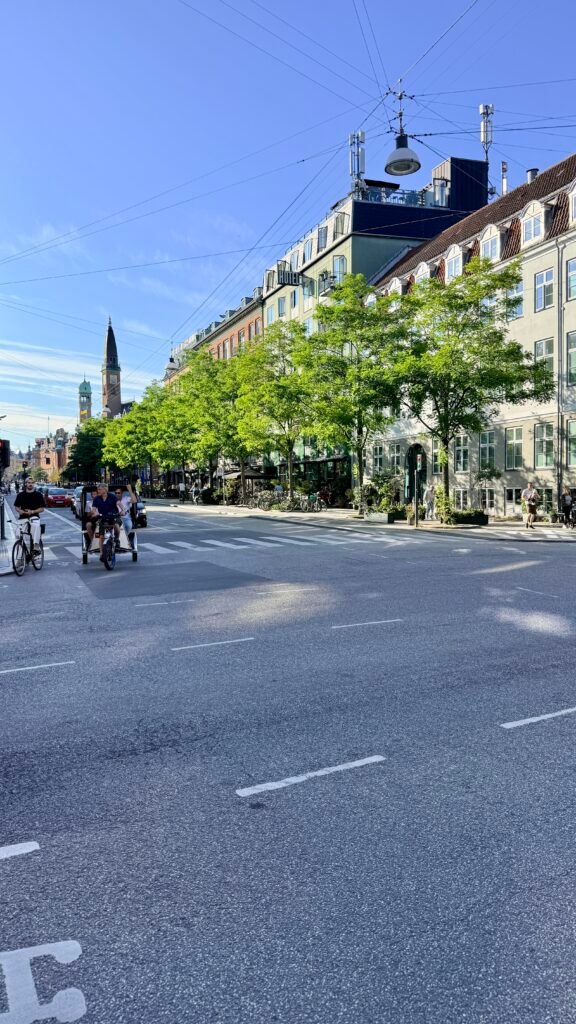
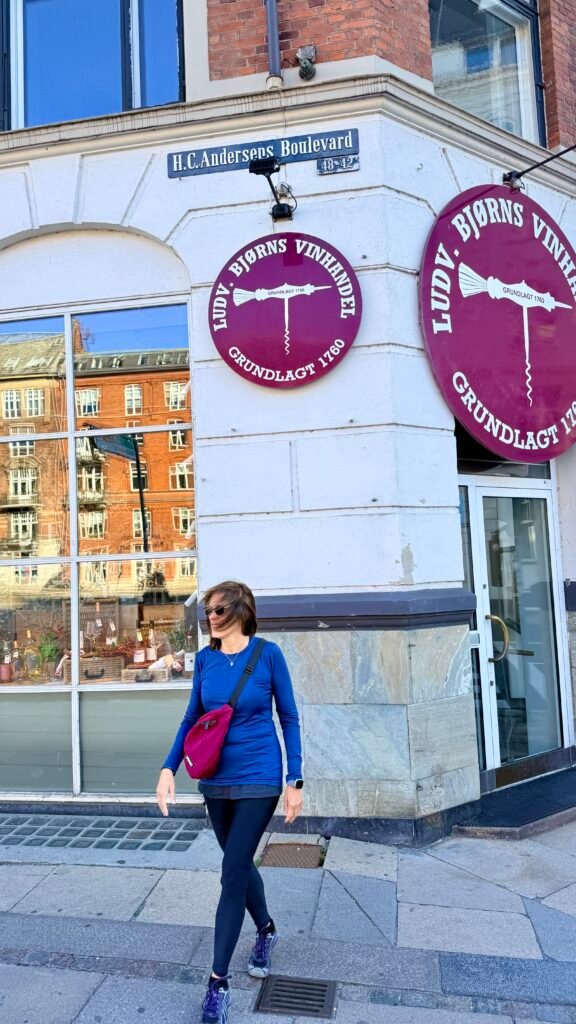
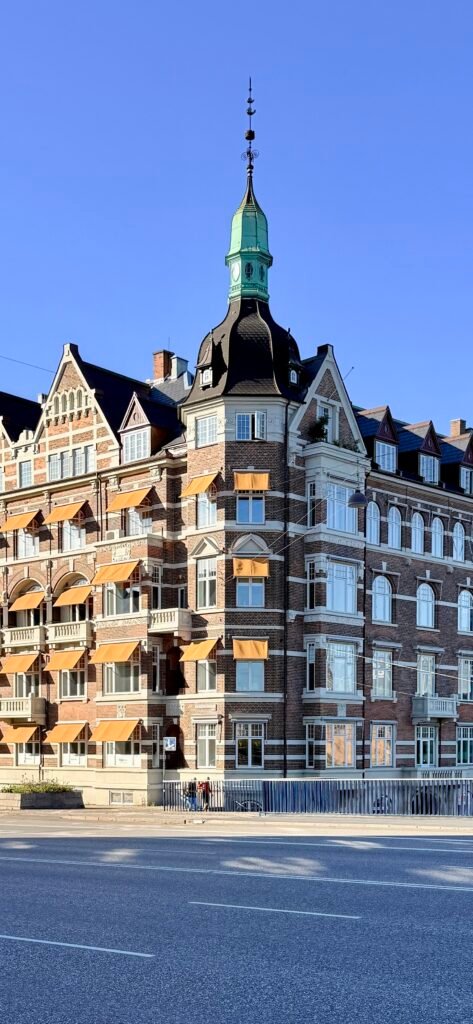
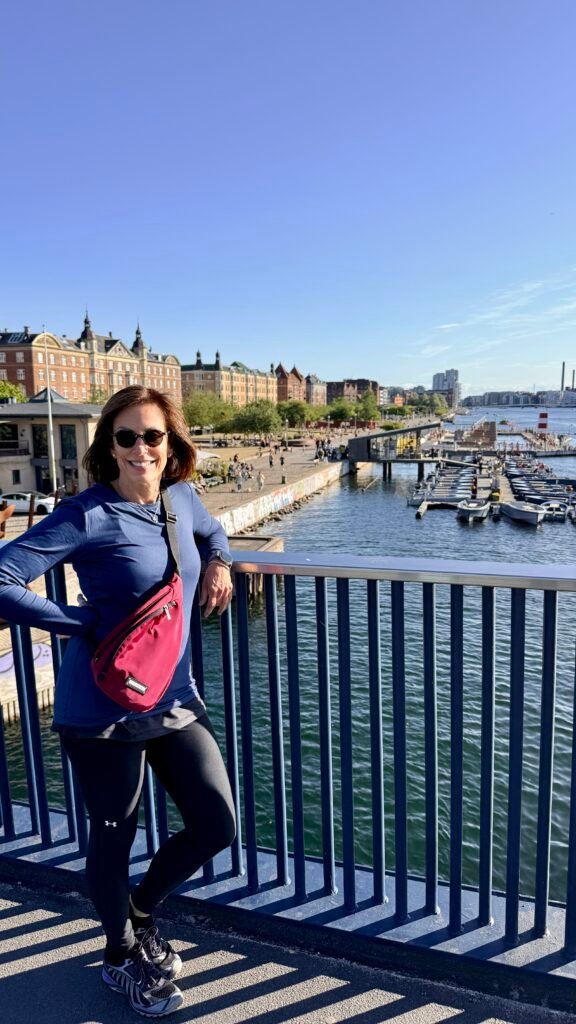
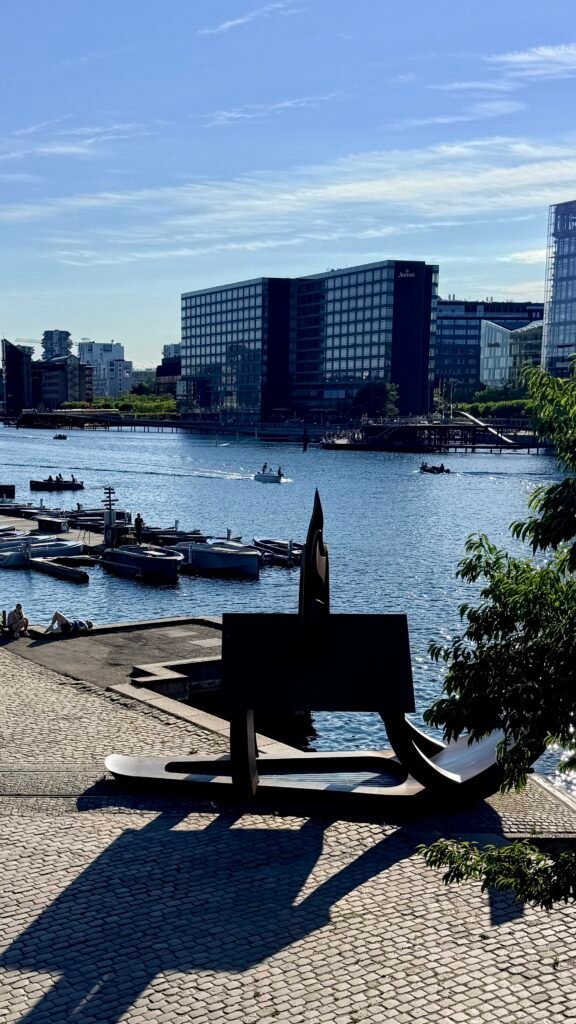
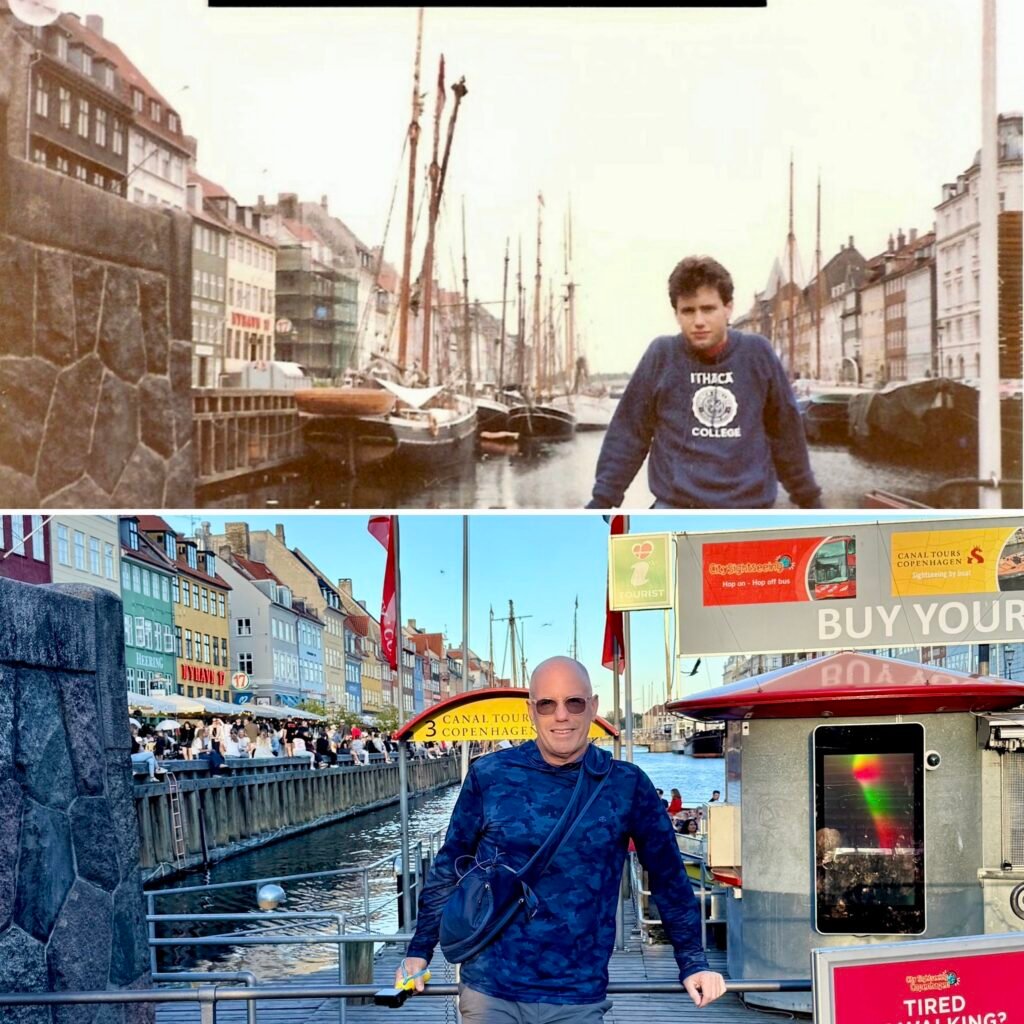
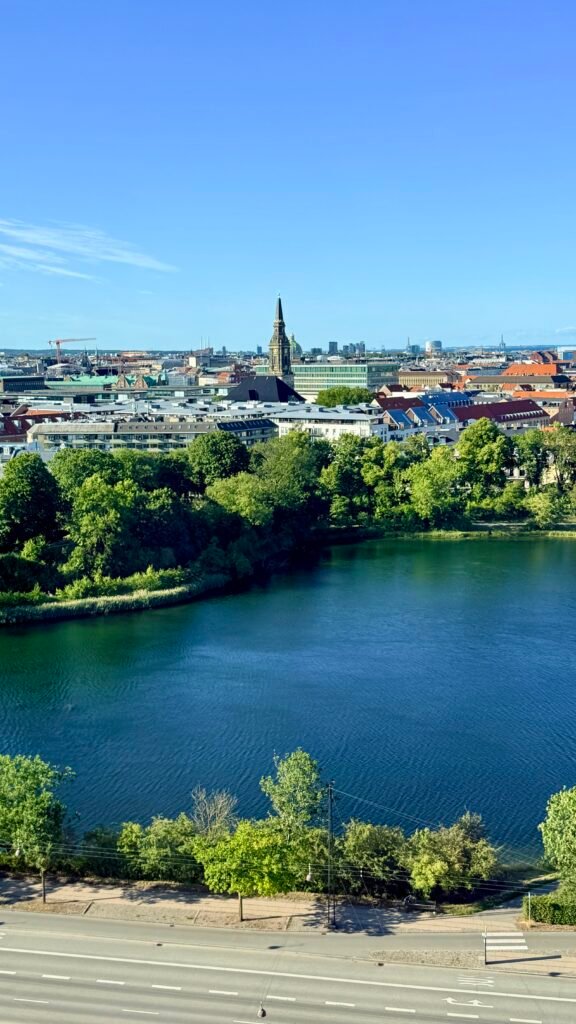
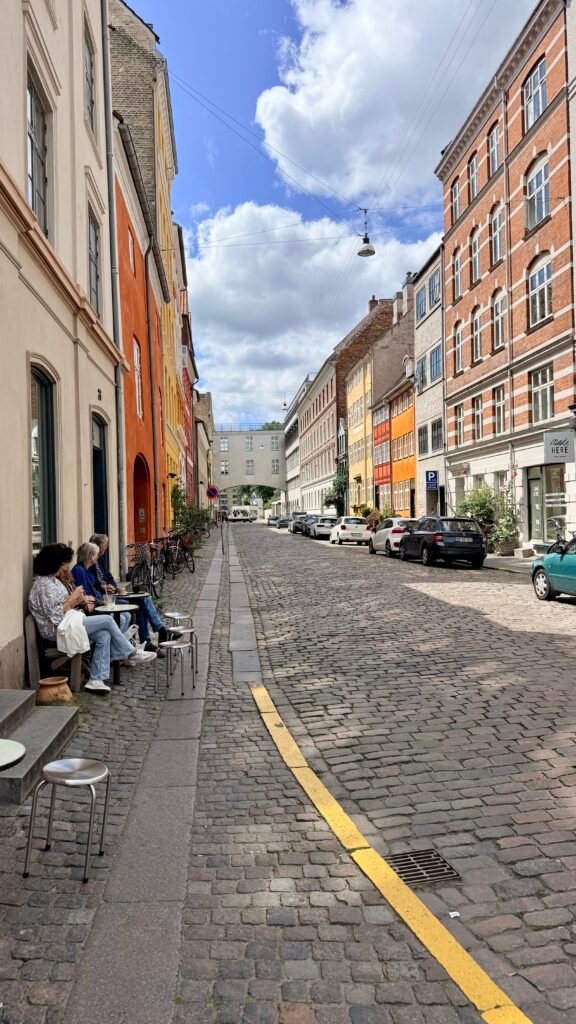
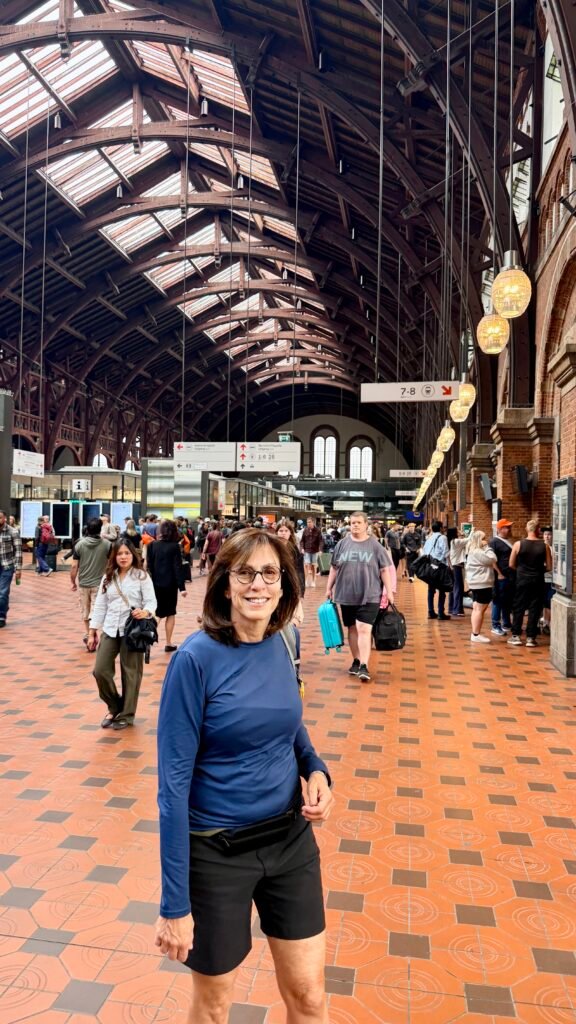
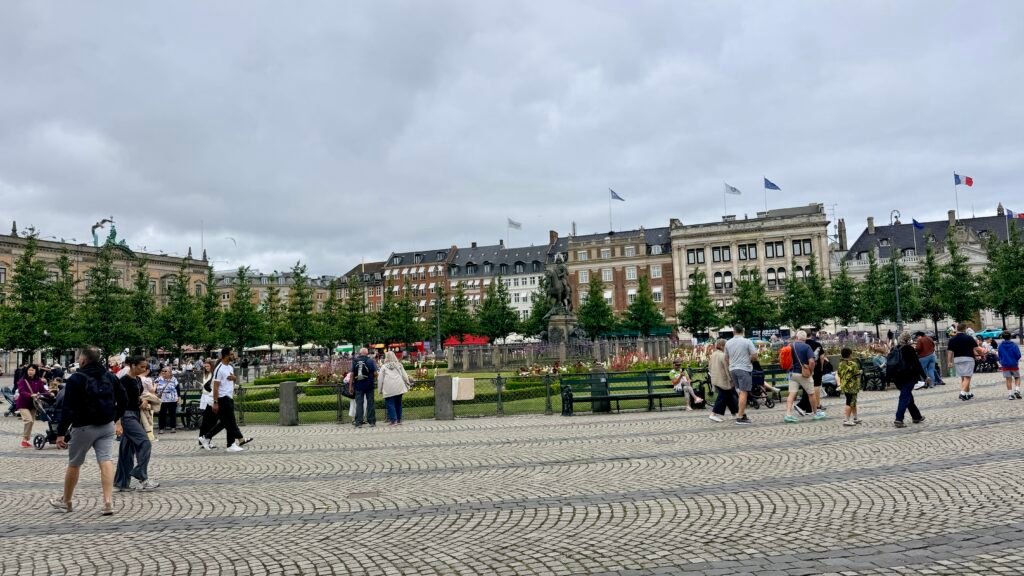
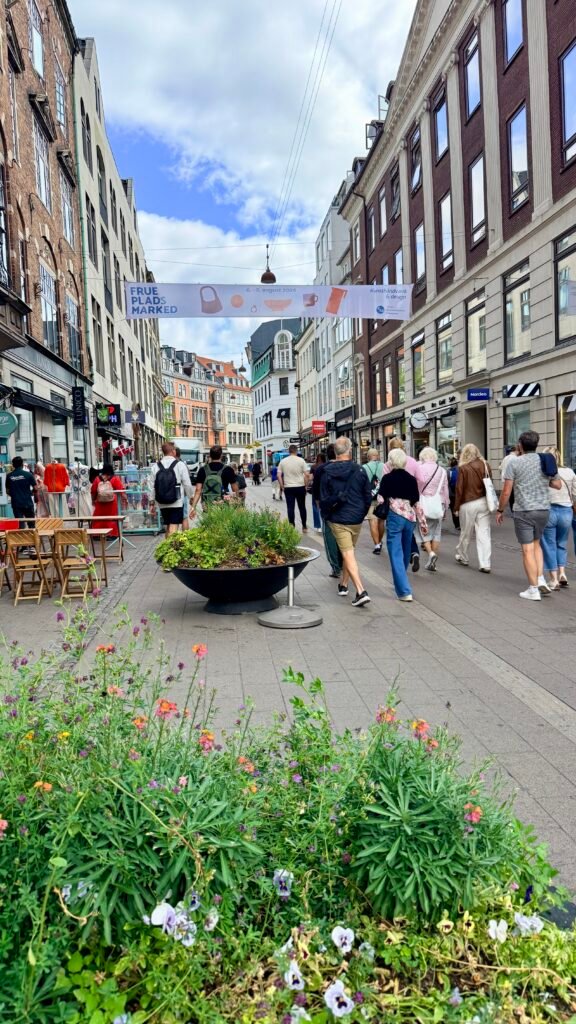
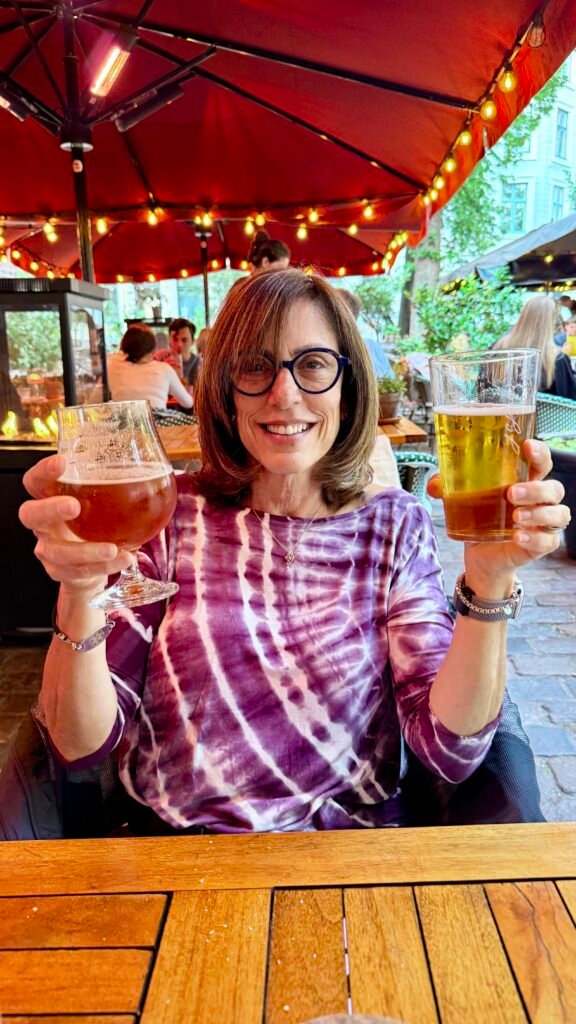
Great walking city. I visited 40 years ago and then again in 2026. The city is clean, very walkable and we loved it.
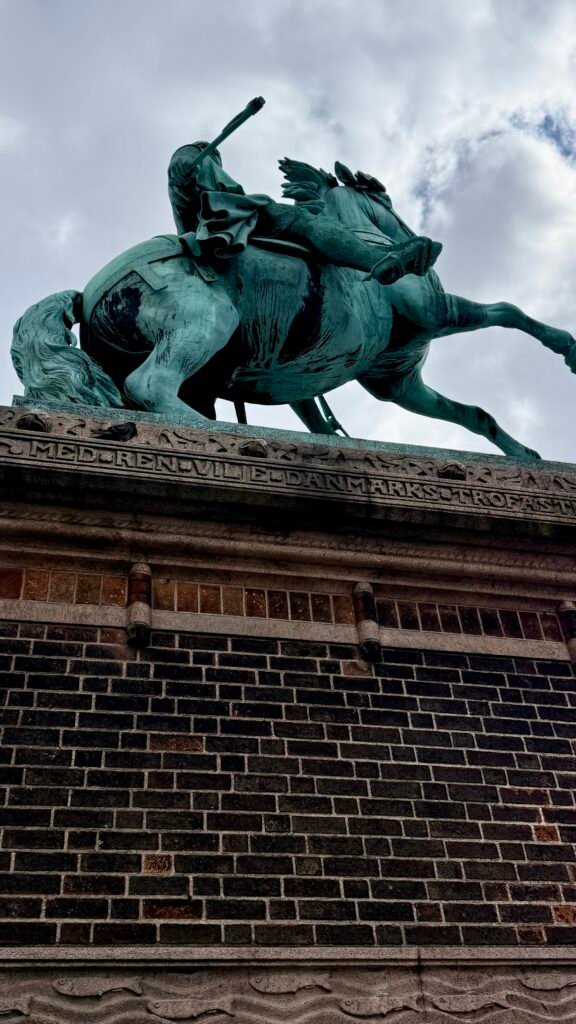
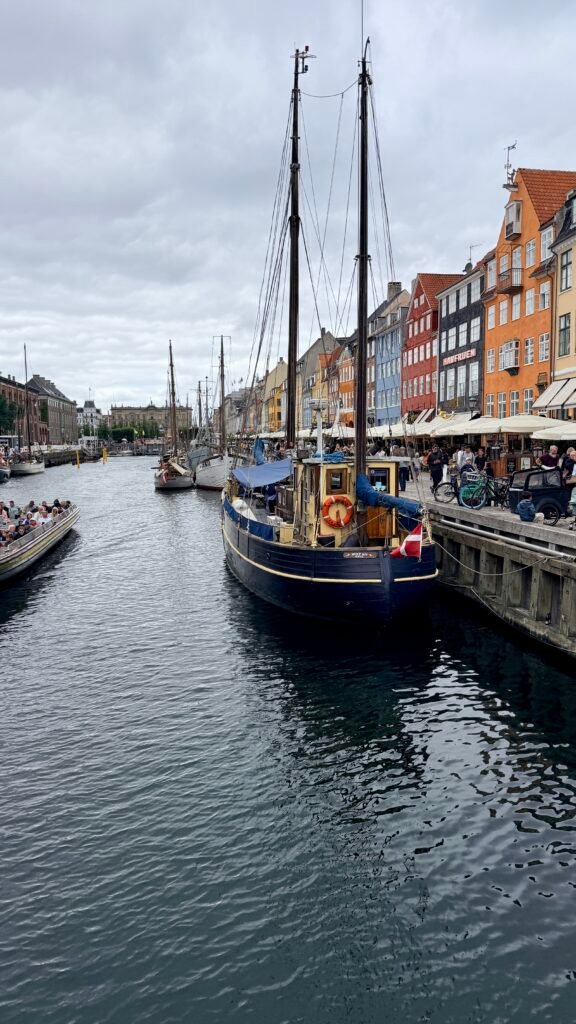
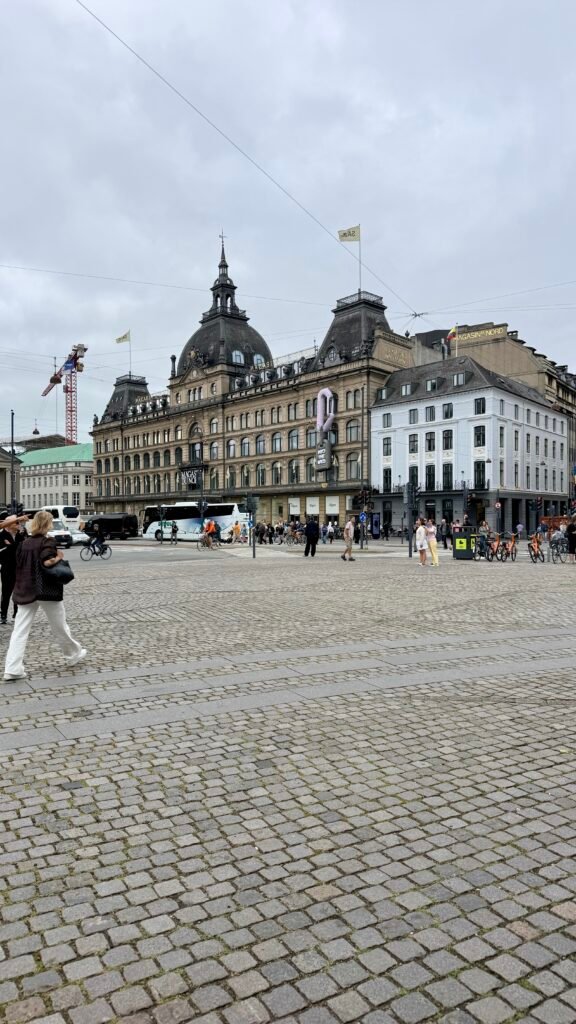
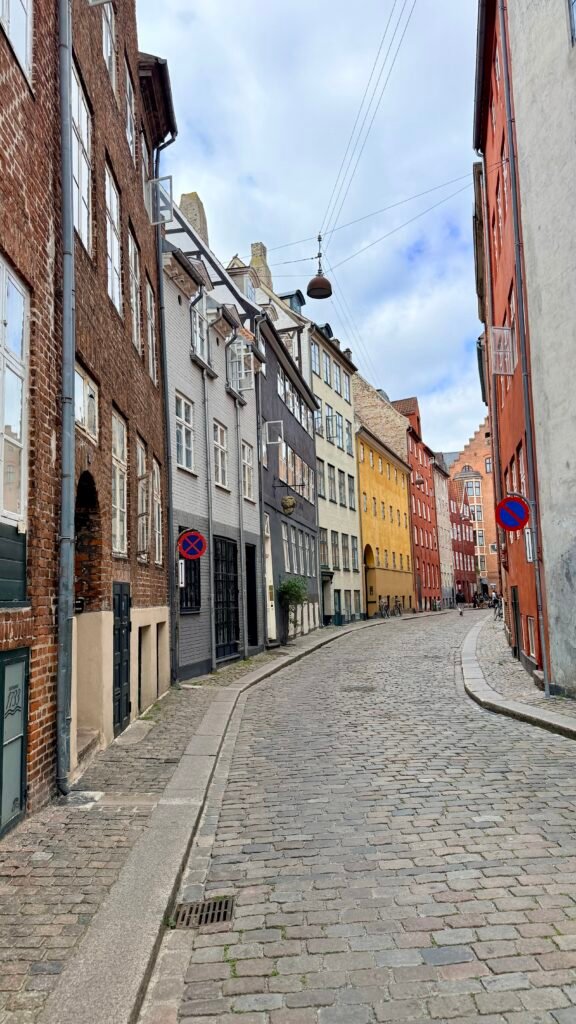
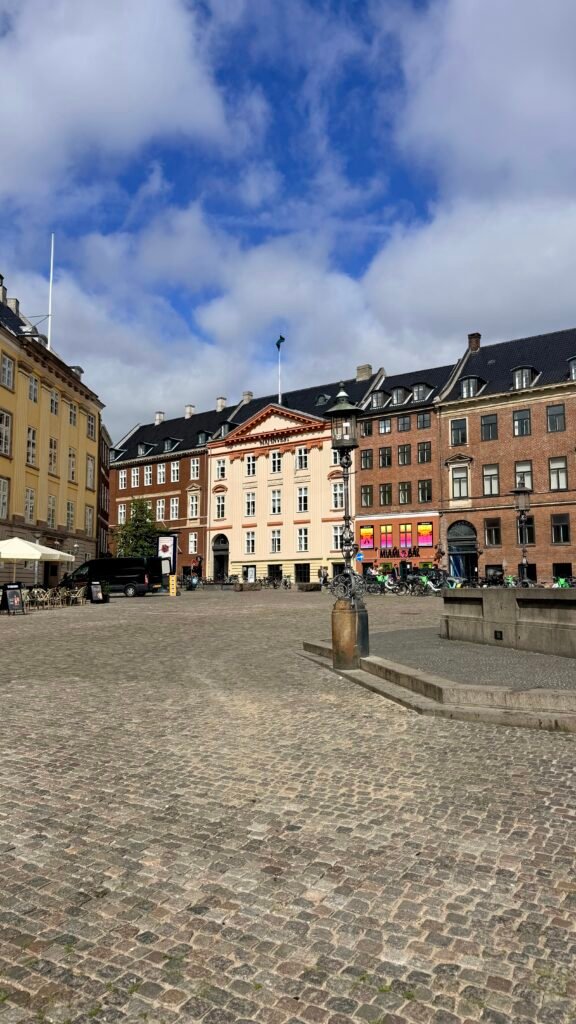
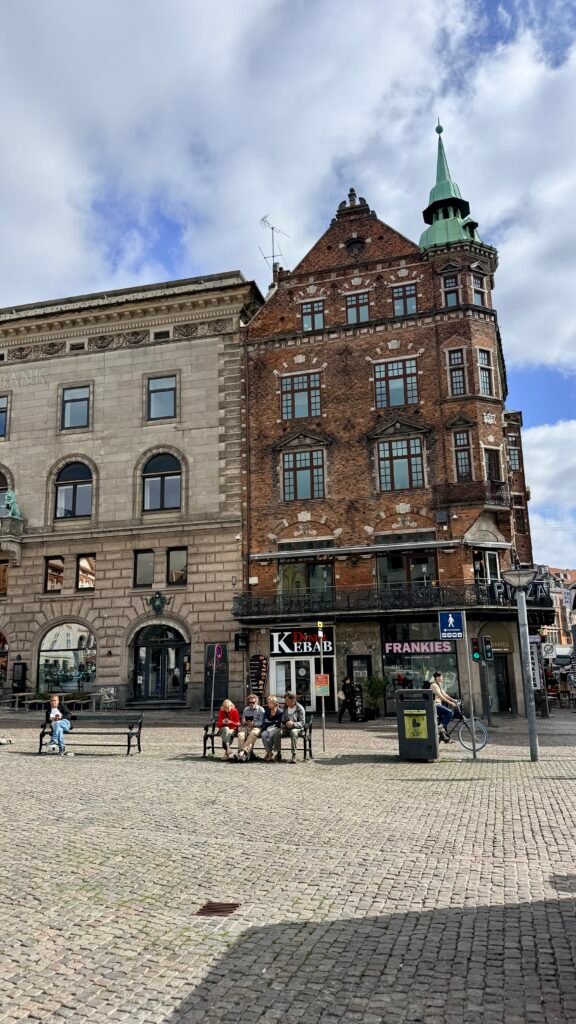
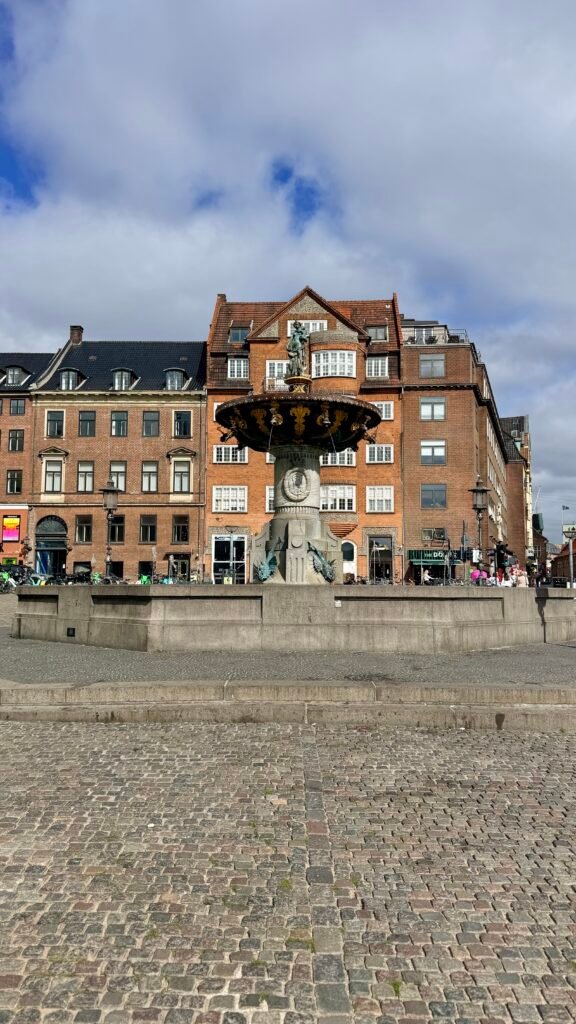
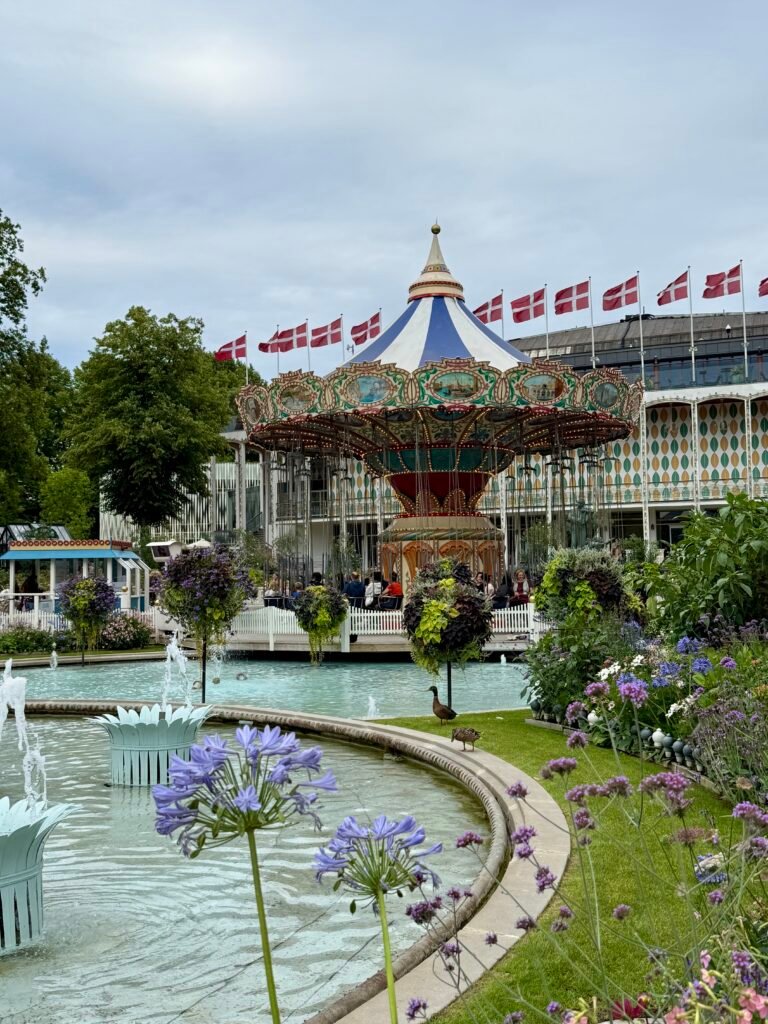
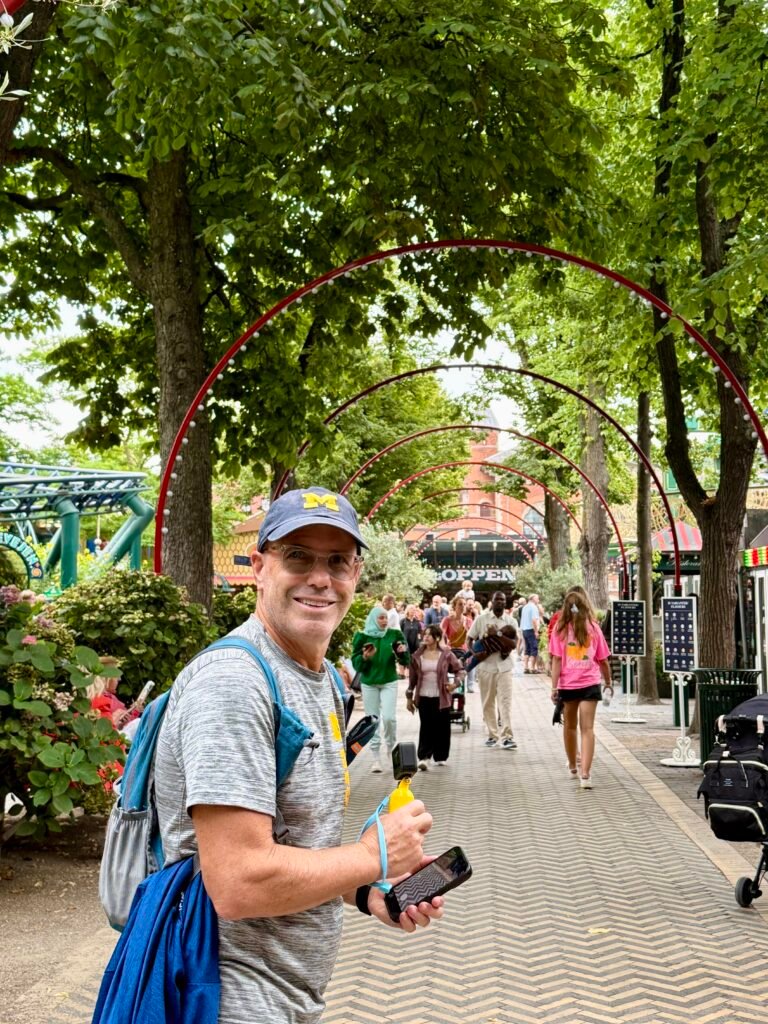
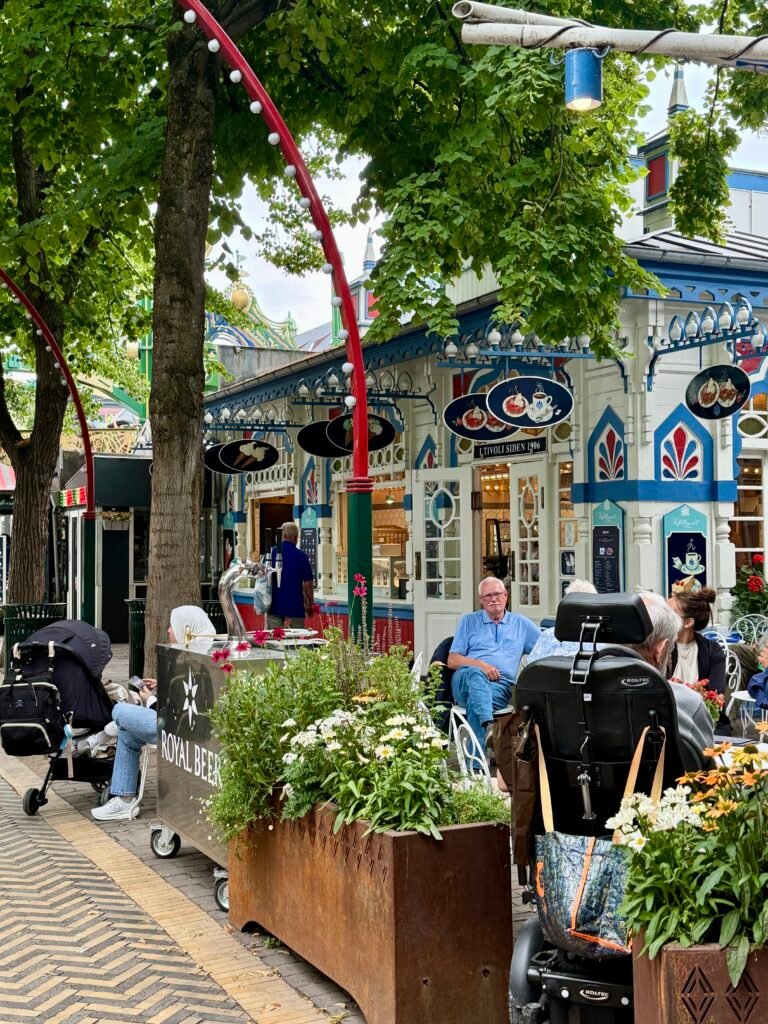
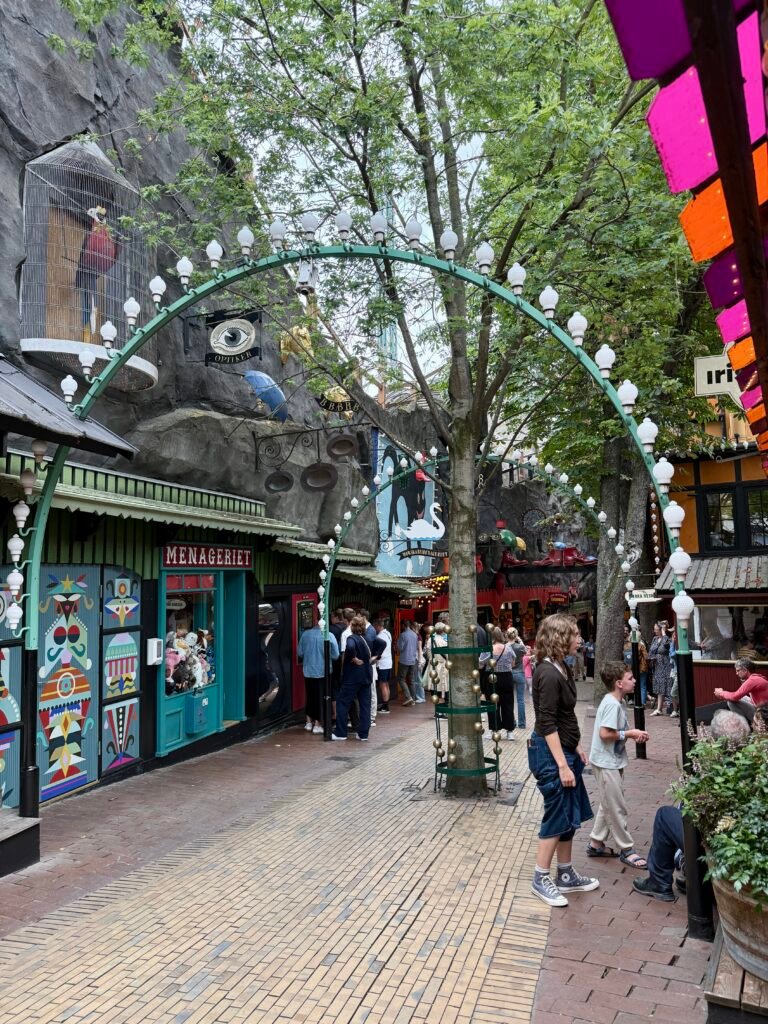
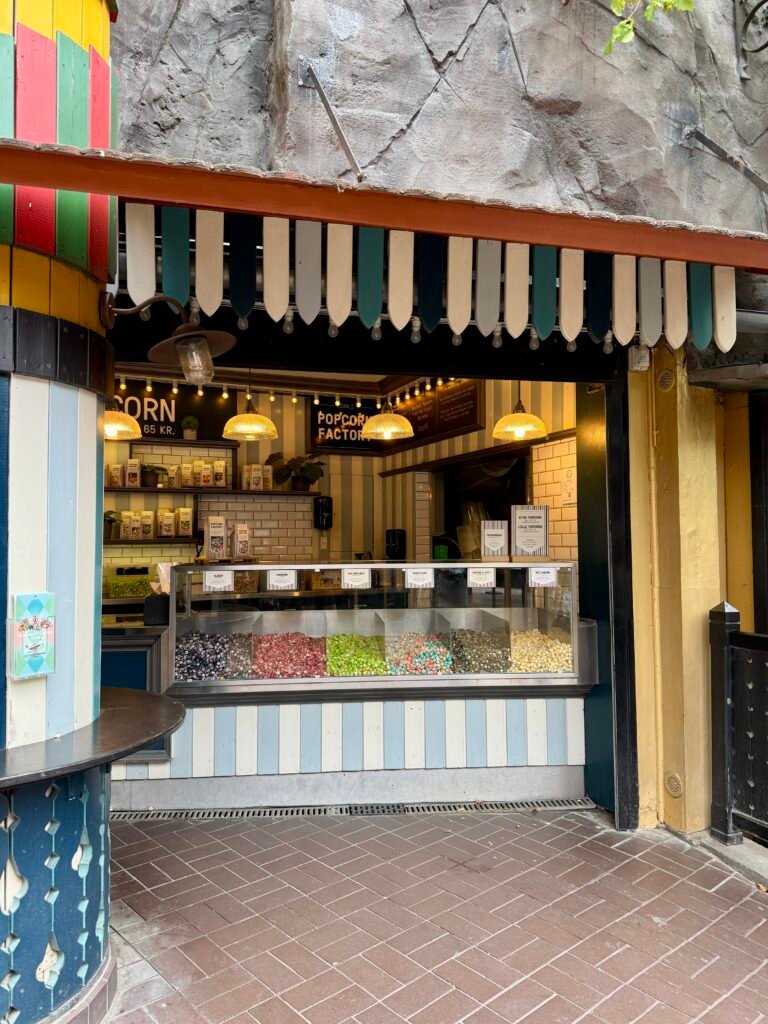
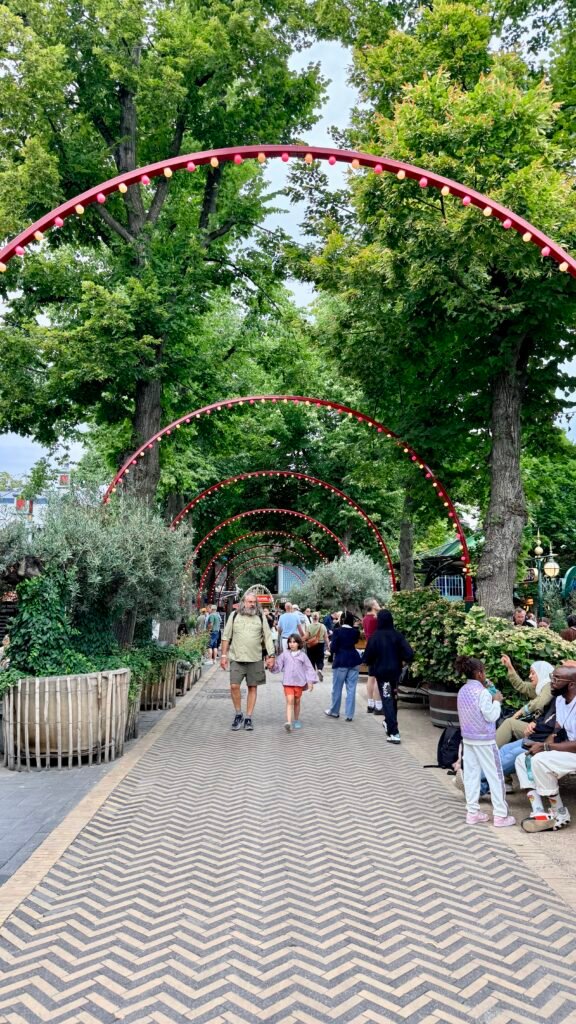
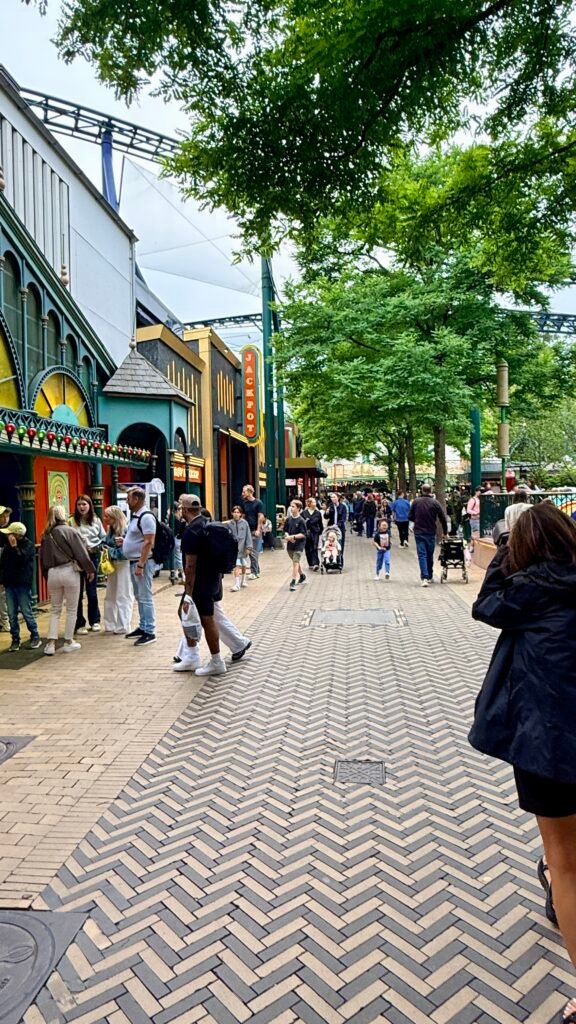
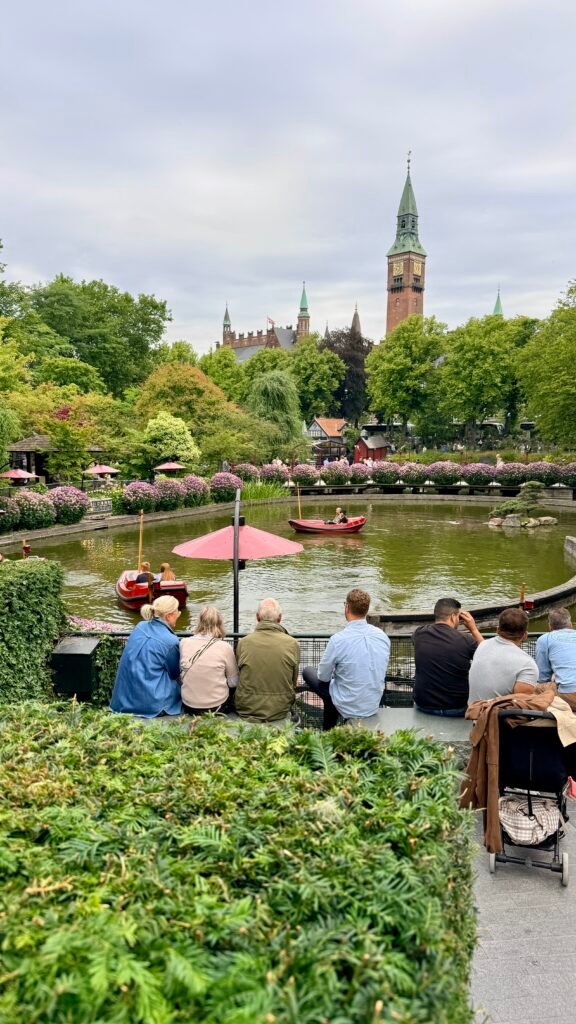
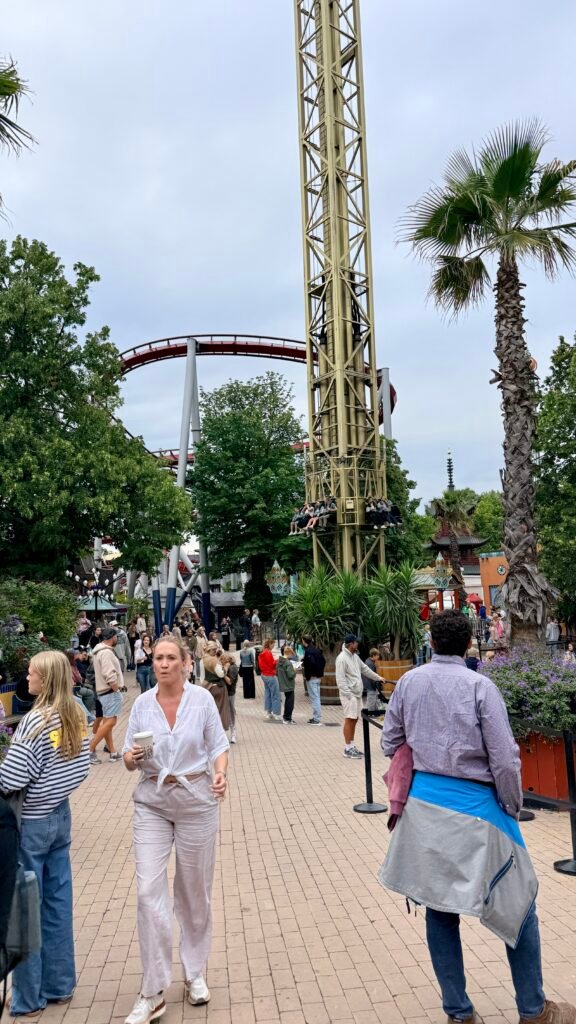
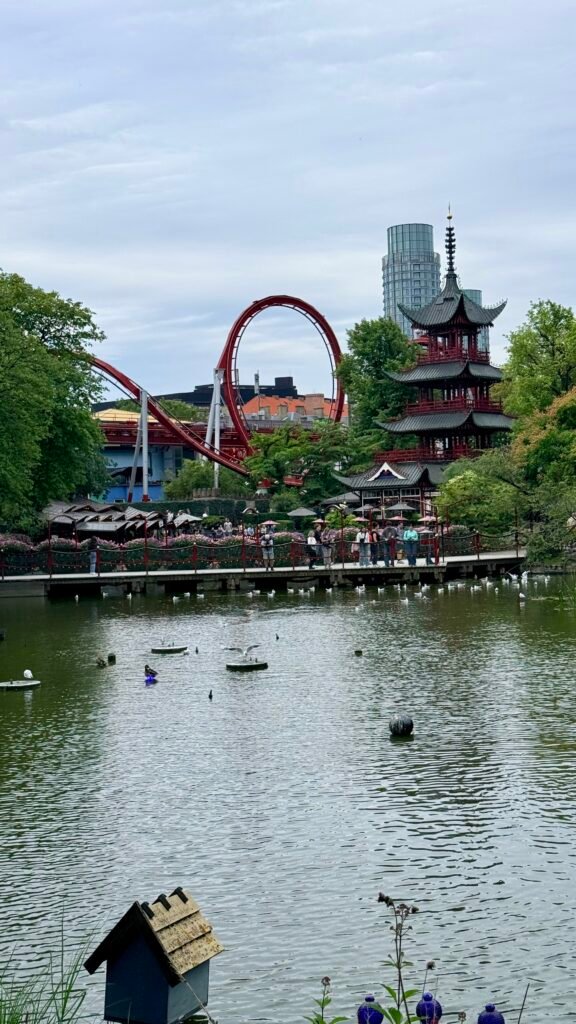
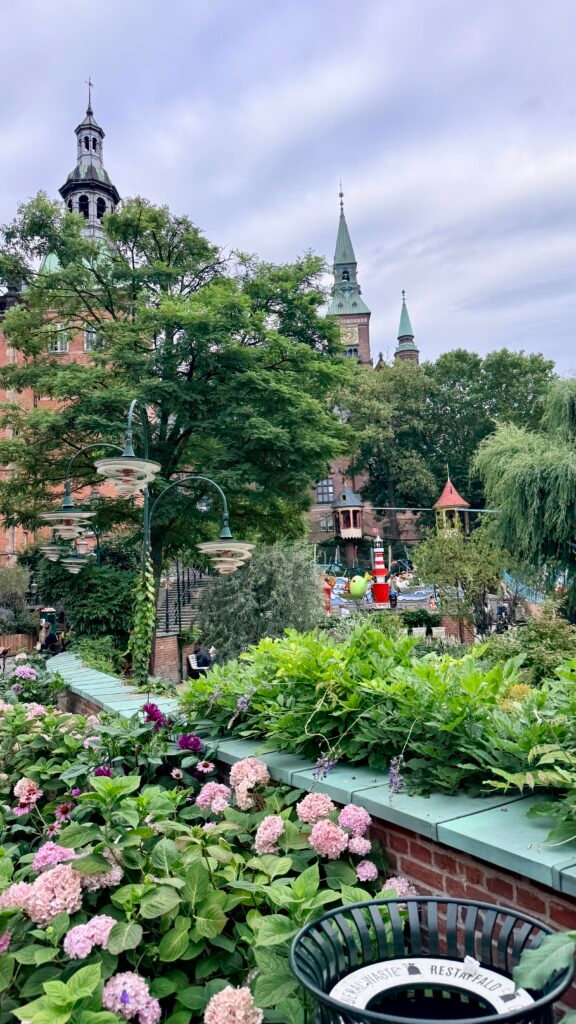
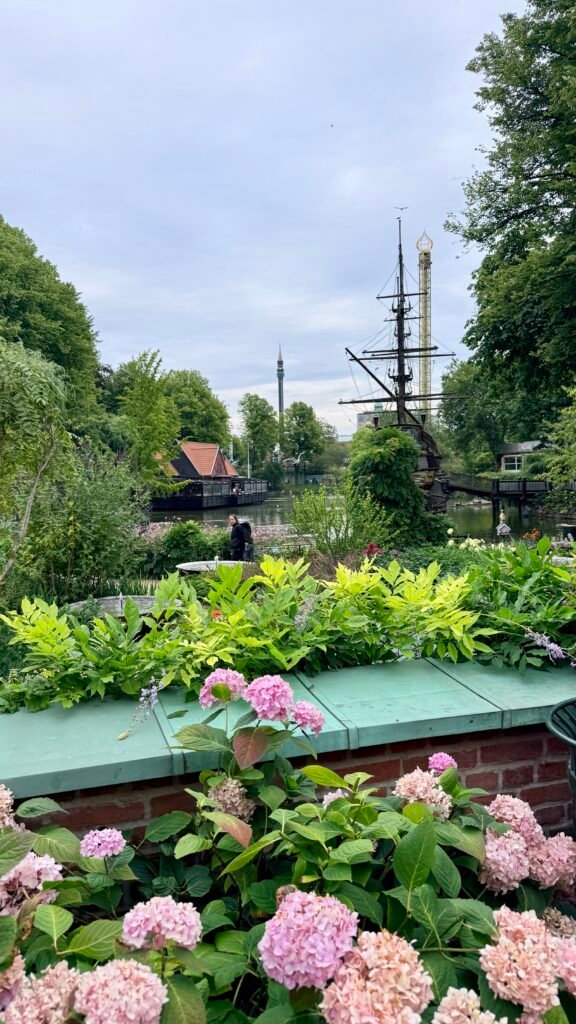
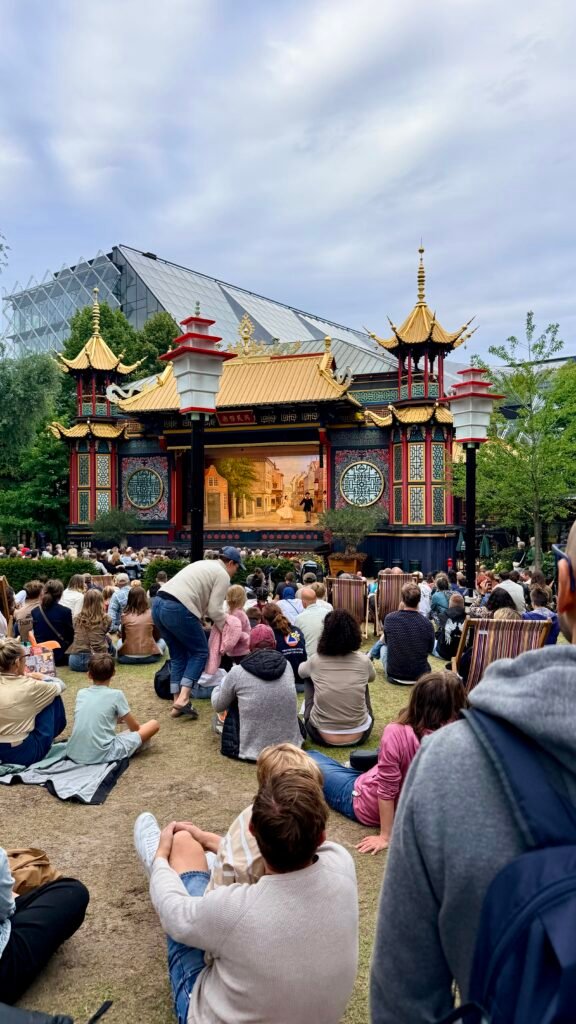
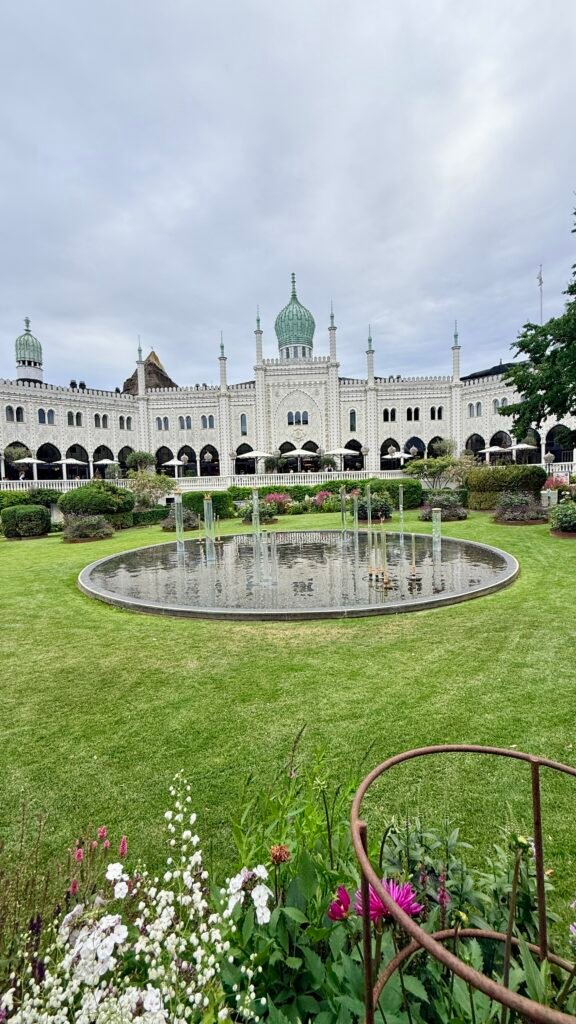
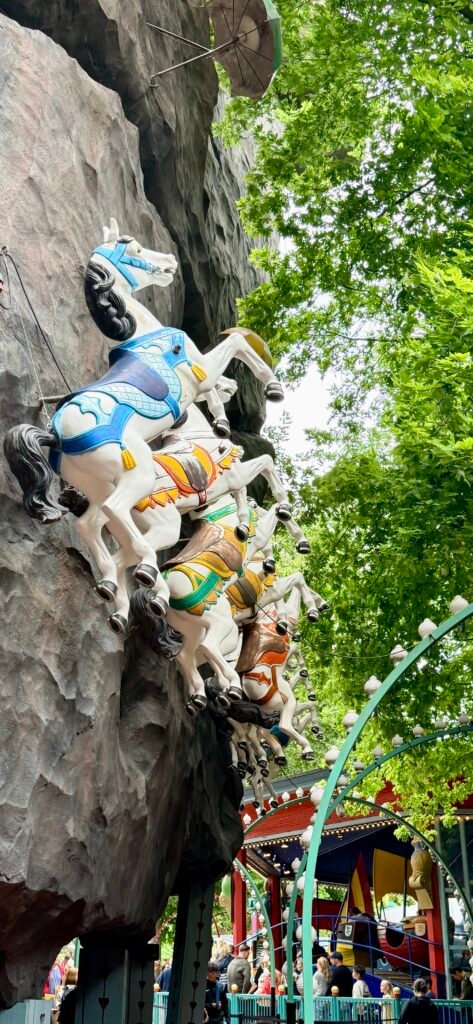
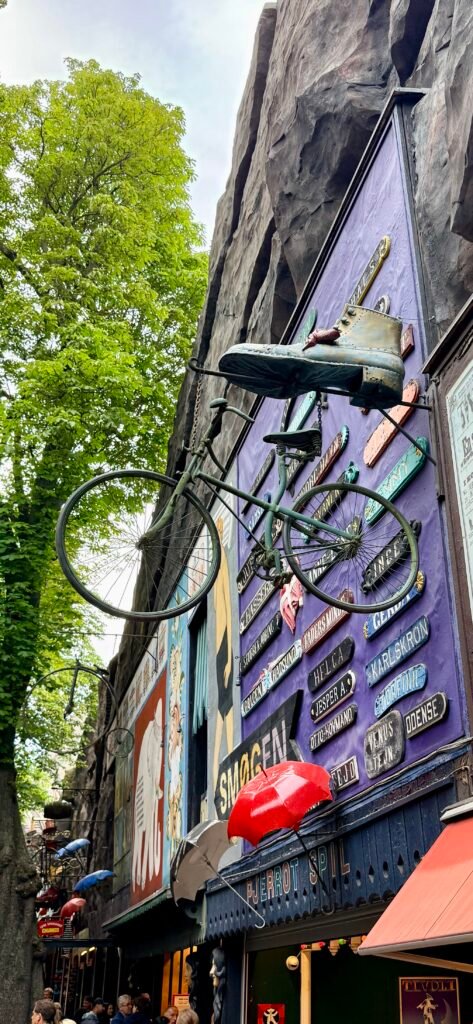
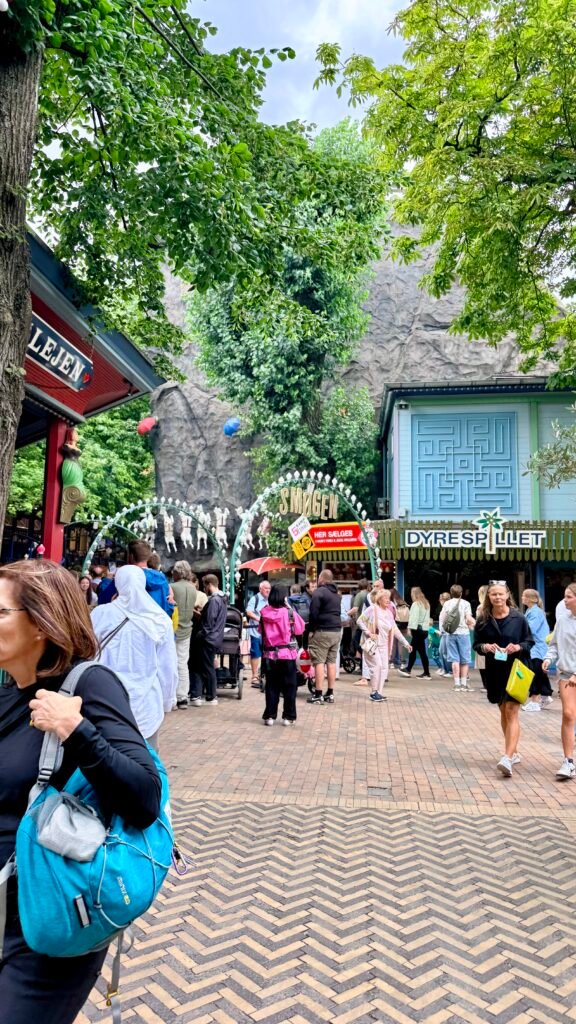
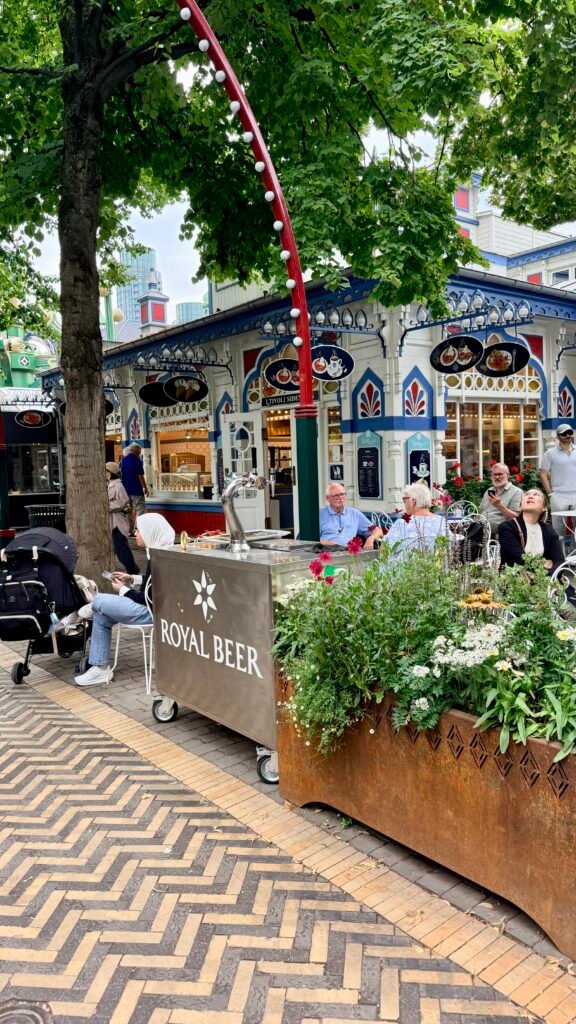
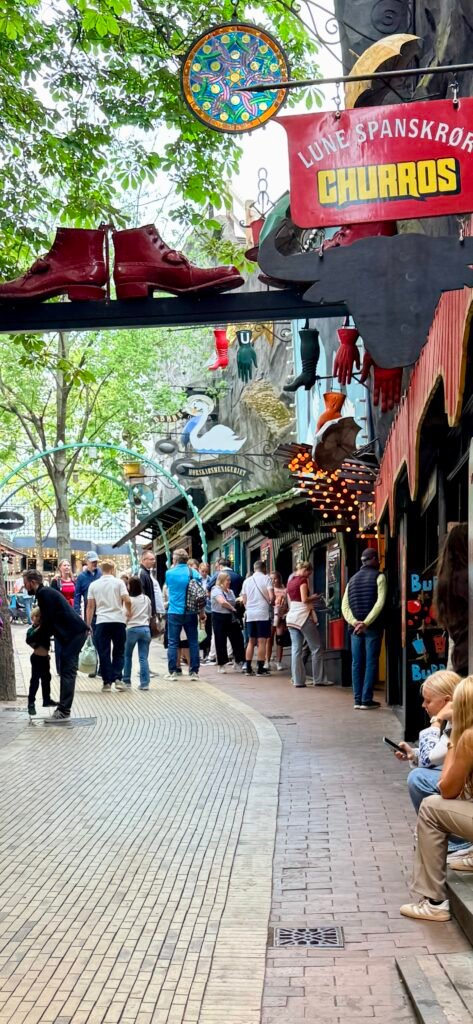
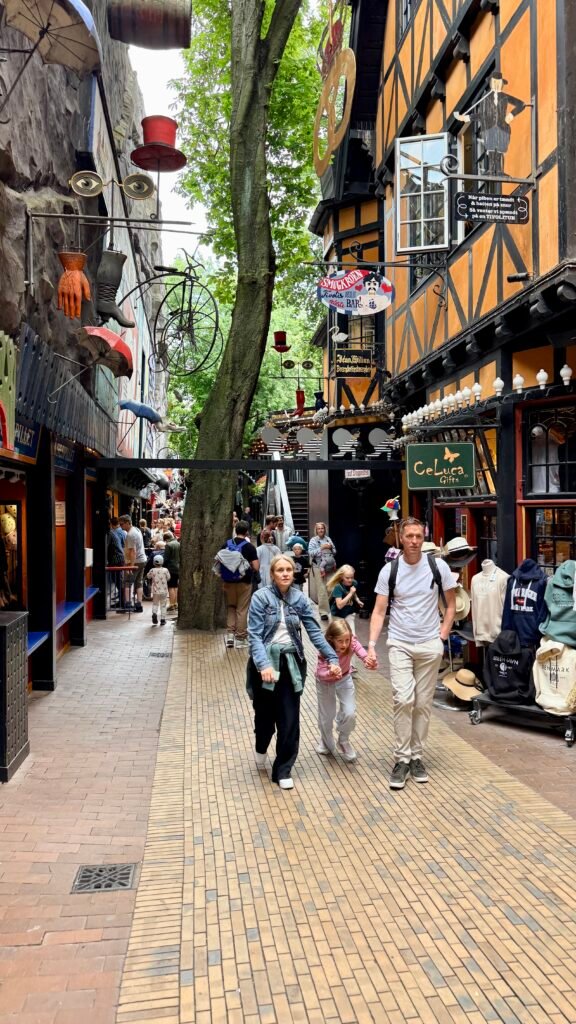
Tivoli Gardens is one of the world’s oldest amusement parks, opened in 1843. Located right in central Copenhagen, next to the main train station. More than just rides—it has gardens, restaurants, concerts, fountains, and beautifully decorated buildings. The park is particularly attractive in the evening when the lights come on. It has rides ranging from gentle attractions to bigger roller coasters, including the historic Rutschebanen wooden coaster.
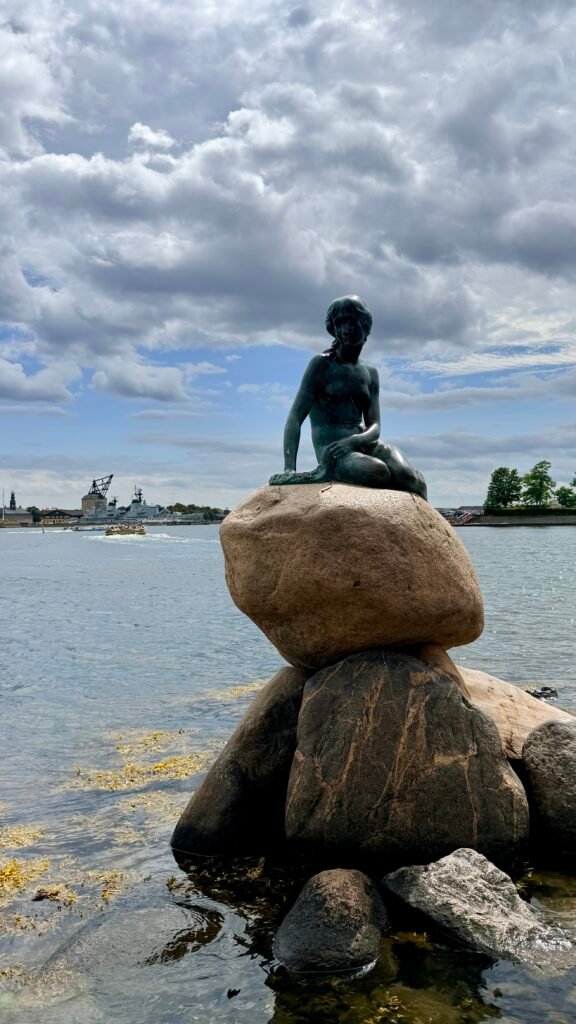
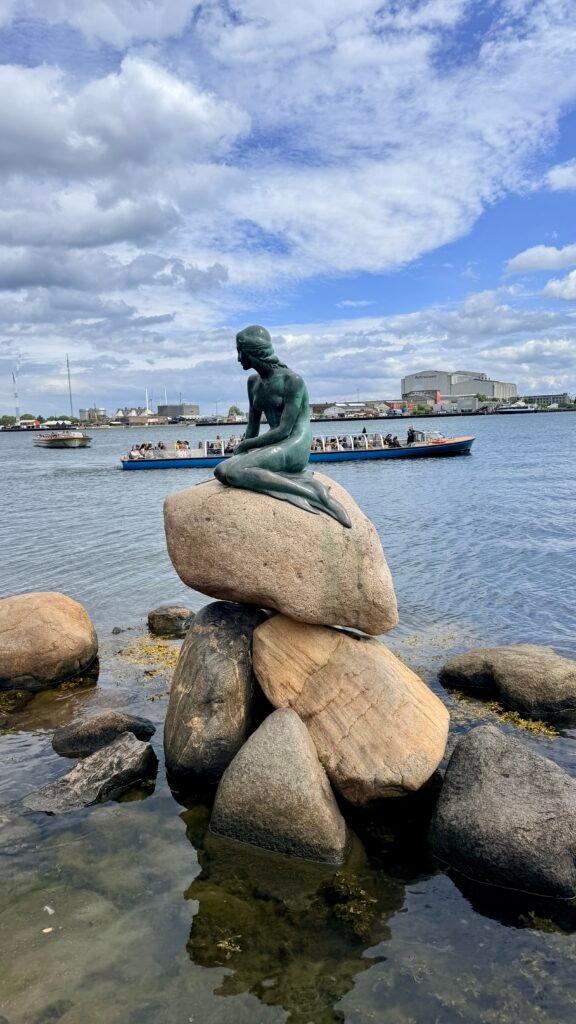
The Little Mermaid is one of Copenhagen’s most famous landmarks, inspired by Hans Christian Andersen’s fairy tale. The bronze statue was created by sculptor Edvard Eriksen and unveiled in 1913. It sits on a rock along the waterfront at Langelinie, overlooking Copenhagen Harbor. The statue is relatively small—only about 1.25 meters (4 feet) tall, so don’t expect a huge monument. Voted one of the most overrated things to see in Europe, but I say if you have time, try to see it.
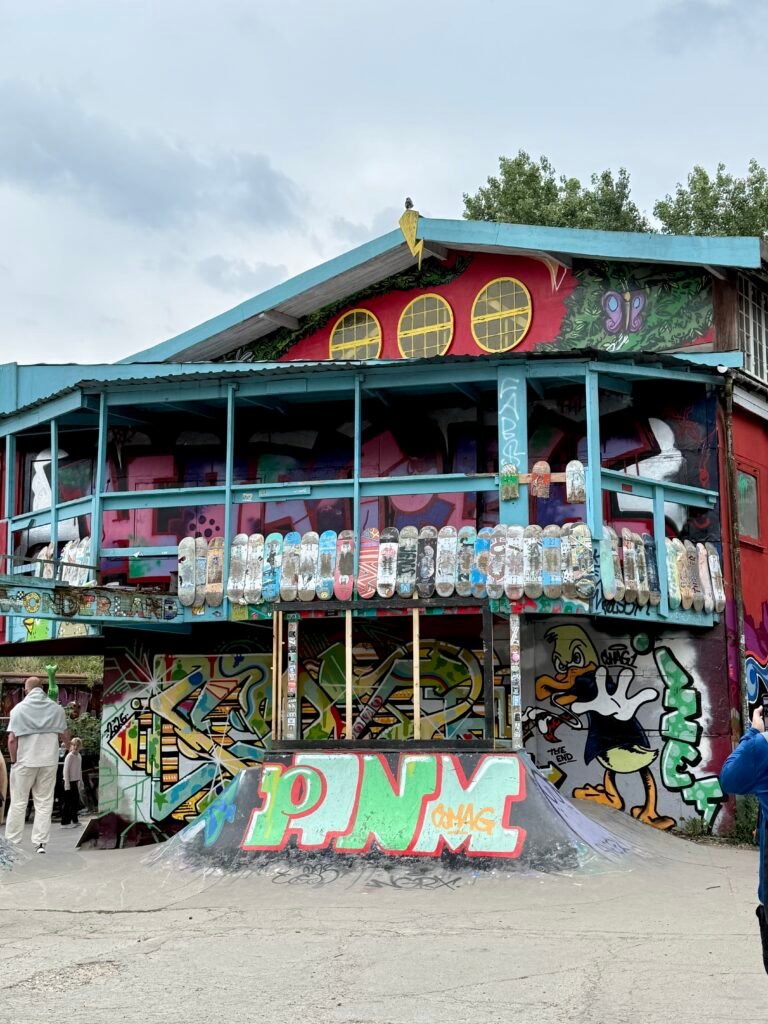
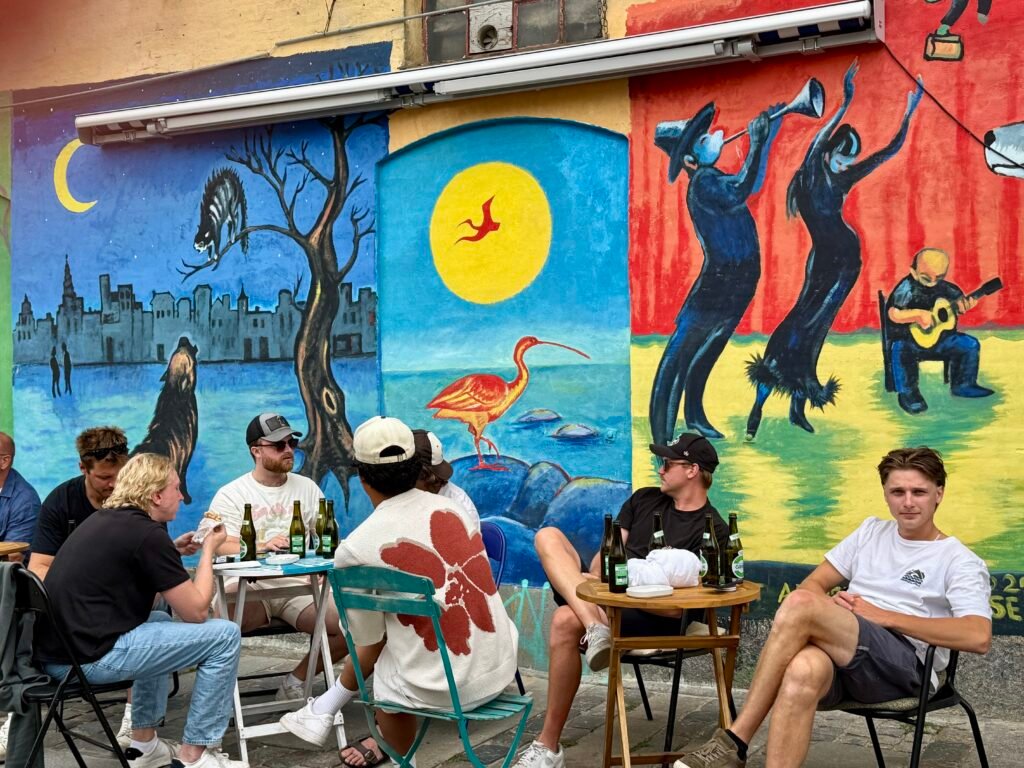
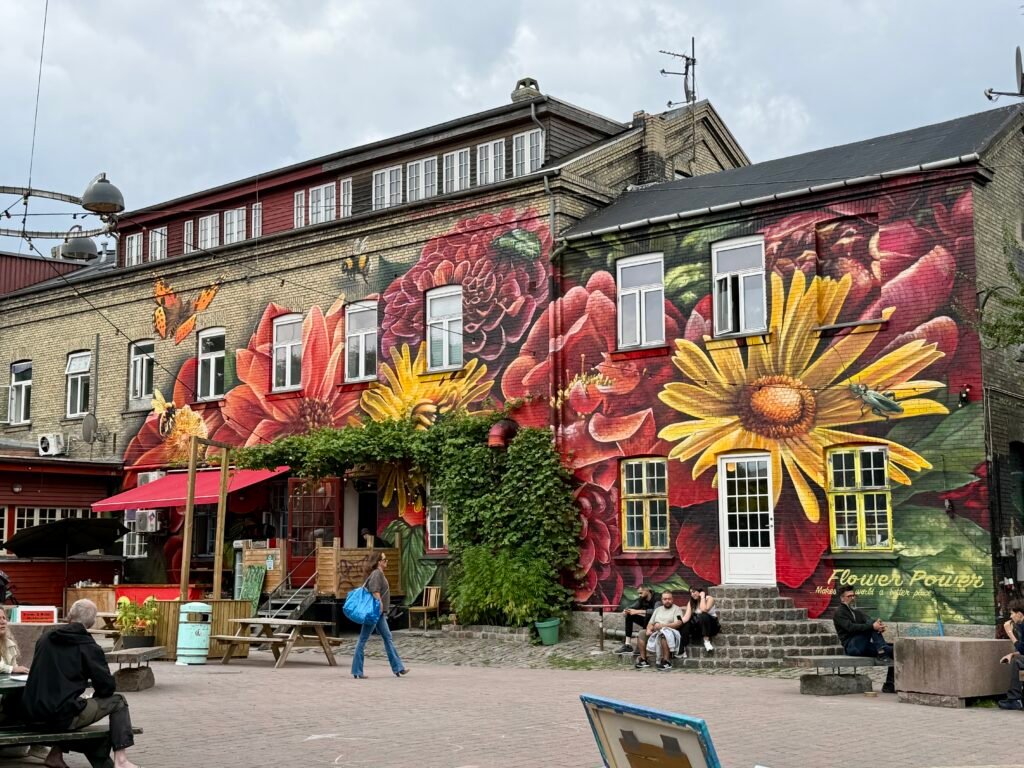
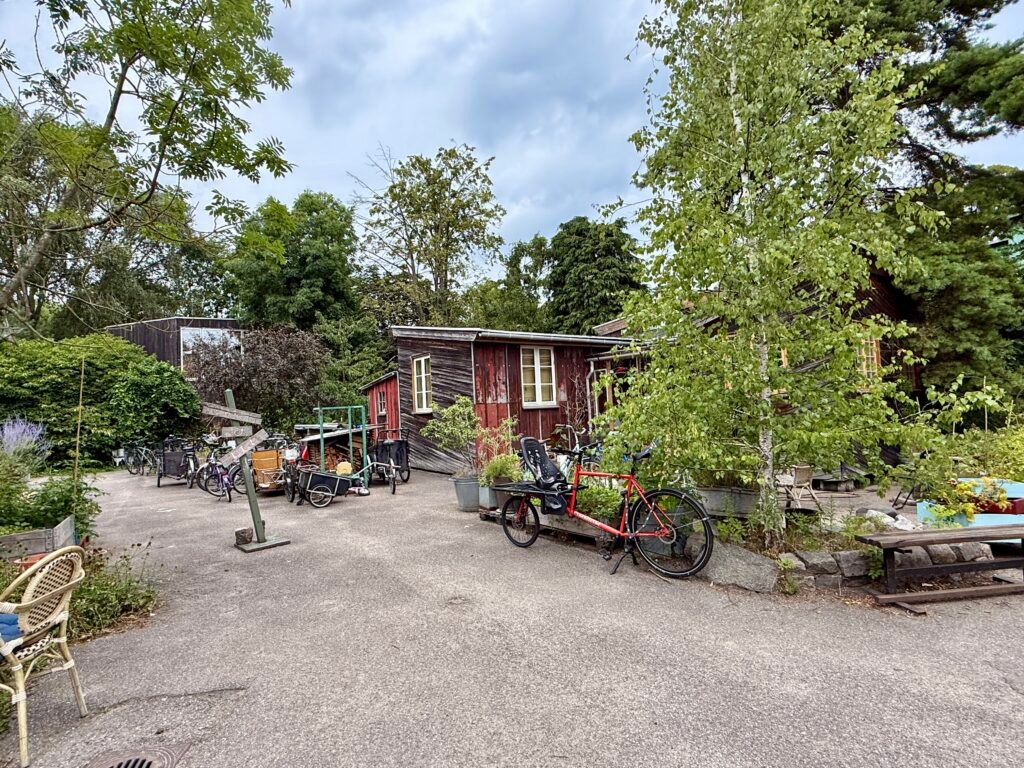
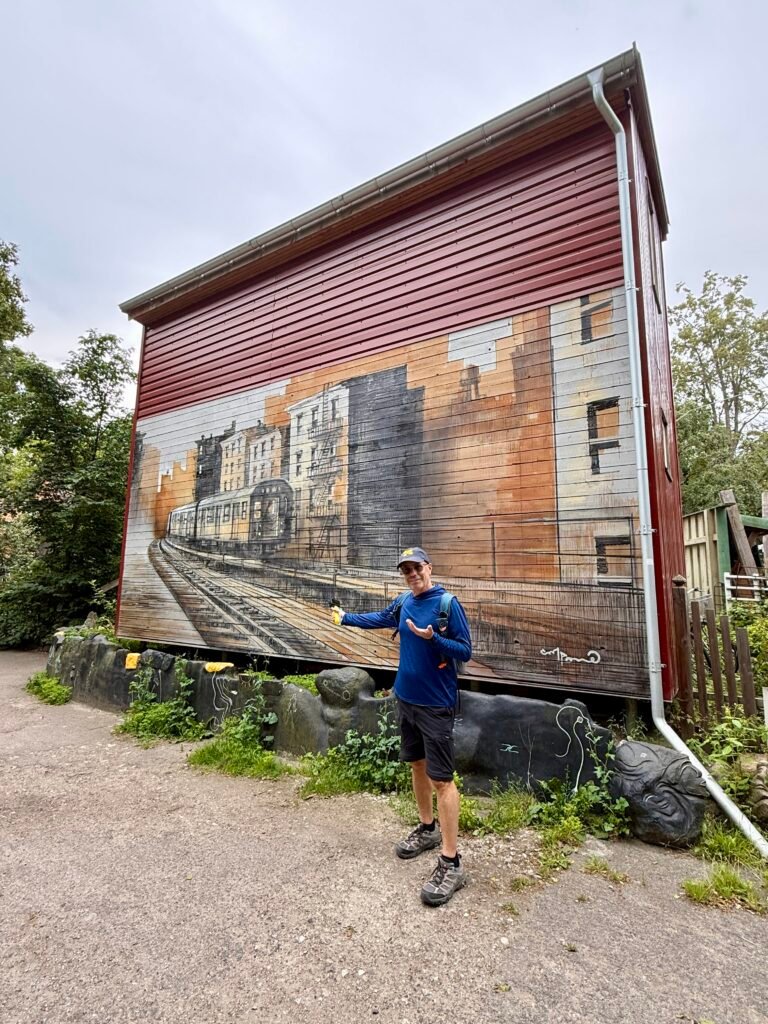
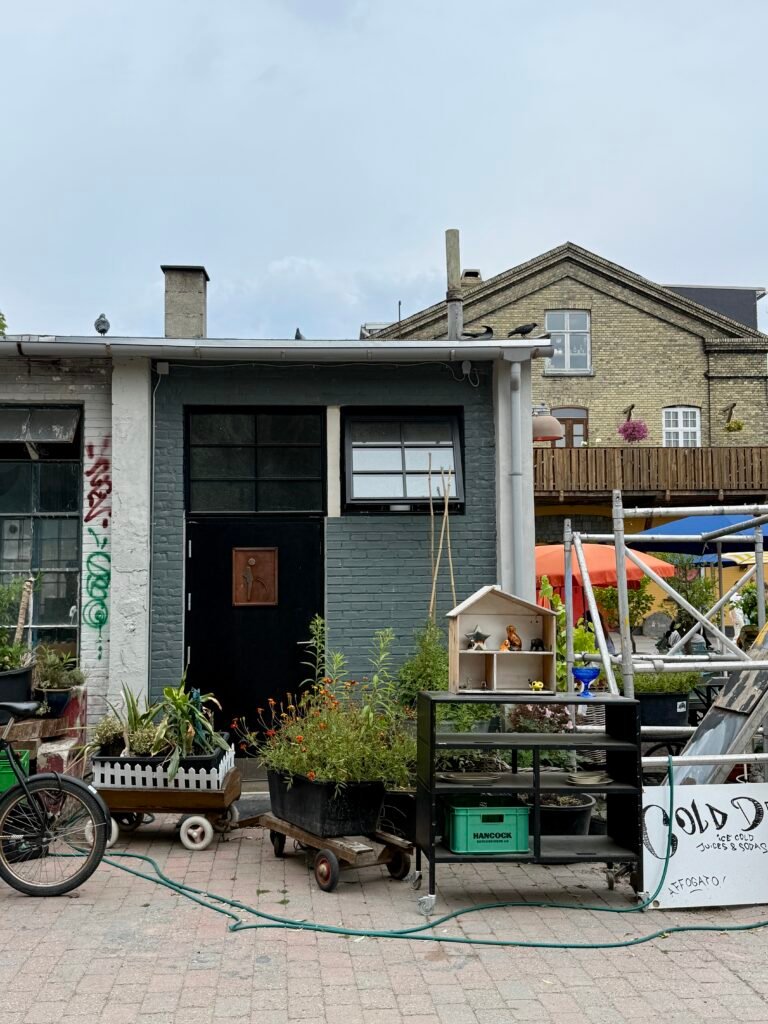
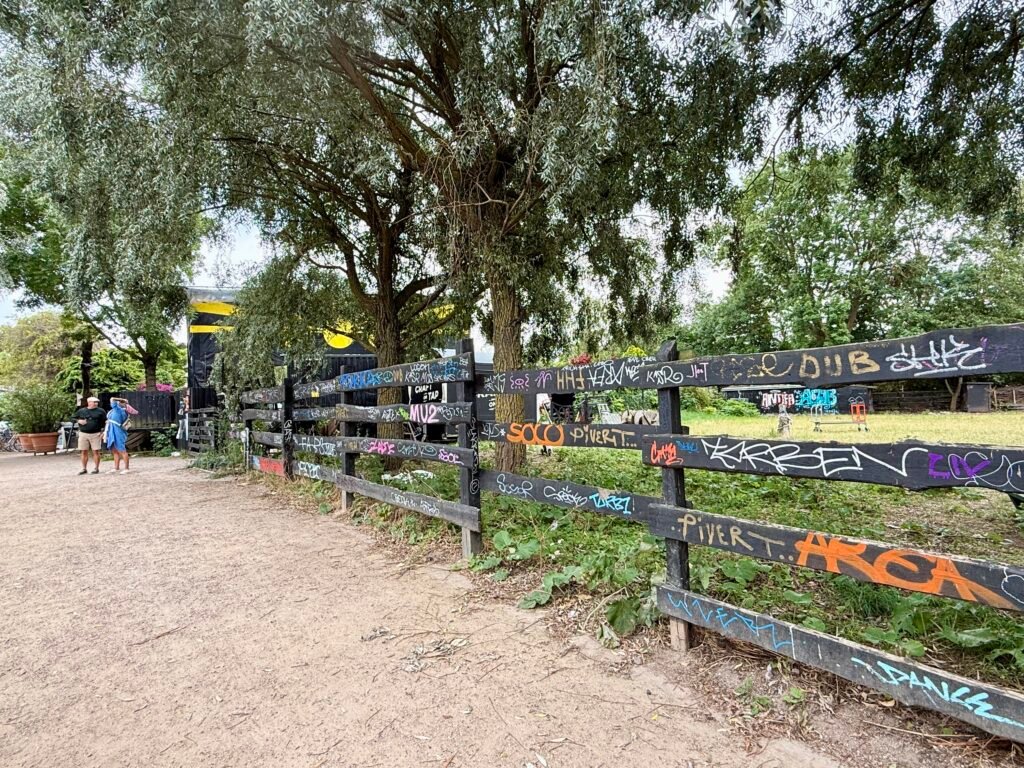
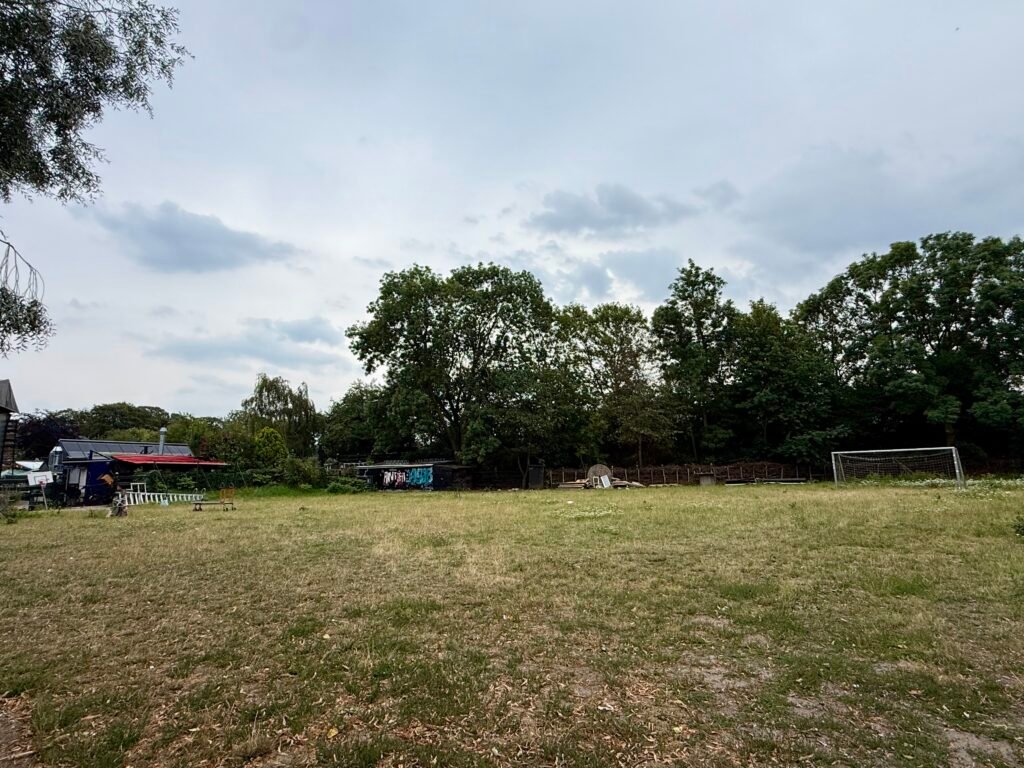
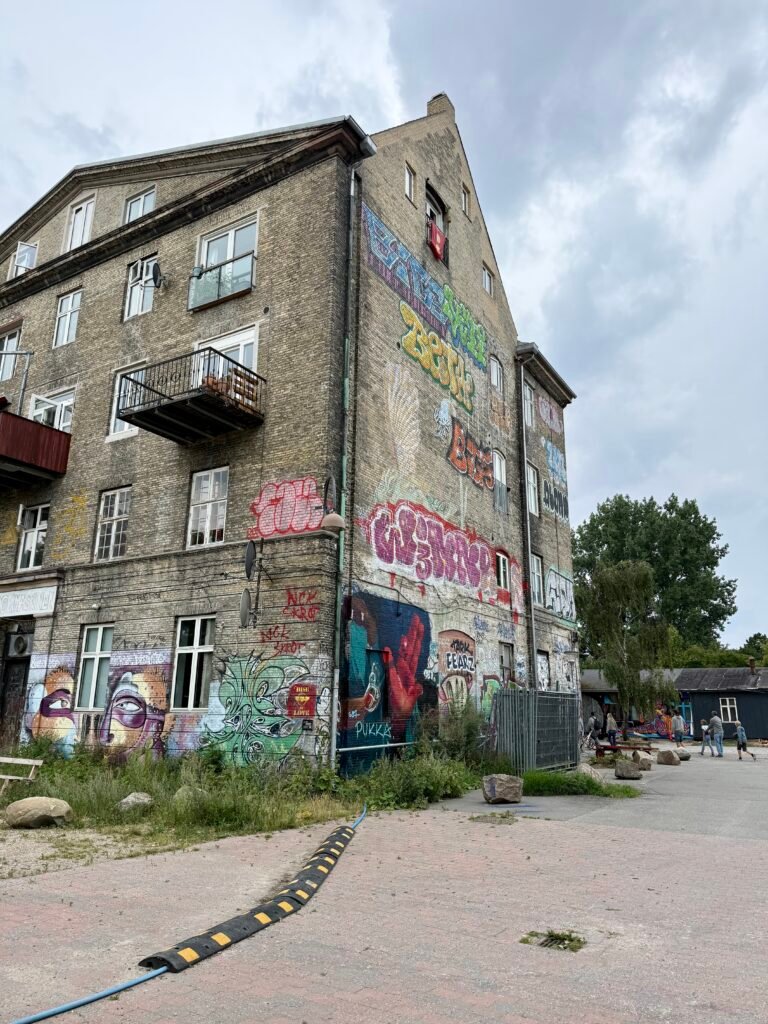
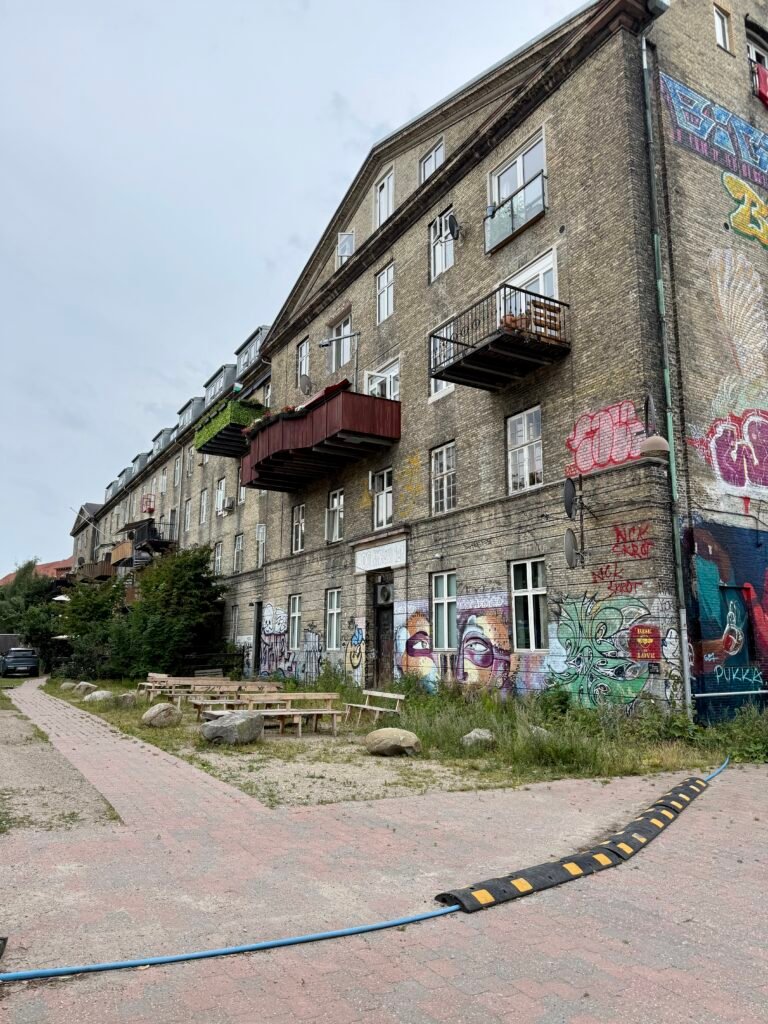
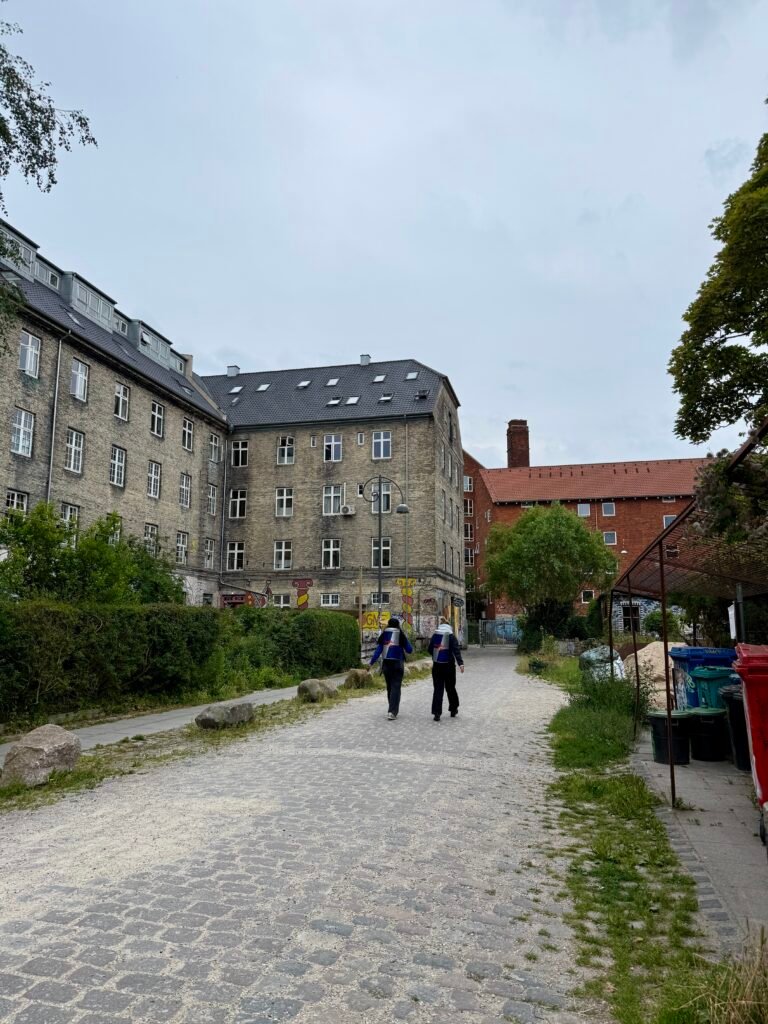
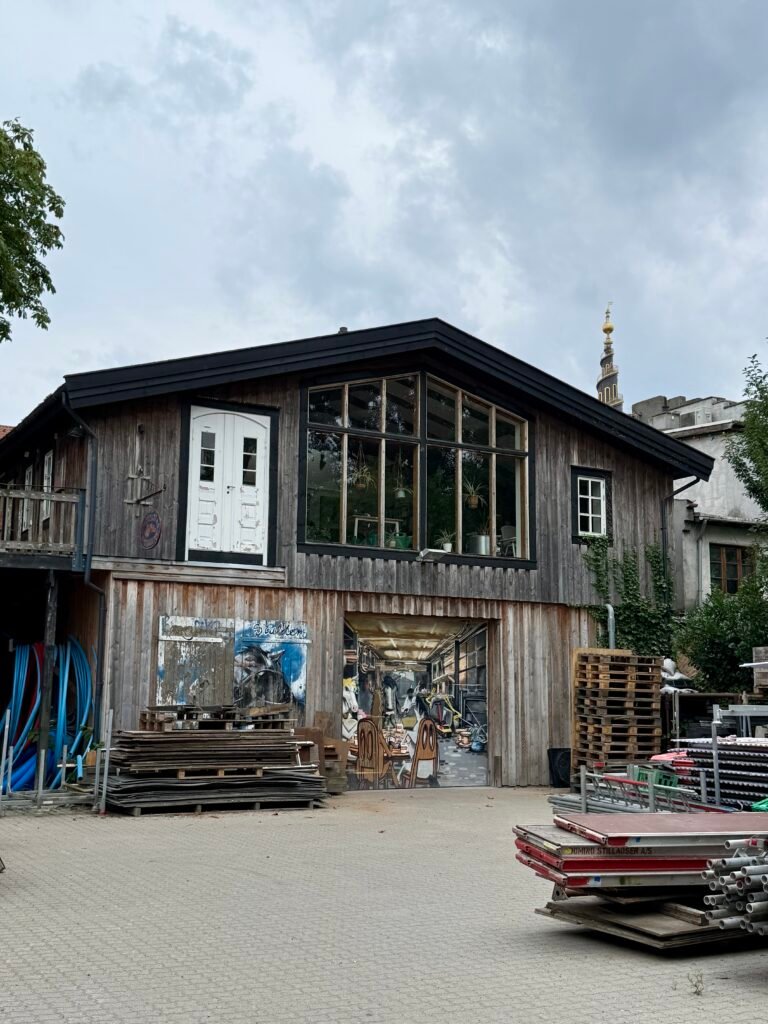
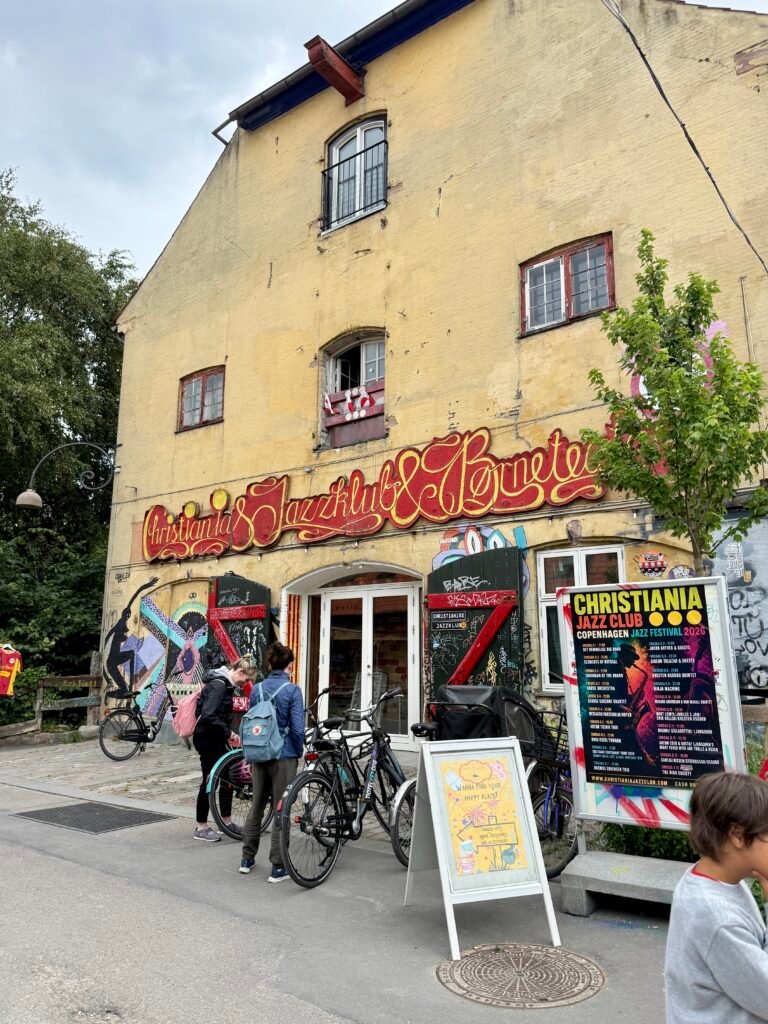
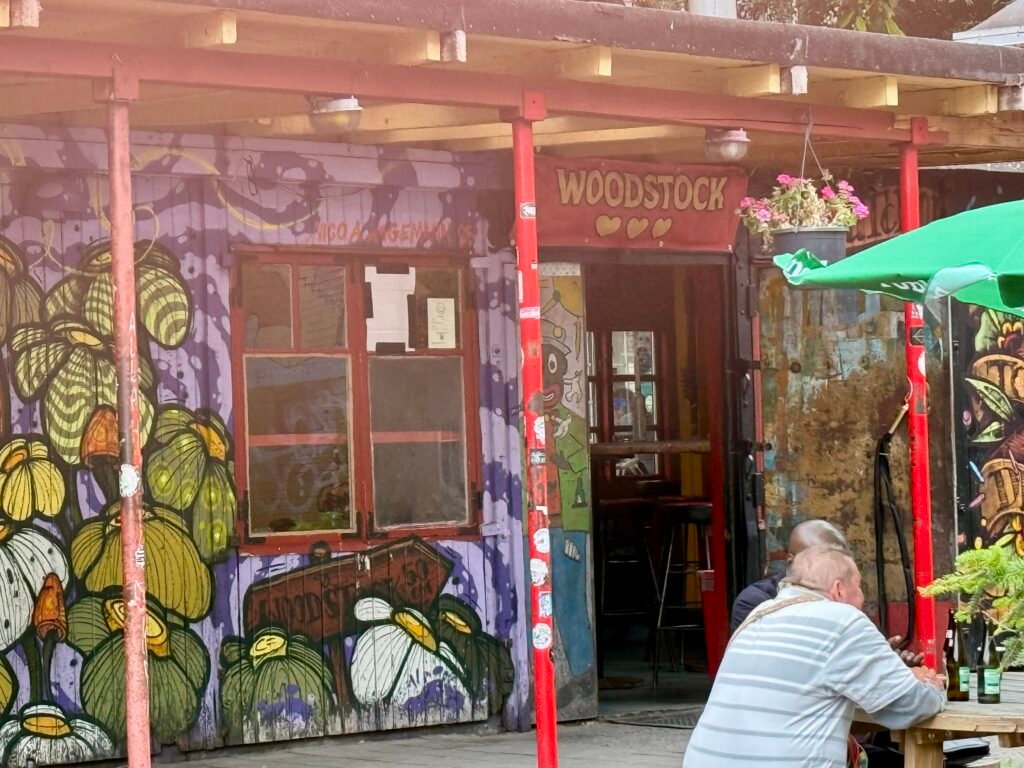
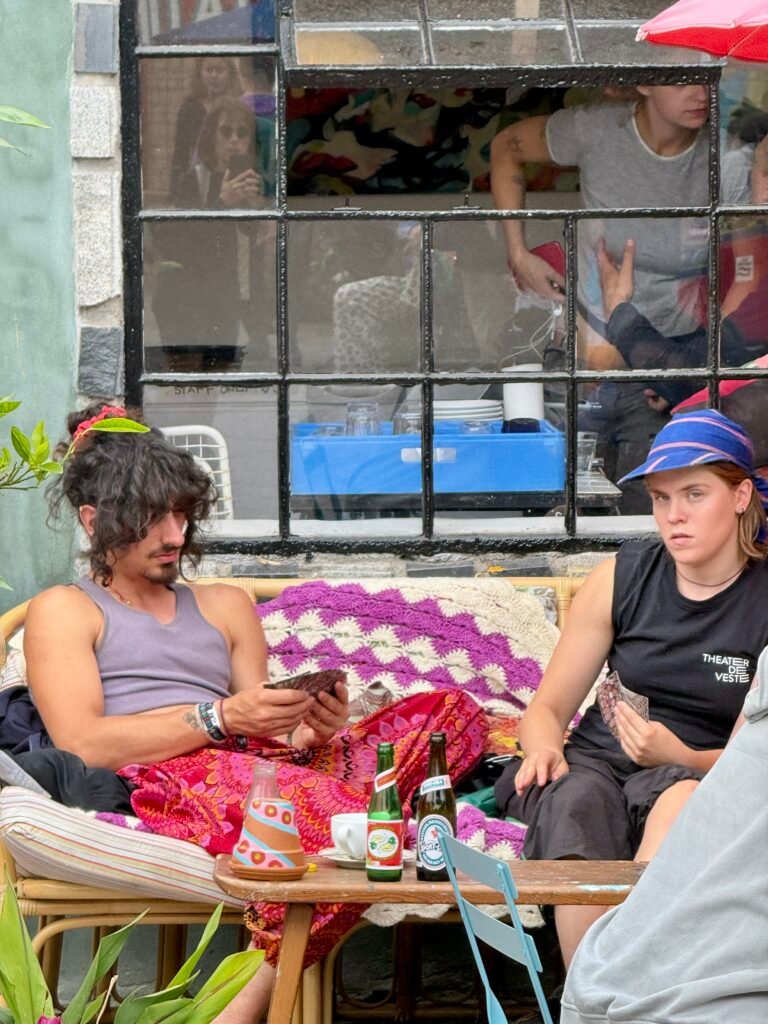
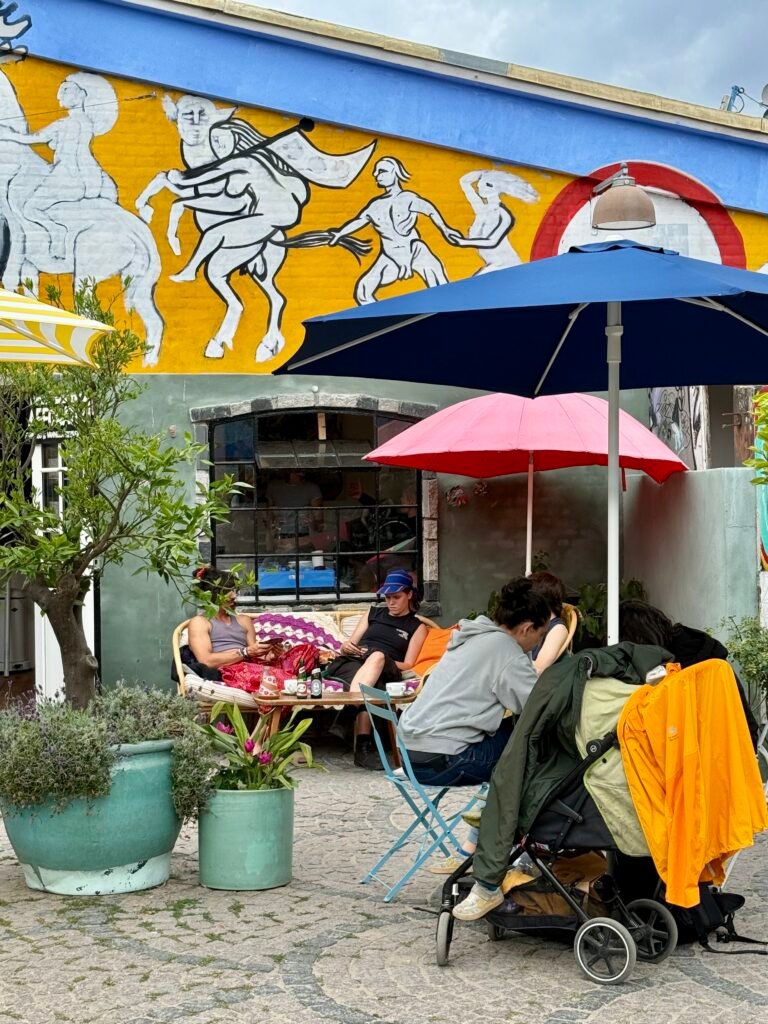
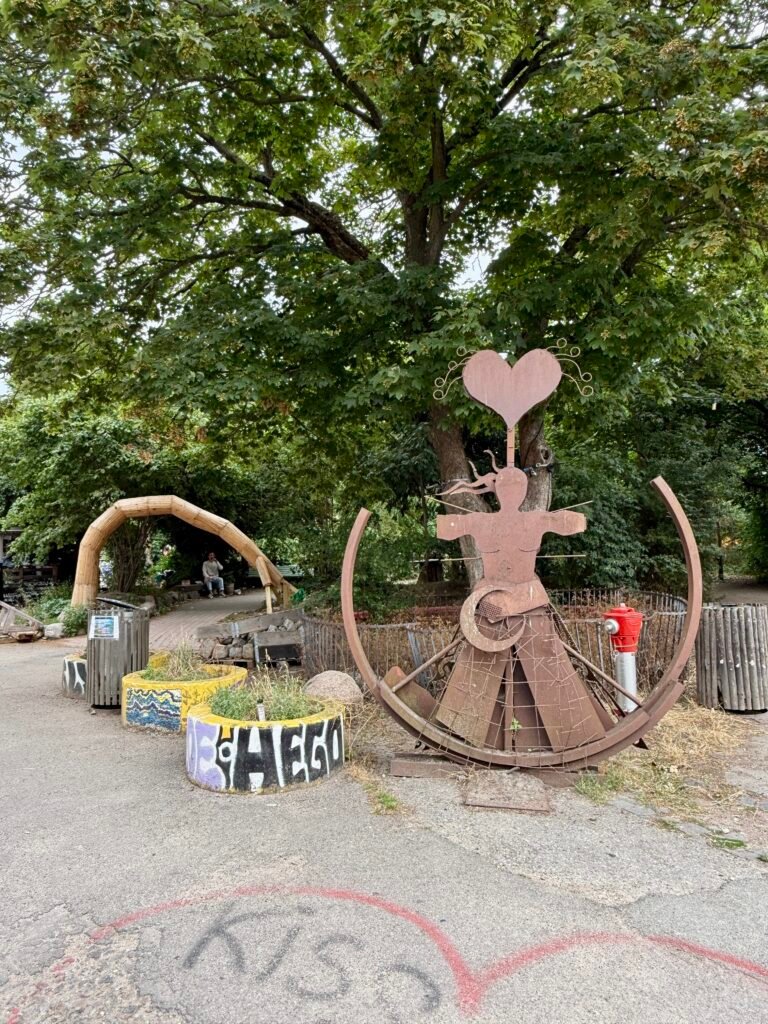
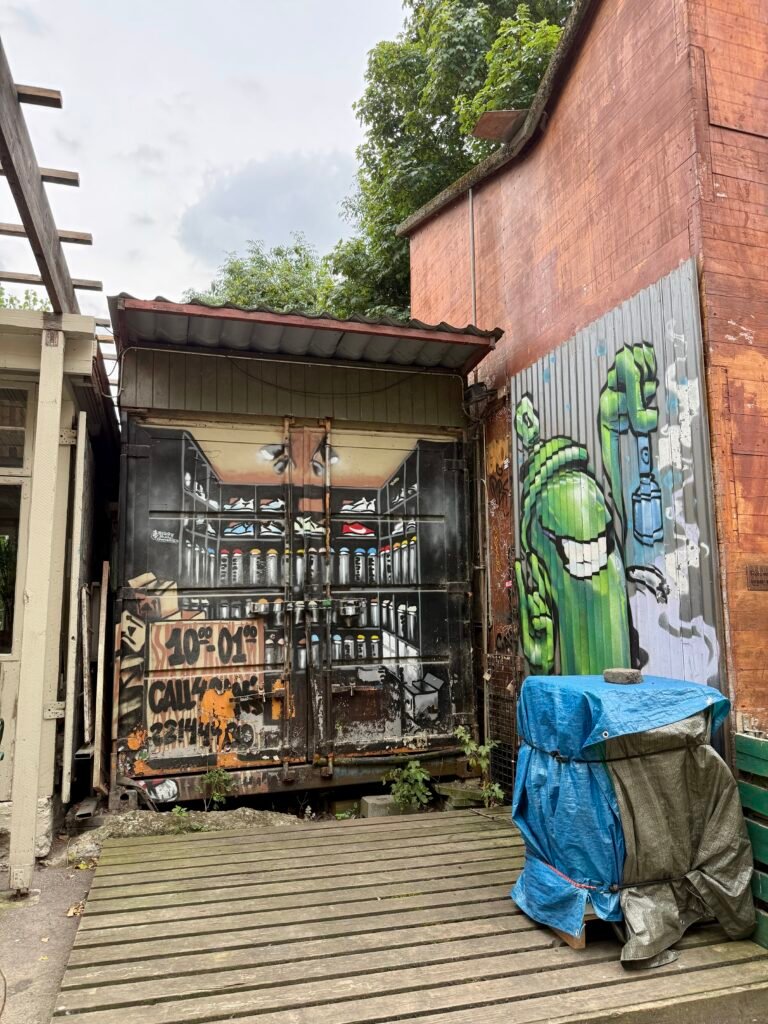
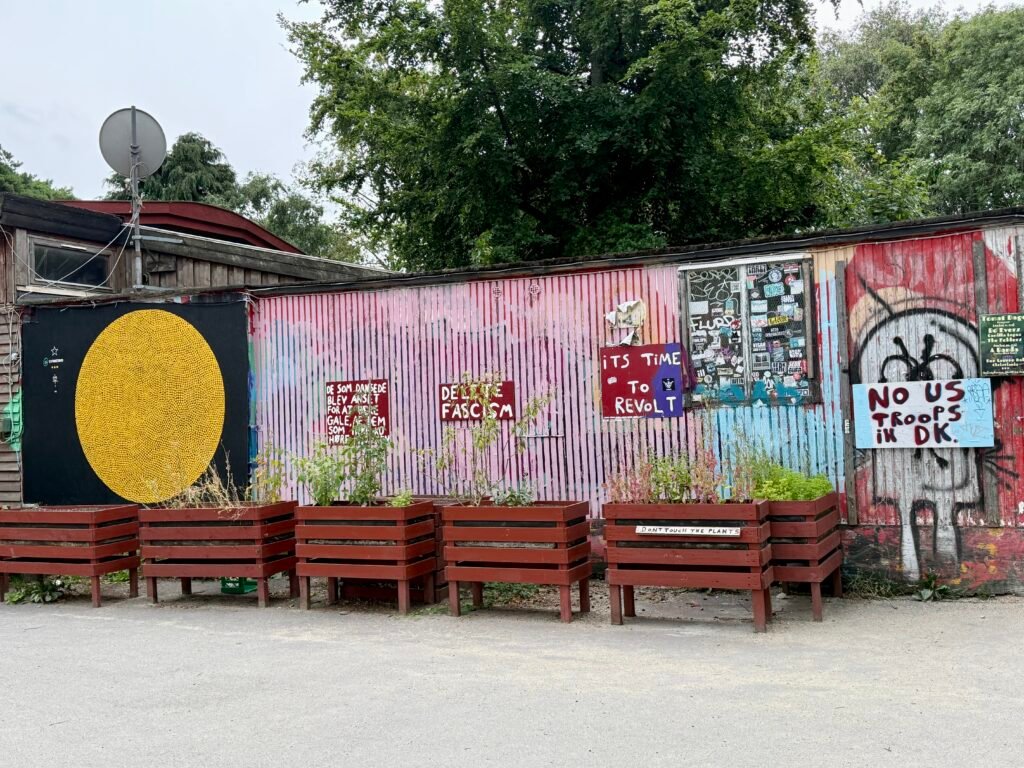
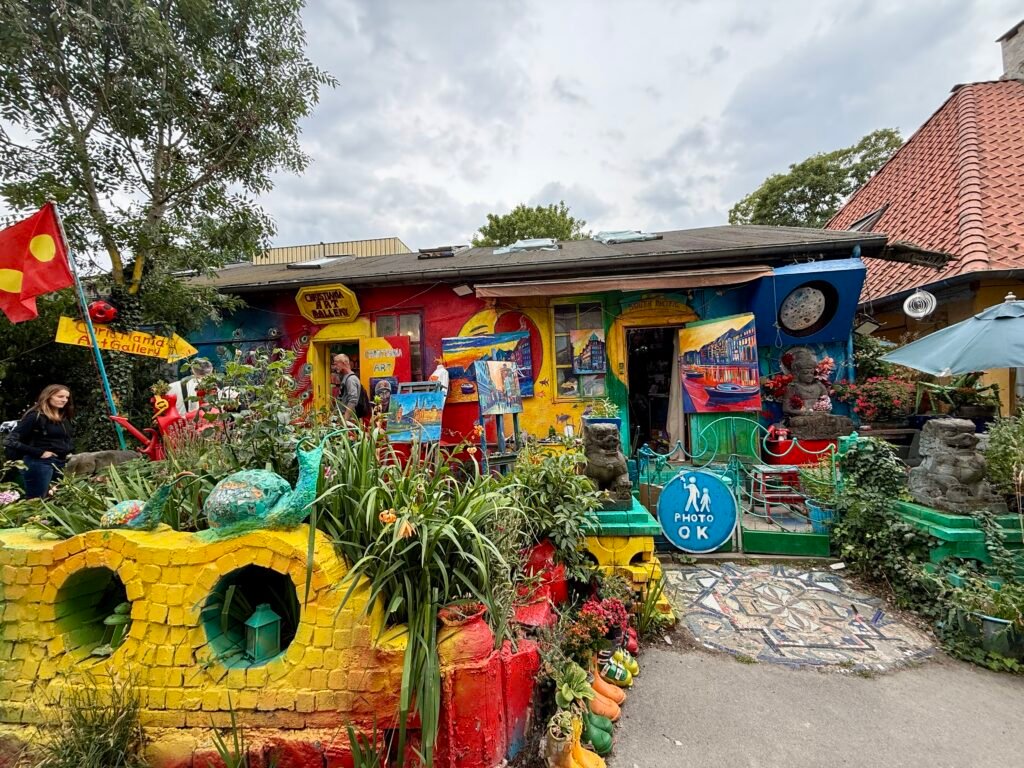
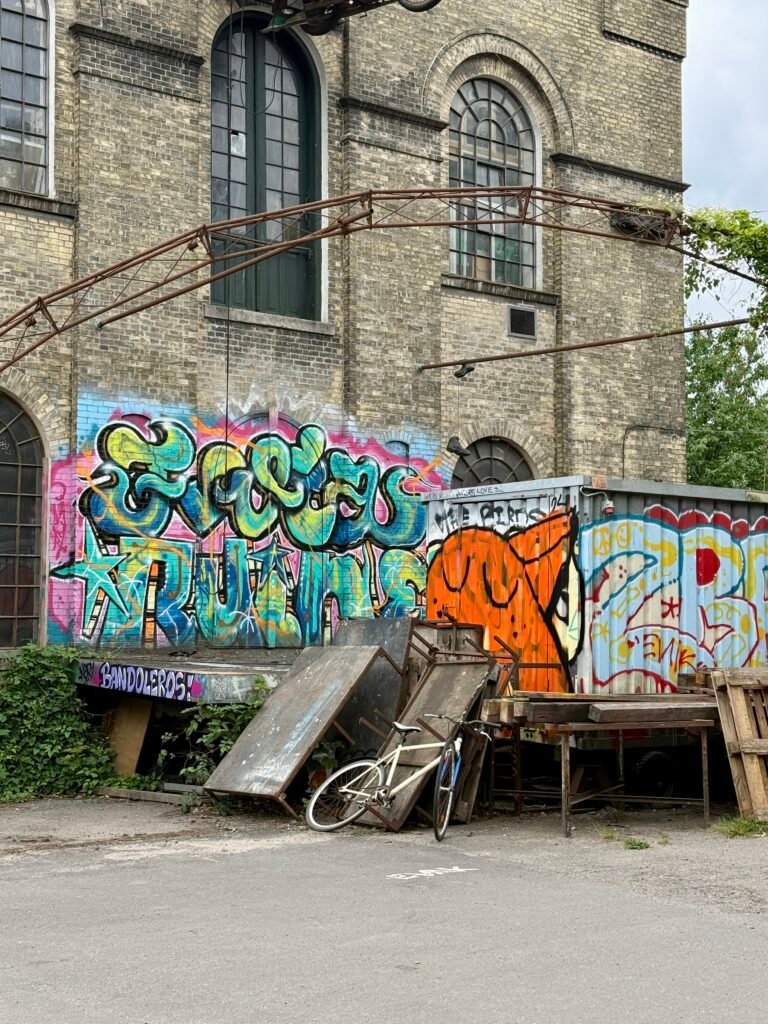
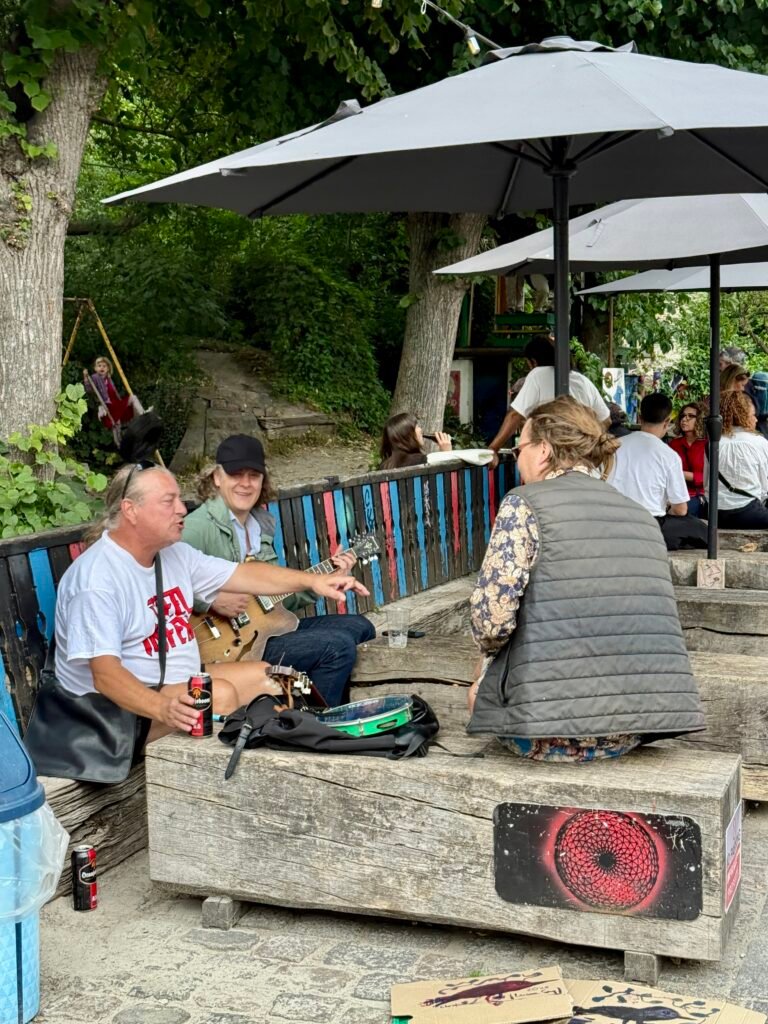
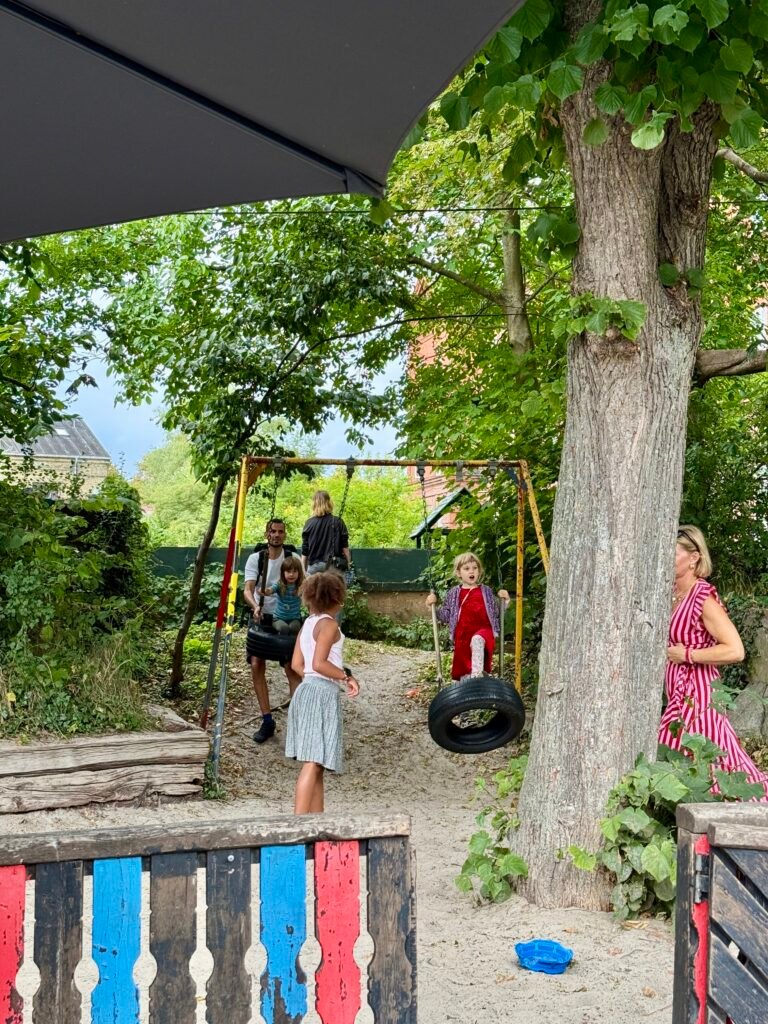
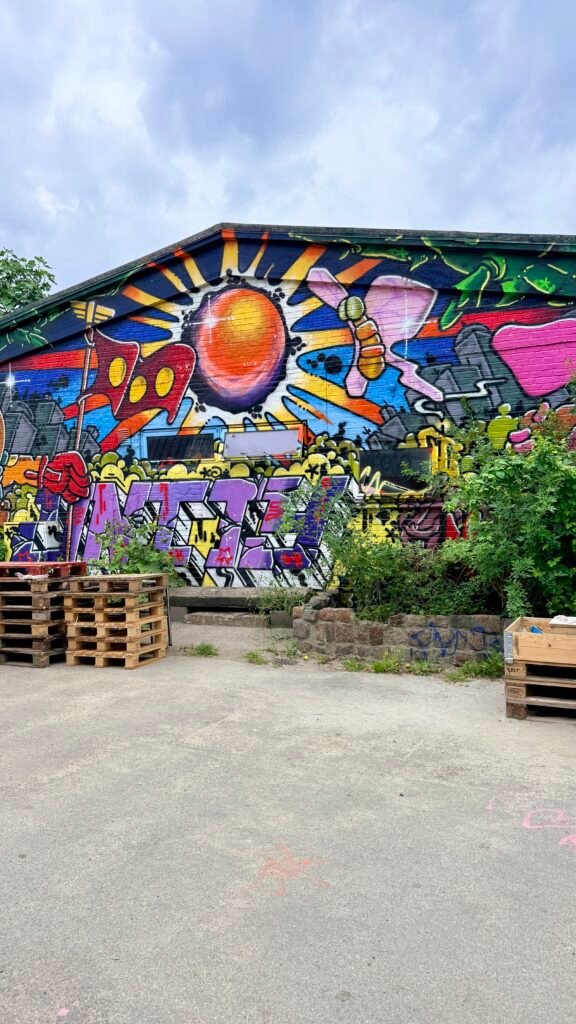
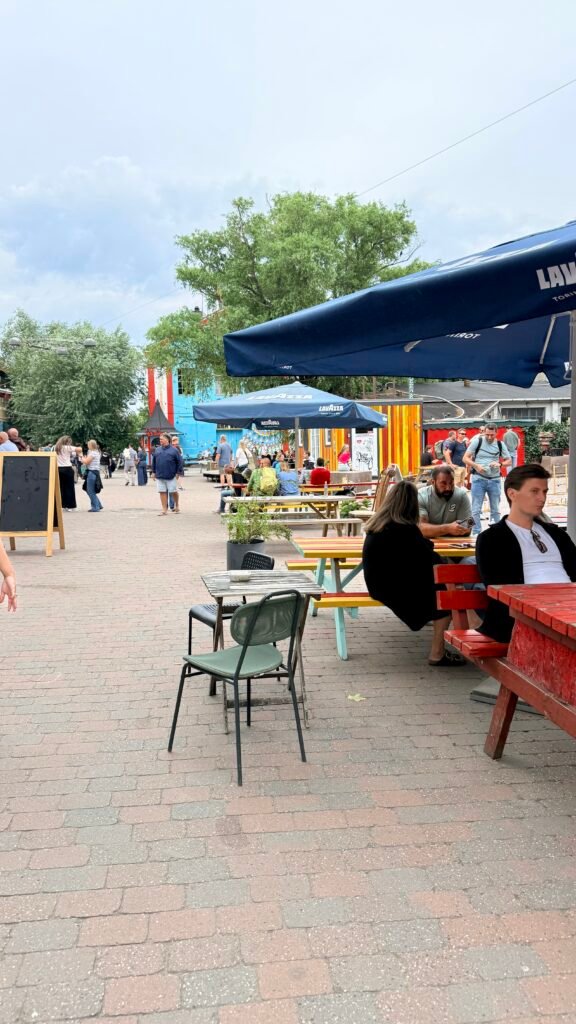
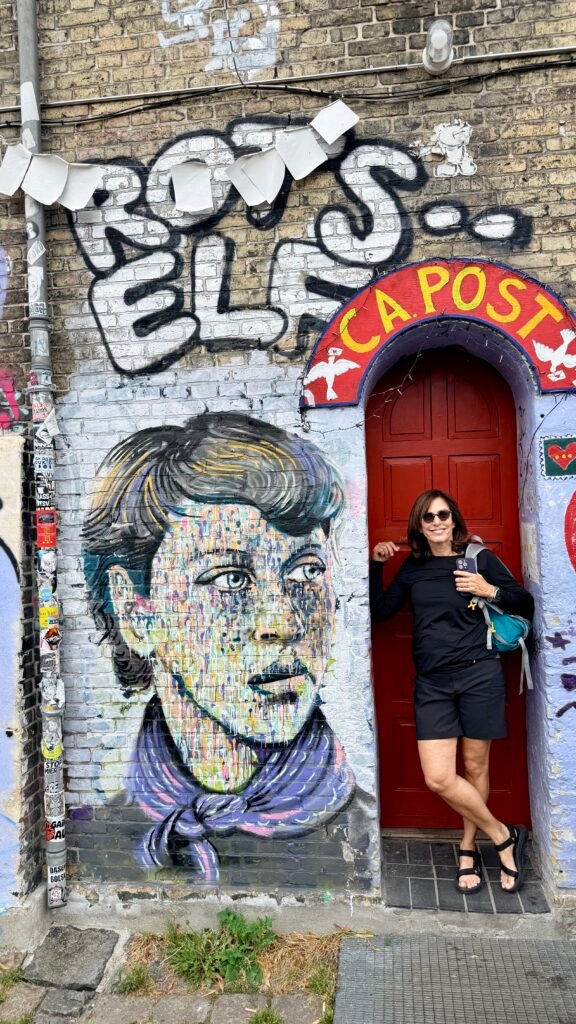
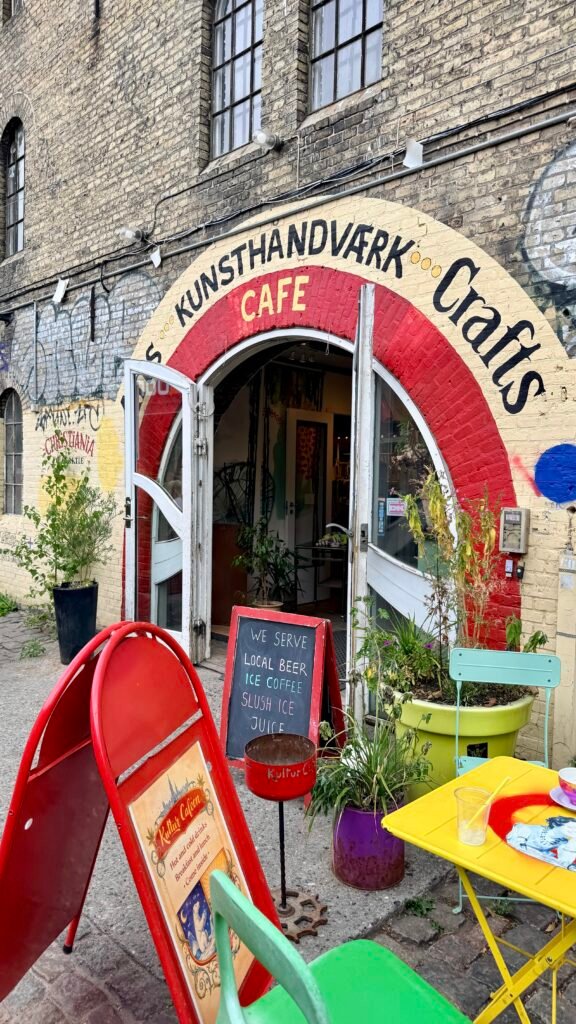
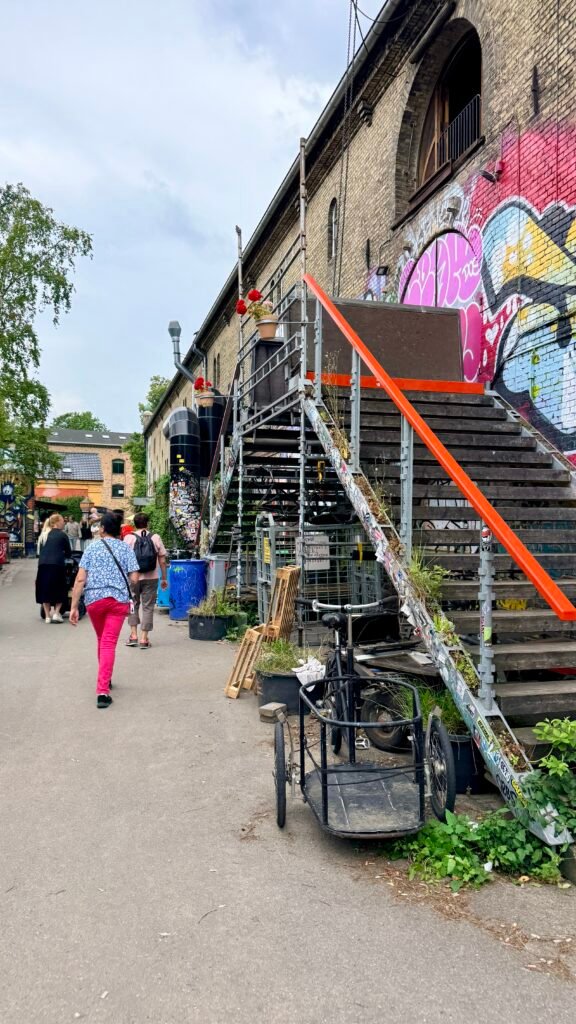
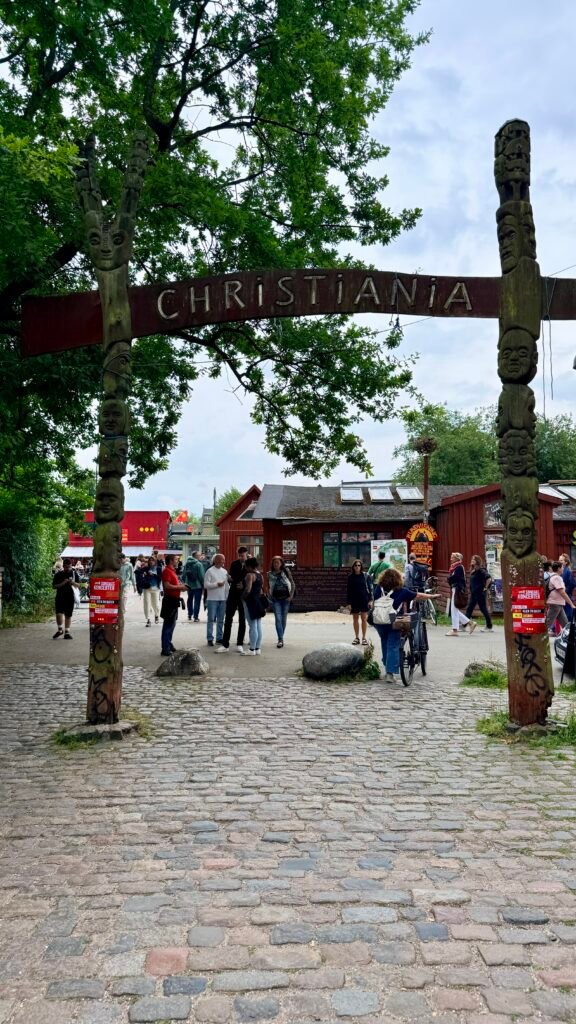
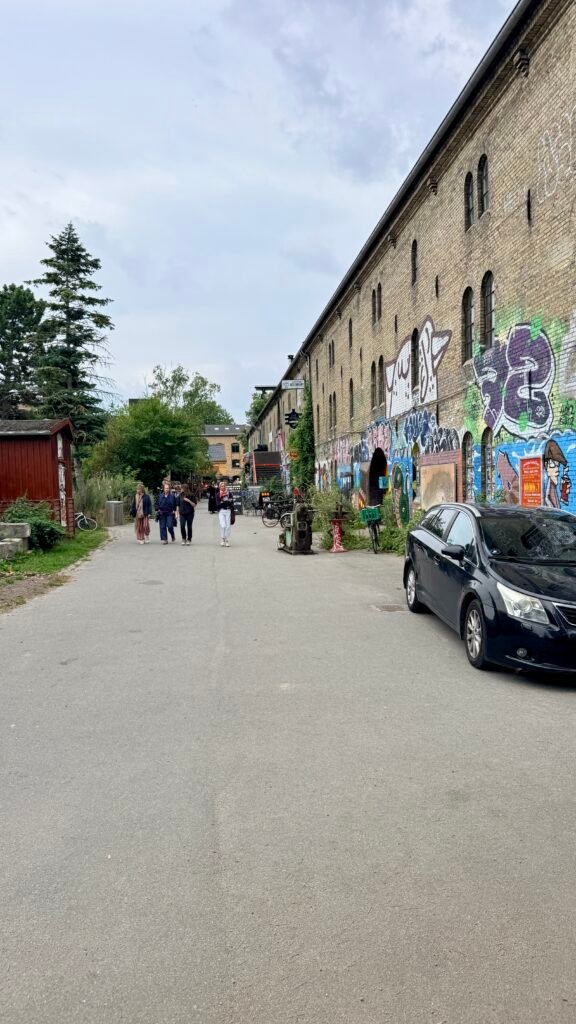
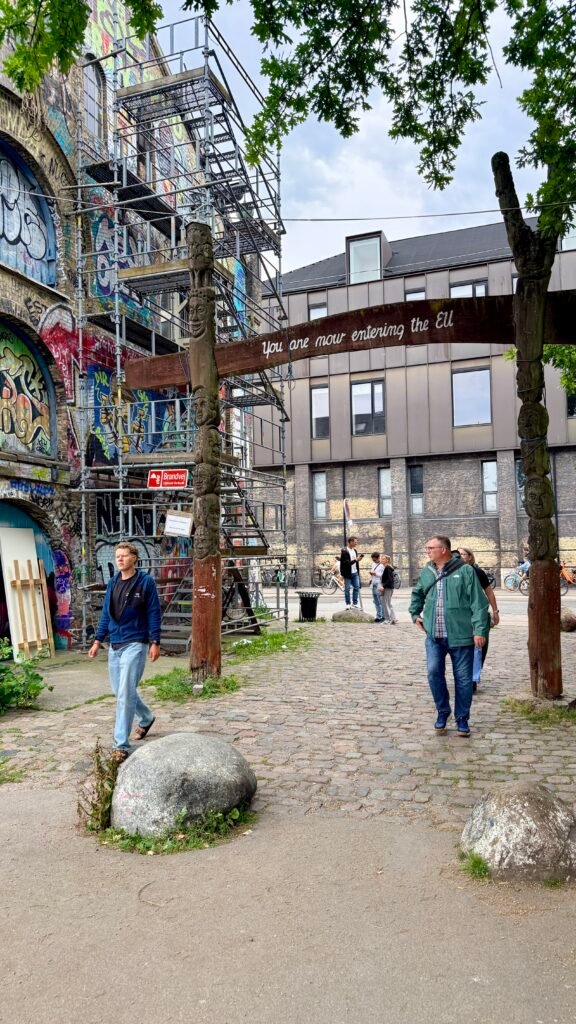
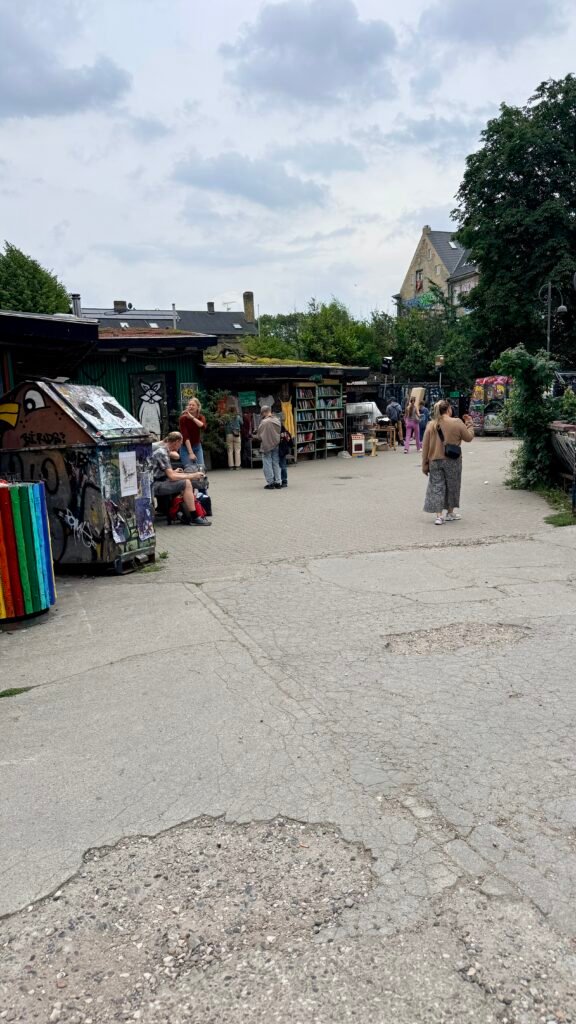
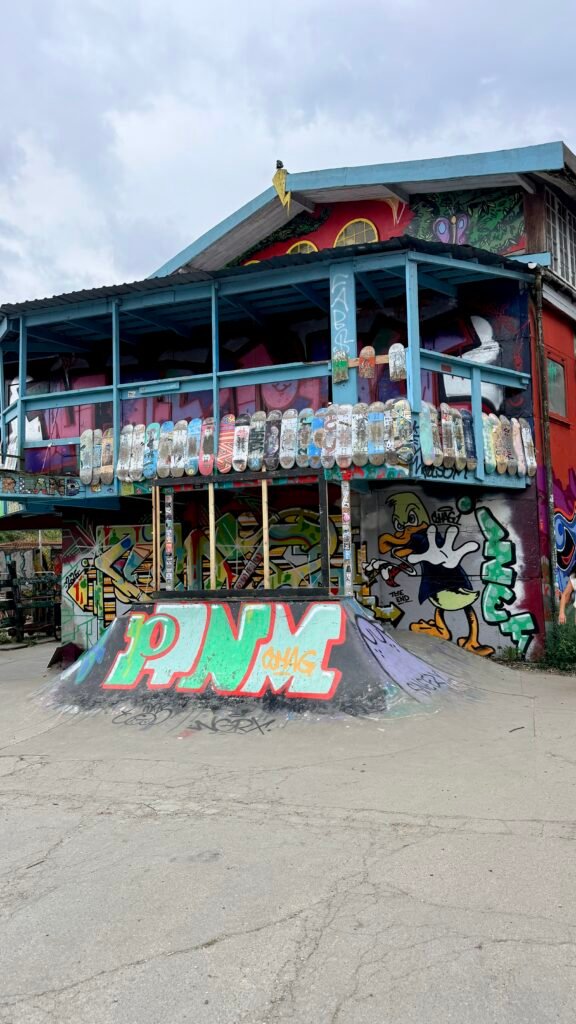
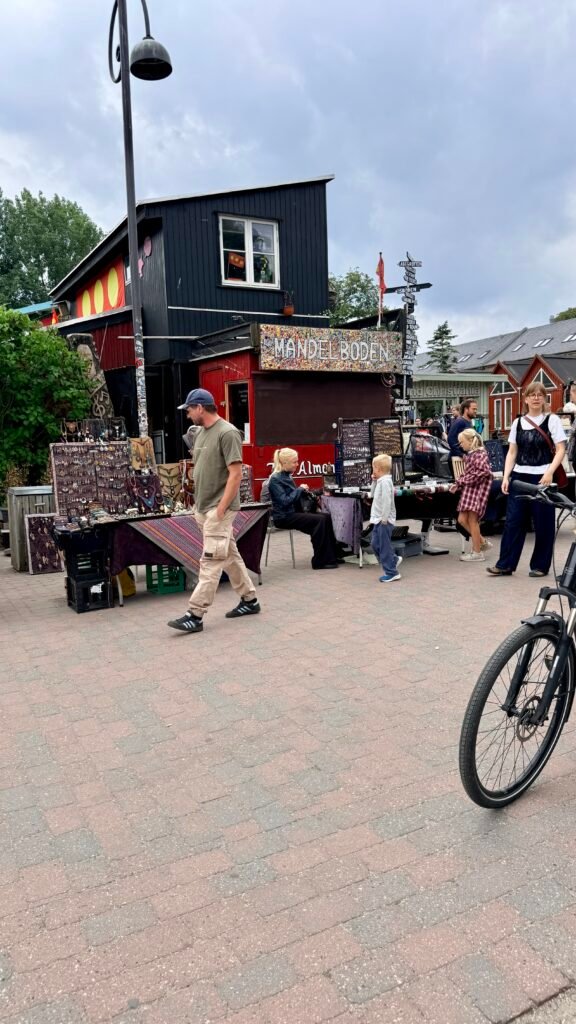
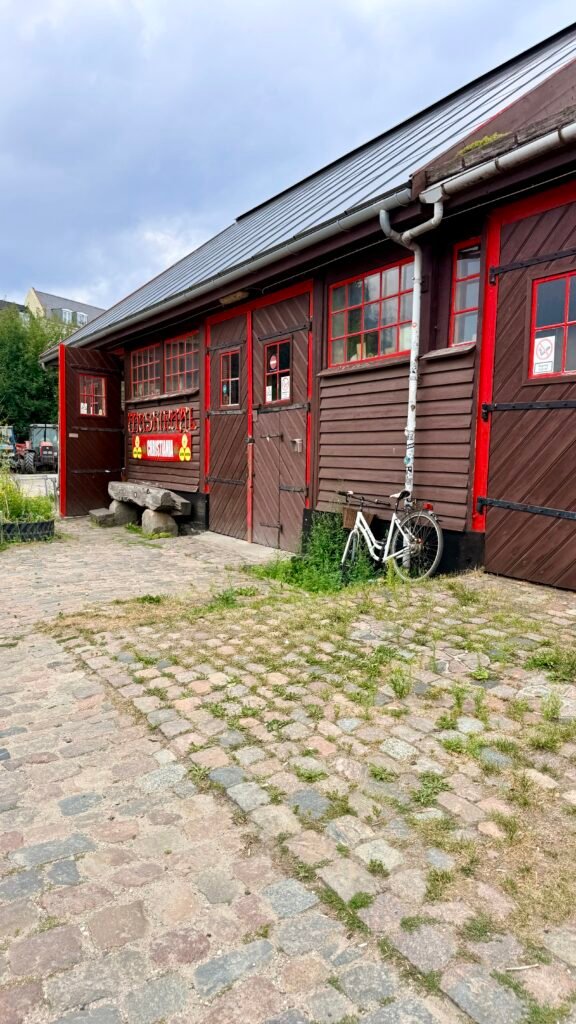
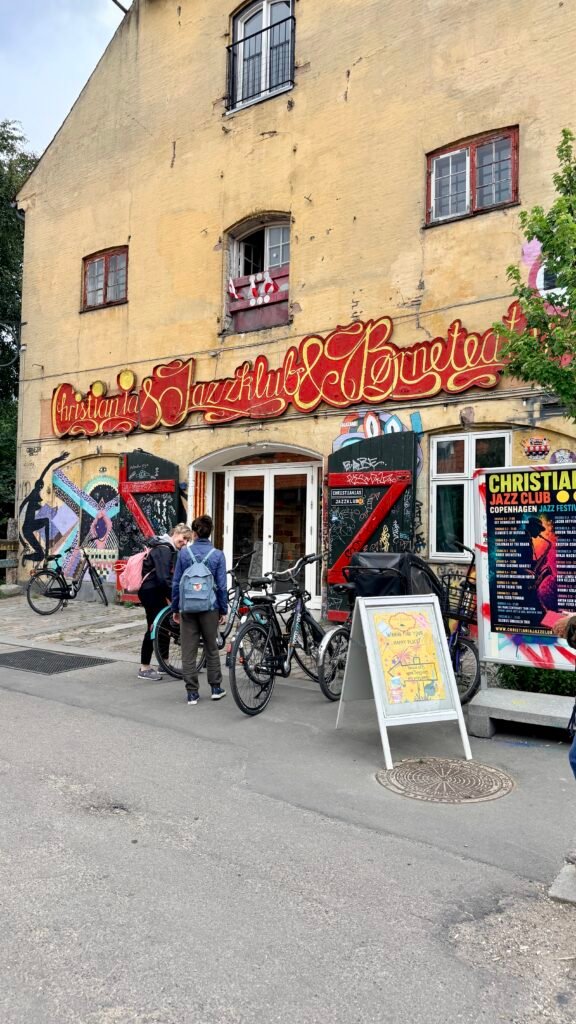
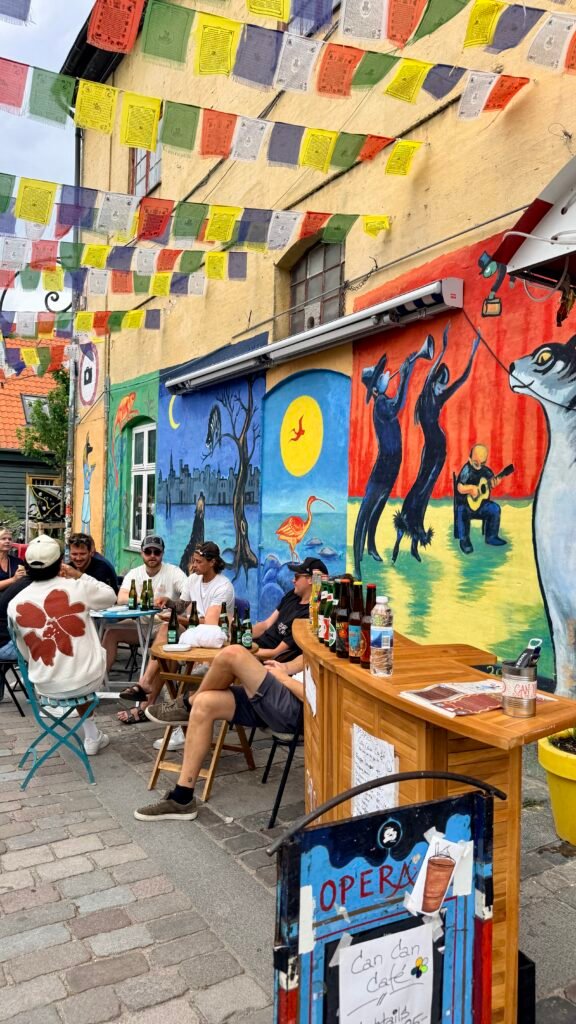
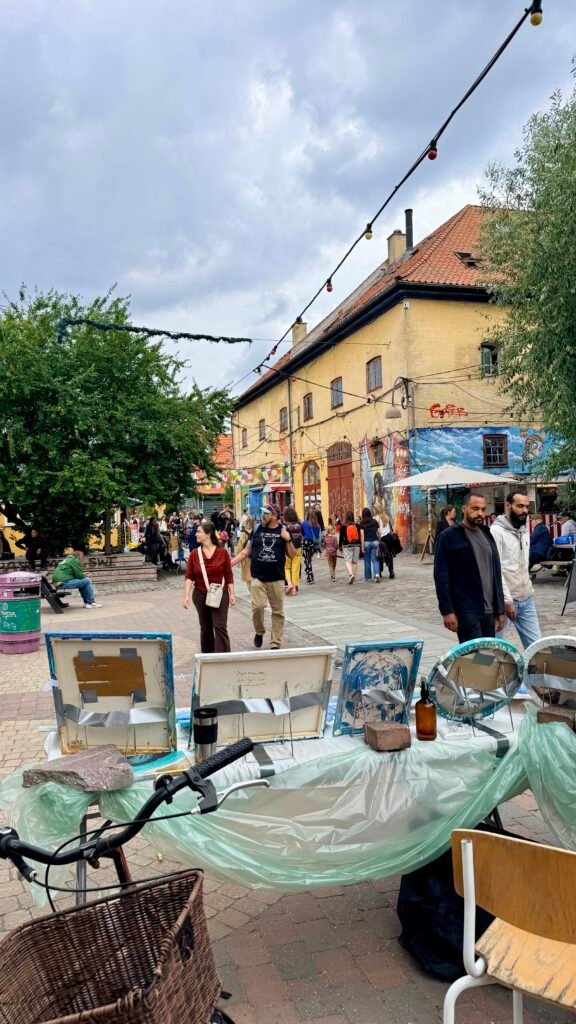
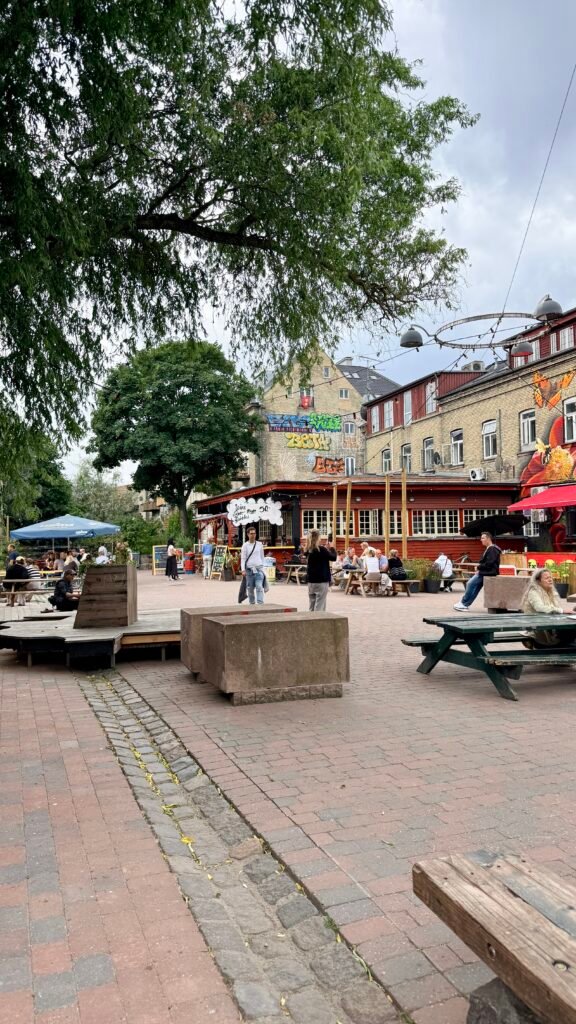
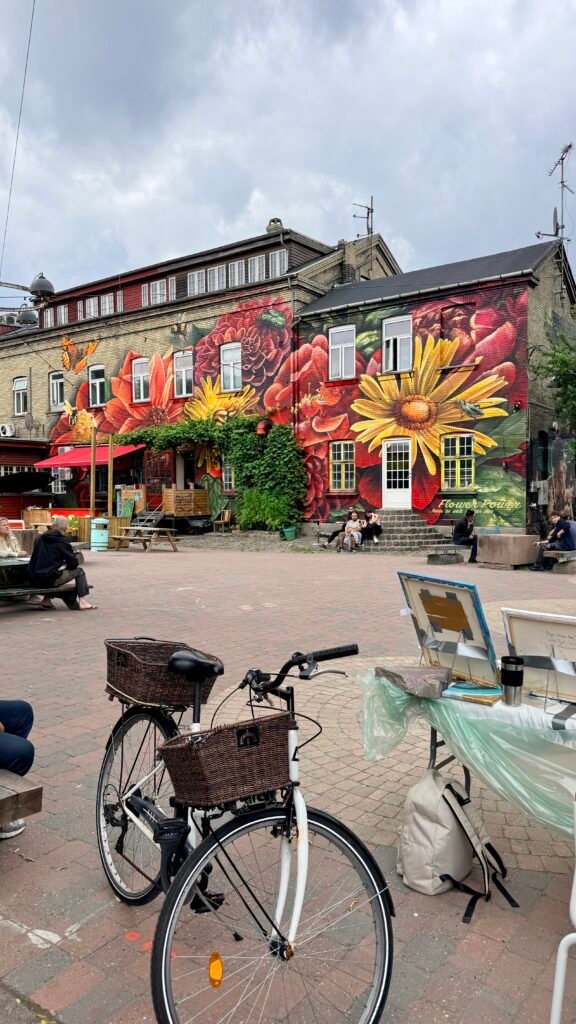
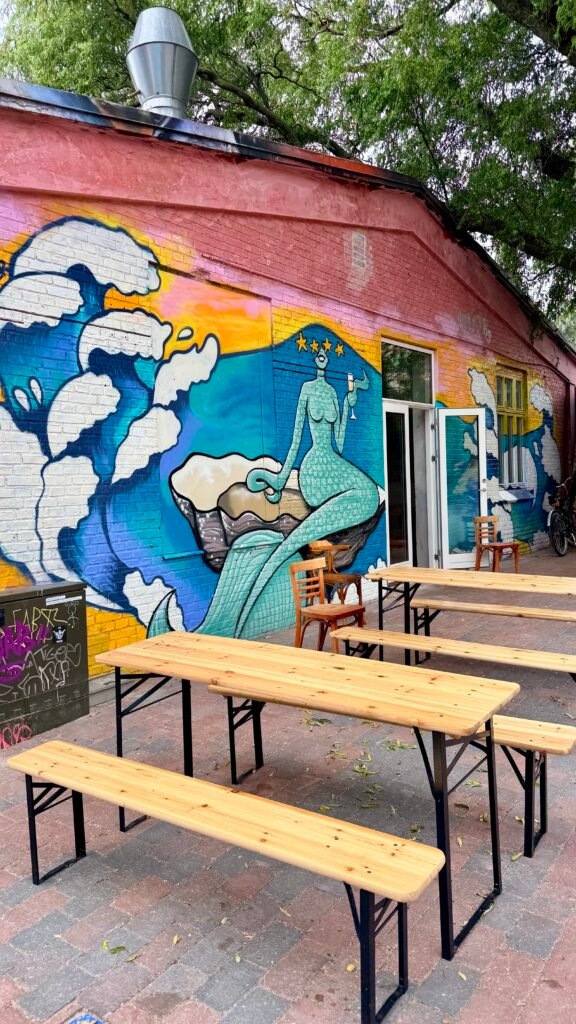
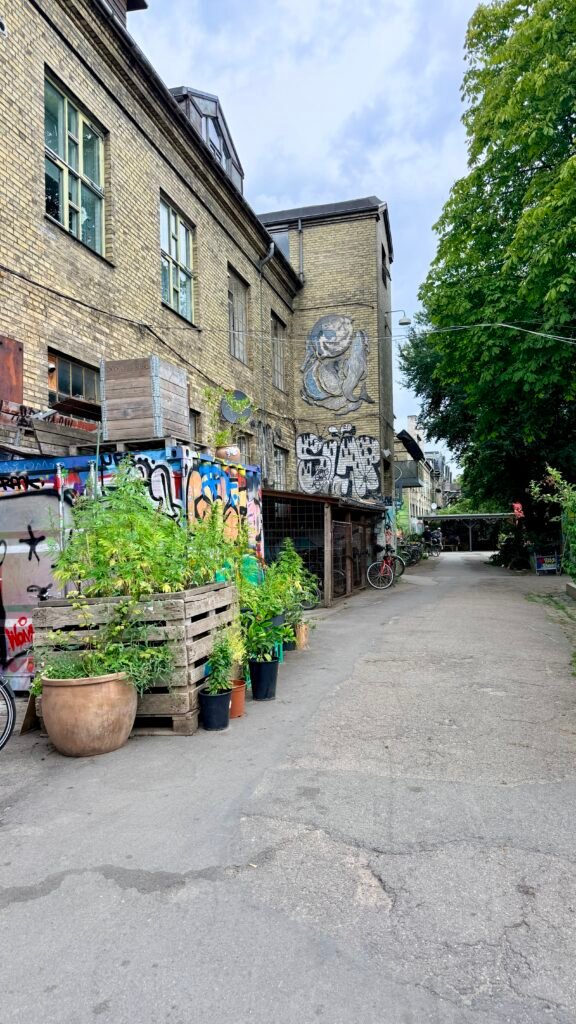
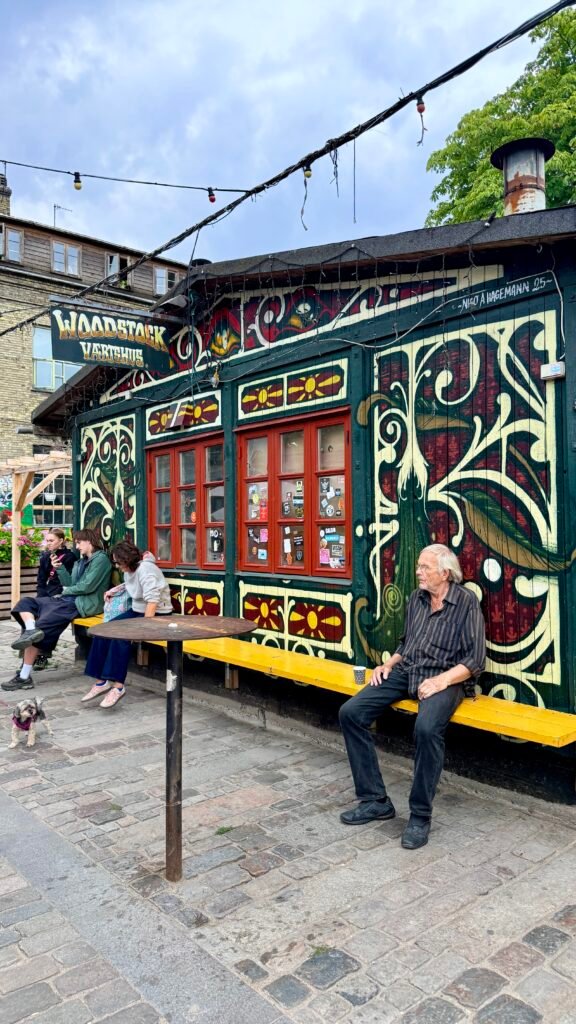
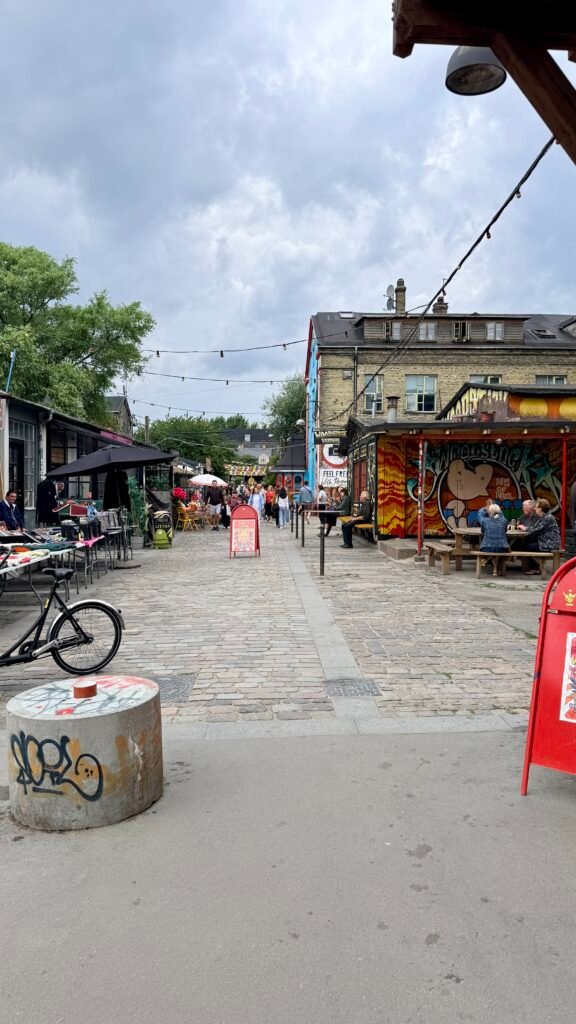
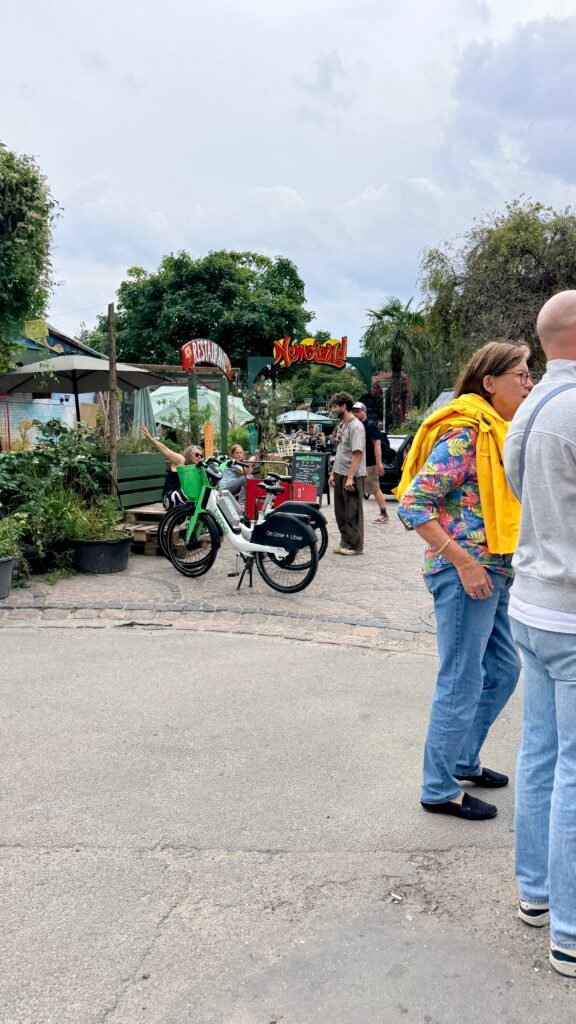
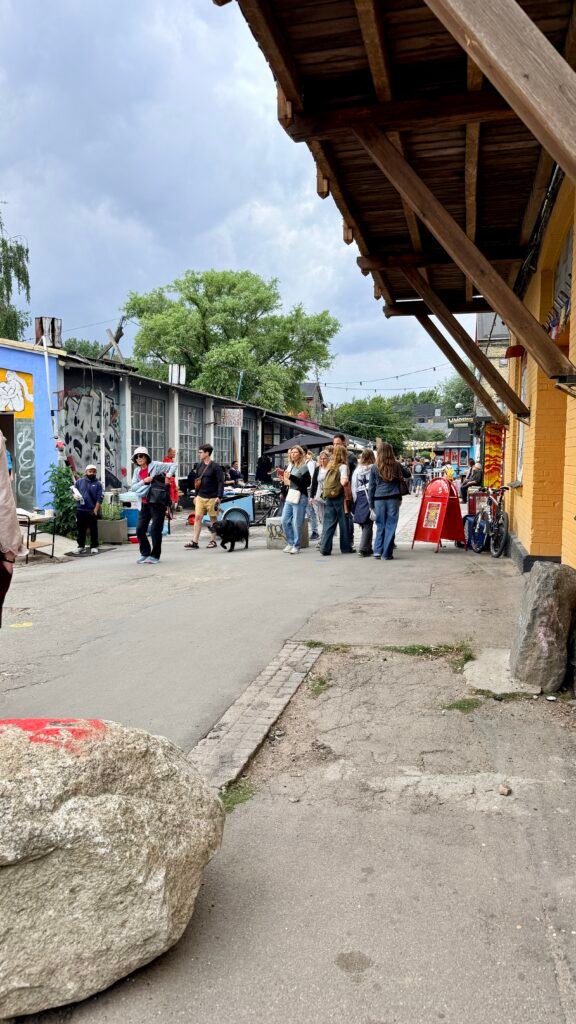
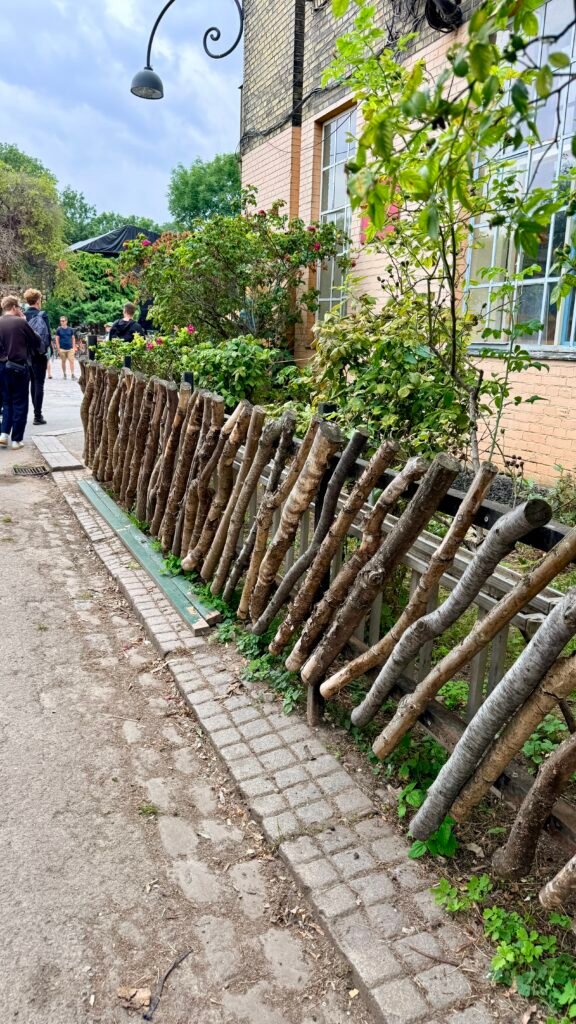
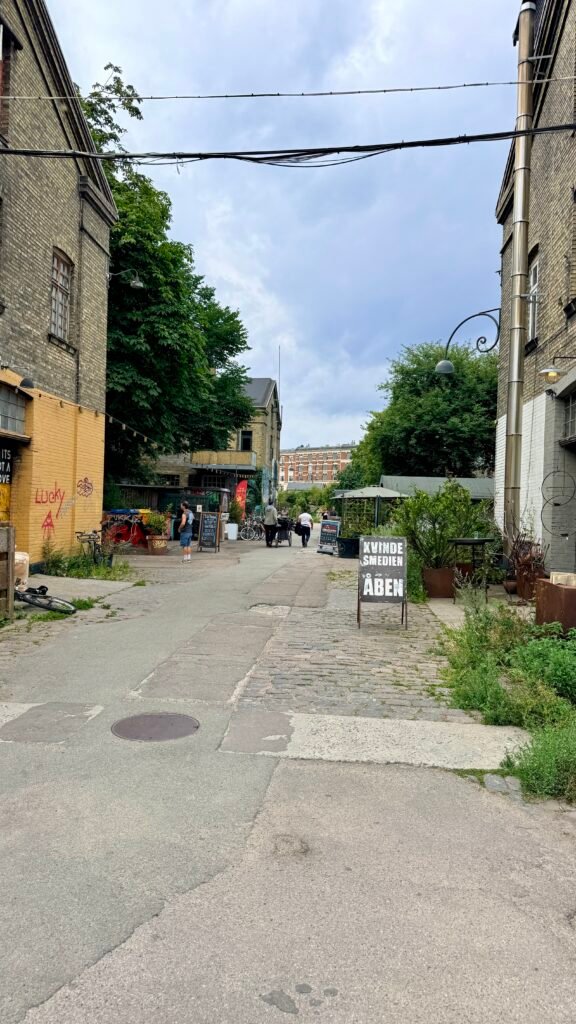
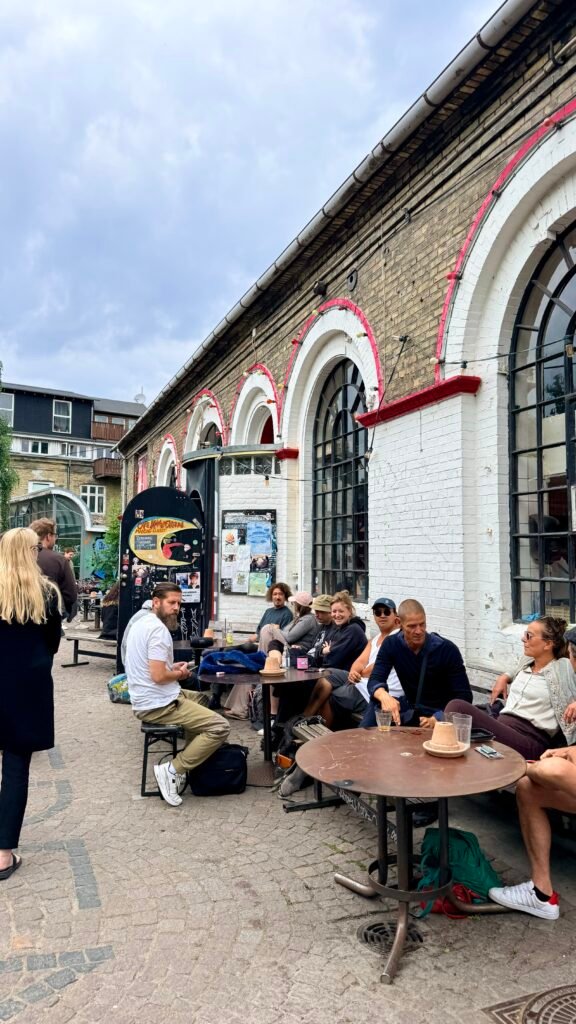
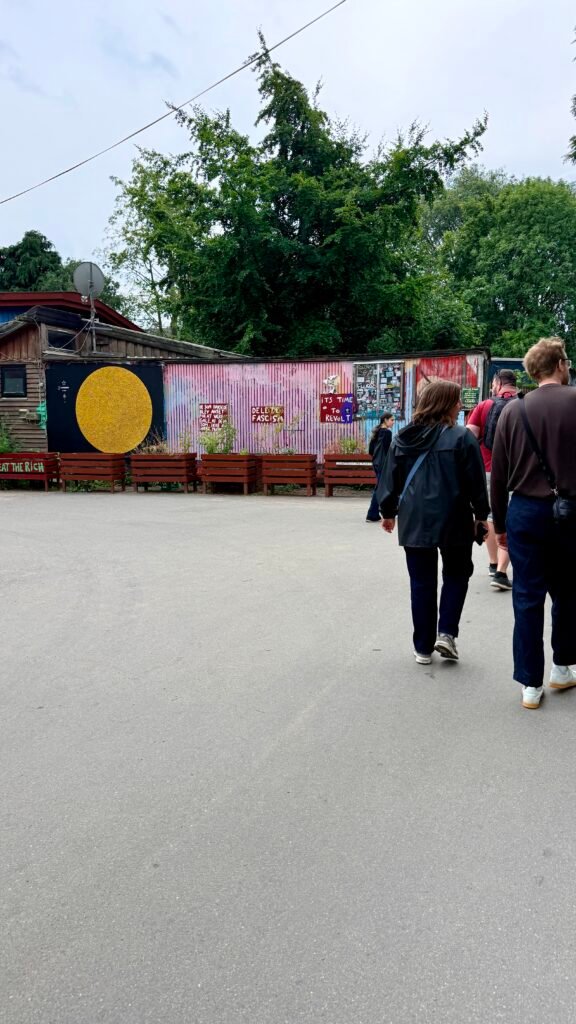
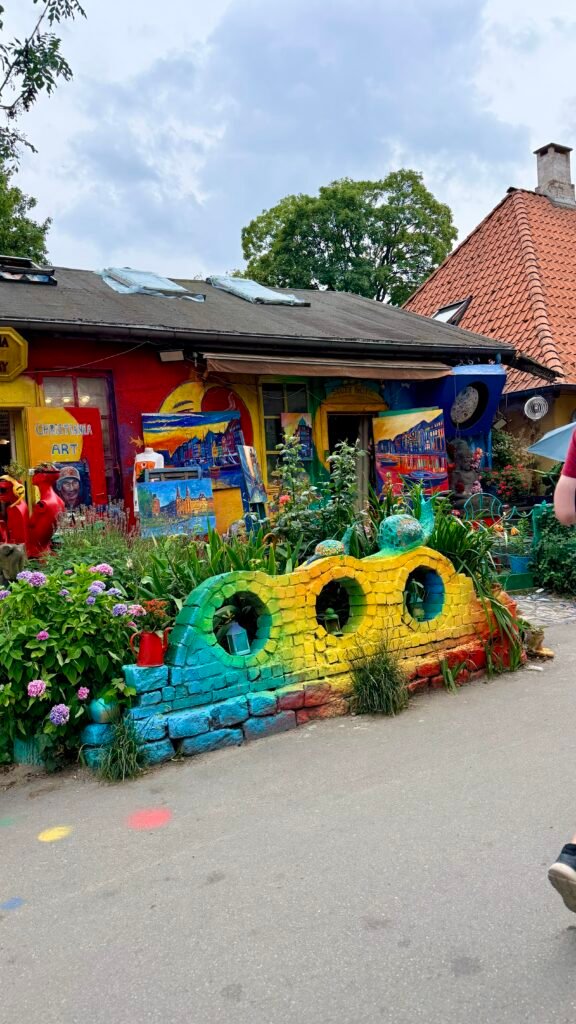
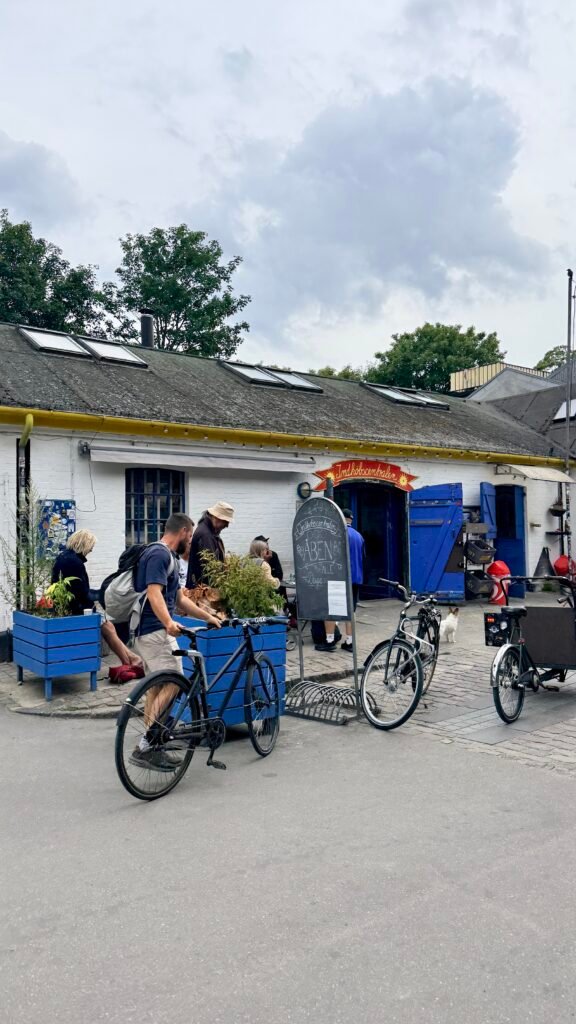
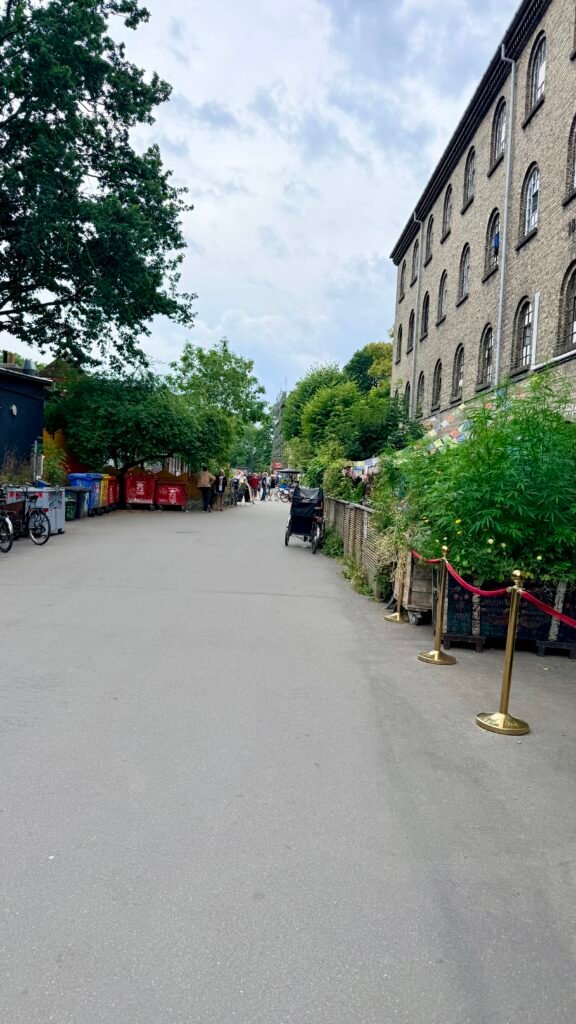
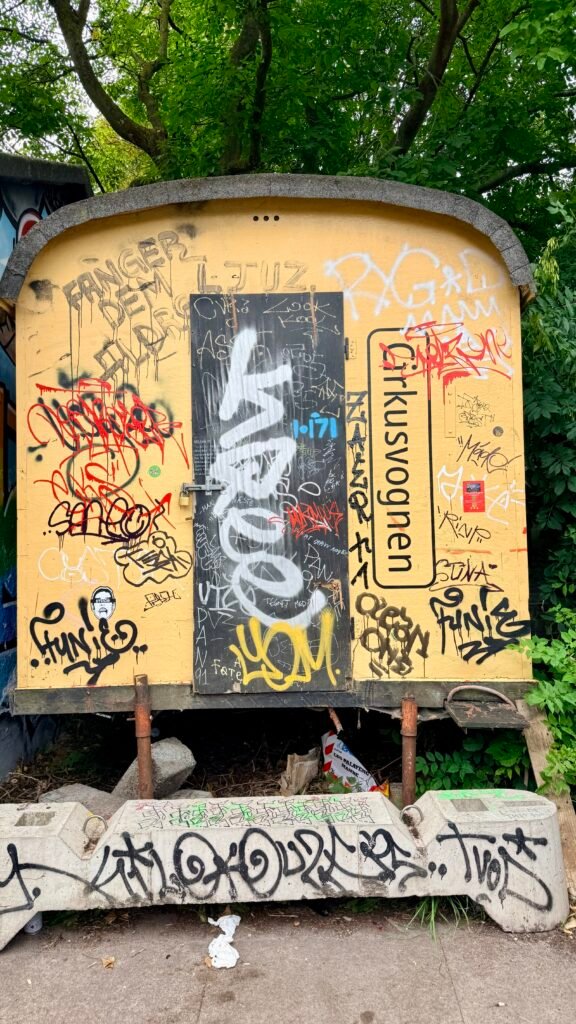
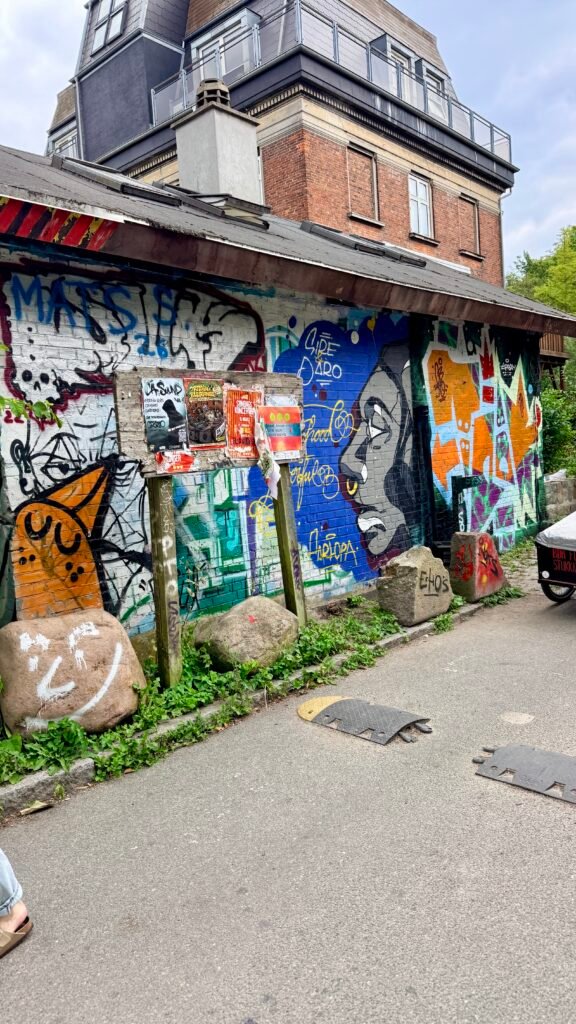
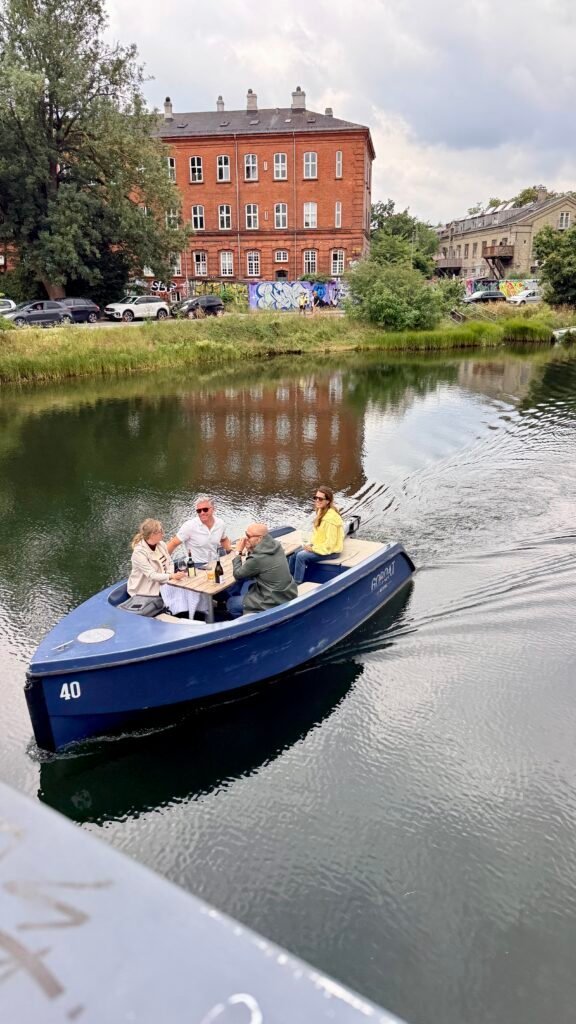
Freetown Christiania is a unique, self-governing neighborhood in the Christianshavn district of Copenhagen. Founded in 1971 when a group of people occupied a former military area and created an alternative community. Known for its colorful murals, street art, unusual buildings, cafés, workshops, and relaxed atmosphere. The area has a strong history of alternative lifestyles and counterculture. Pusher Street was historically associated with open cannabis sales, although the situation has changed significantly in recent years. It’s interesting to visit for the architecture, artwork, and atmosphere, rather than treating it simply as a tourist attraction.