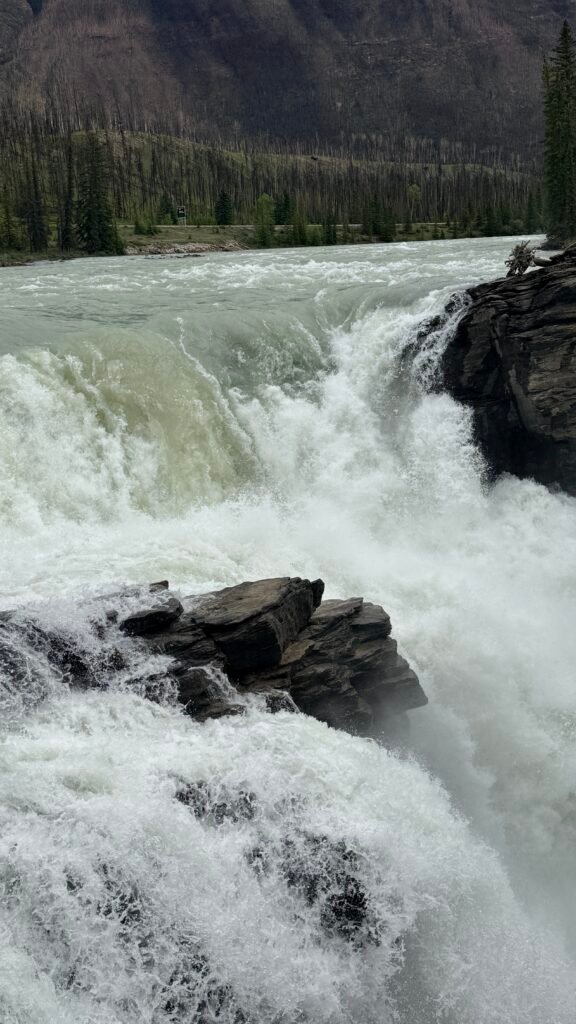
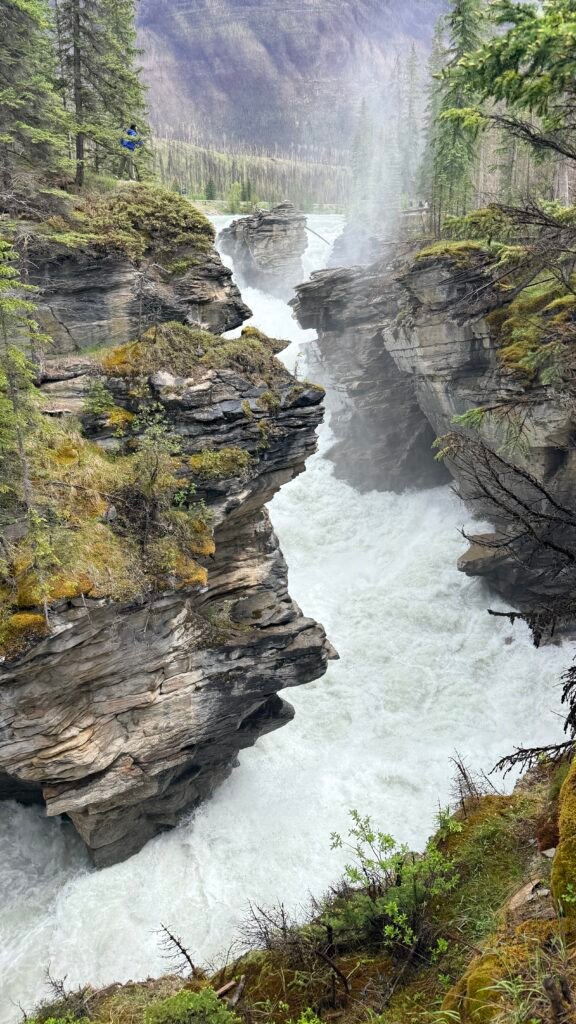
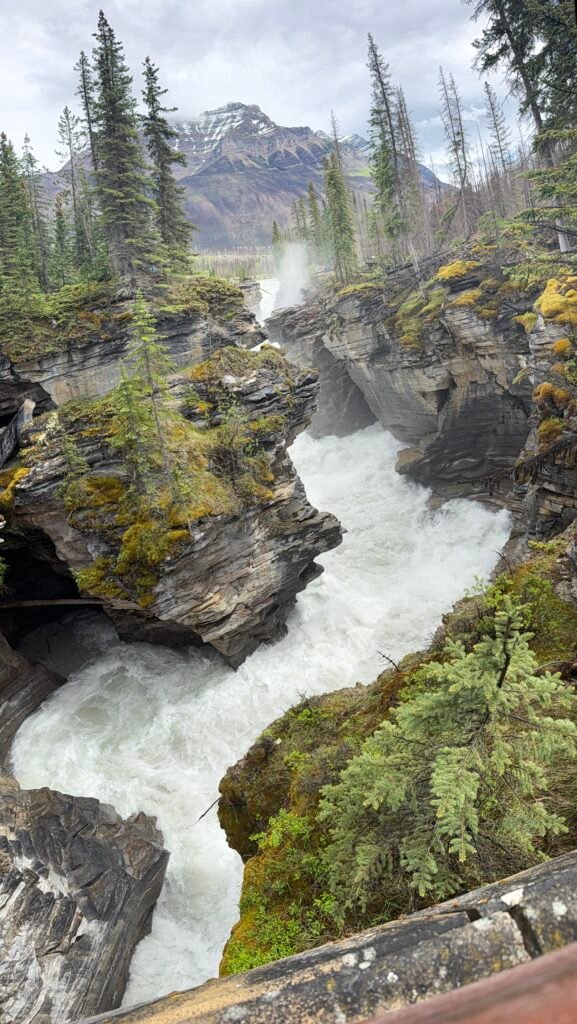
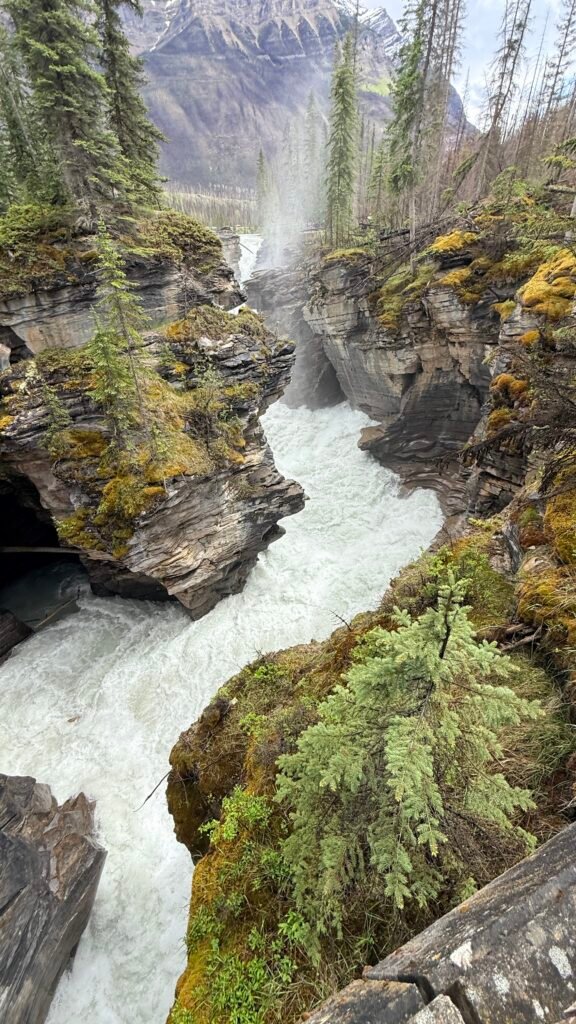
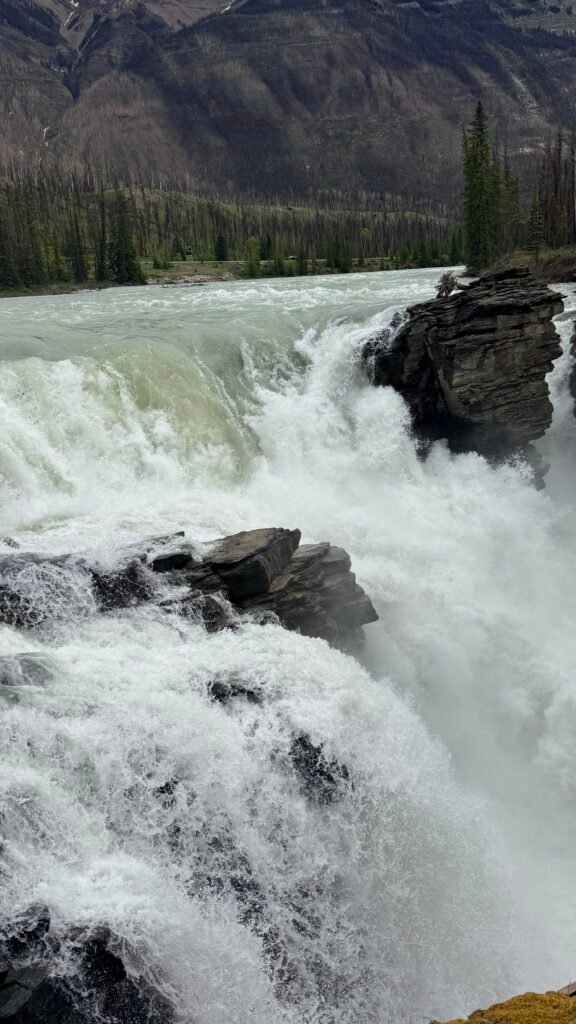
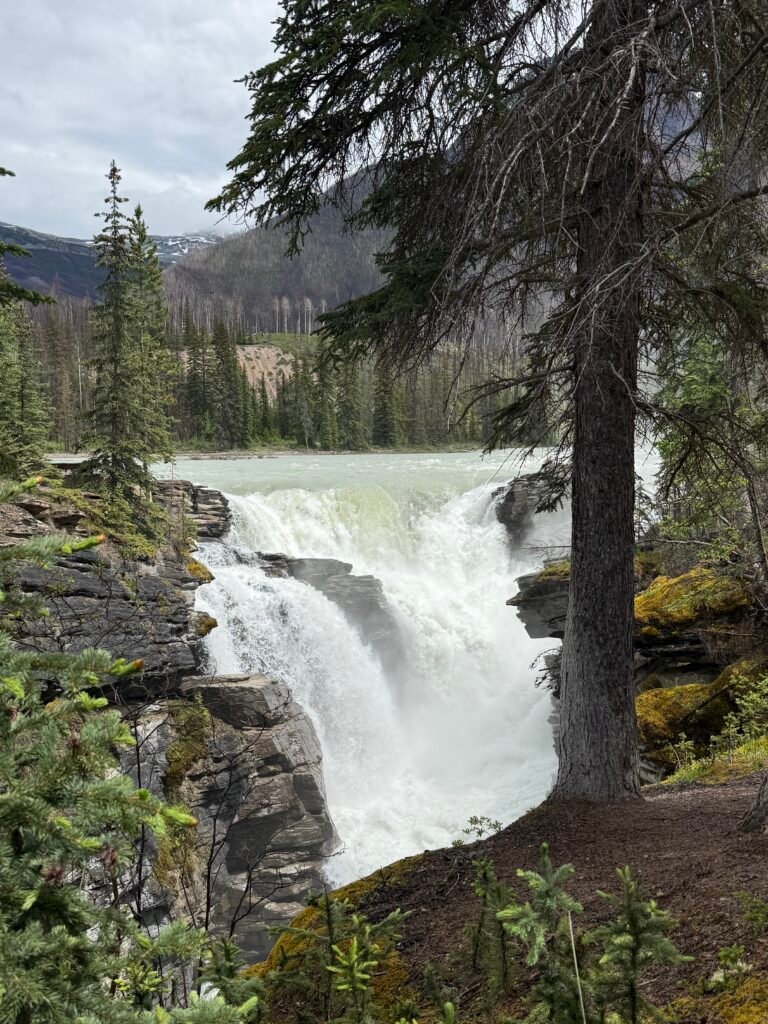
Athabasca Falls has a way of humbling you the moment you step out of the car. At 23 meters tall, it’s not the highest waterfall in the Canadian Rockies by a long shot, but what makes it exceptional is sheer volume — the Athabasca River is the largest river system in Jasper National Park, and all of that glacial water from the Columbia Icefield gets funneled through a canyon barely wide enough to stand in. Standing at the railing above the gorge as roughly 113 cubic meters of water per second thunders past you is an experience that stays with you. The geology here is also fascinating — the river pours over a layer of hard quartzite and into softer limestone beneath, carving intricate potholes and a short canyon over thousands of years. The result is some of the most dramatic and unusual rock formations in the entire park.
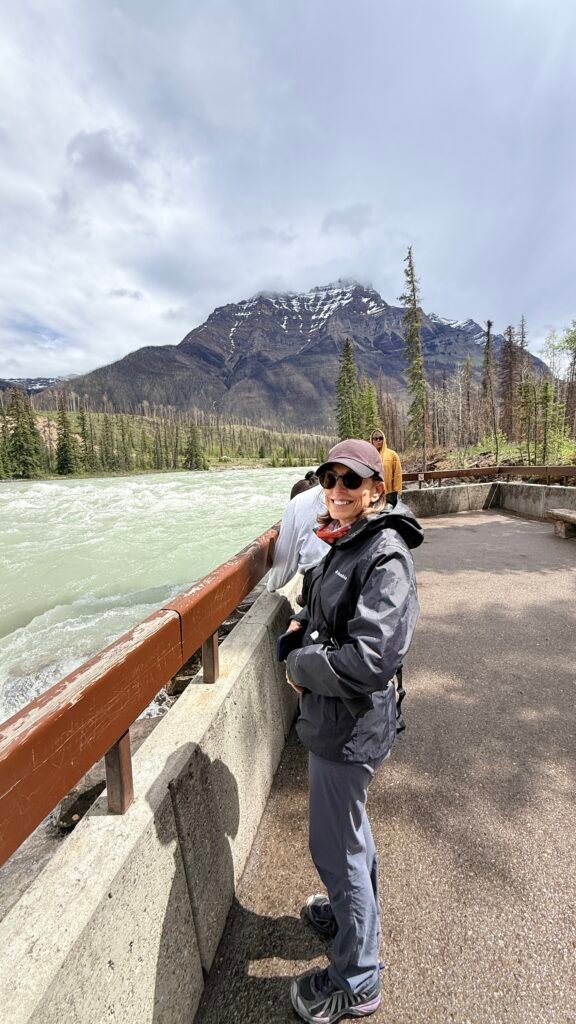
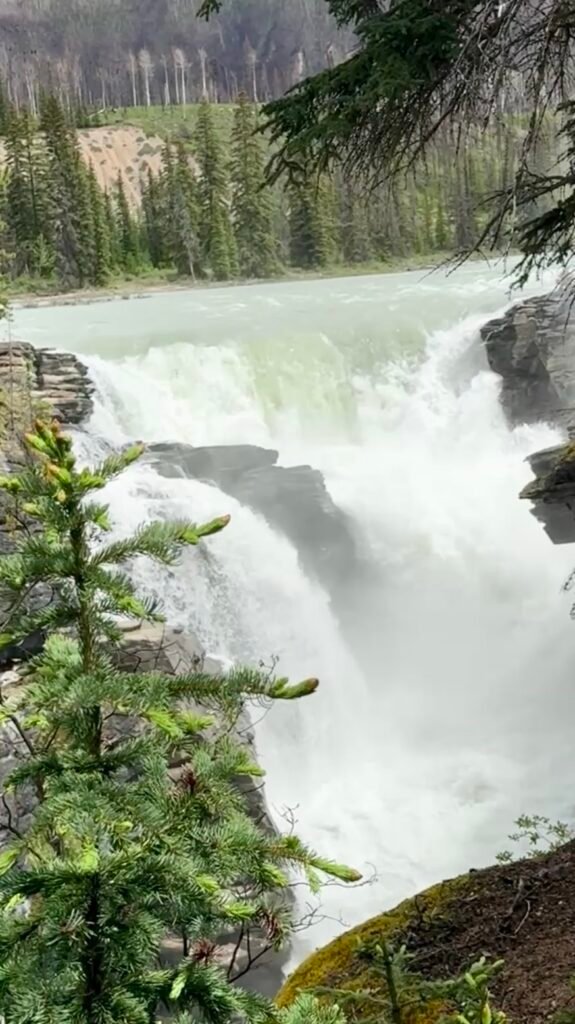
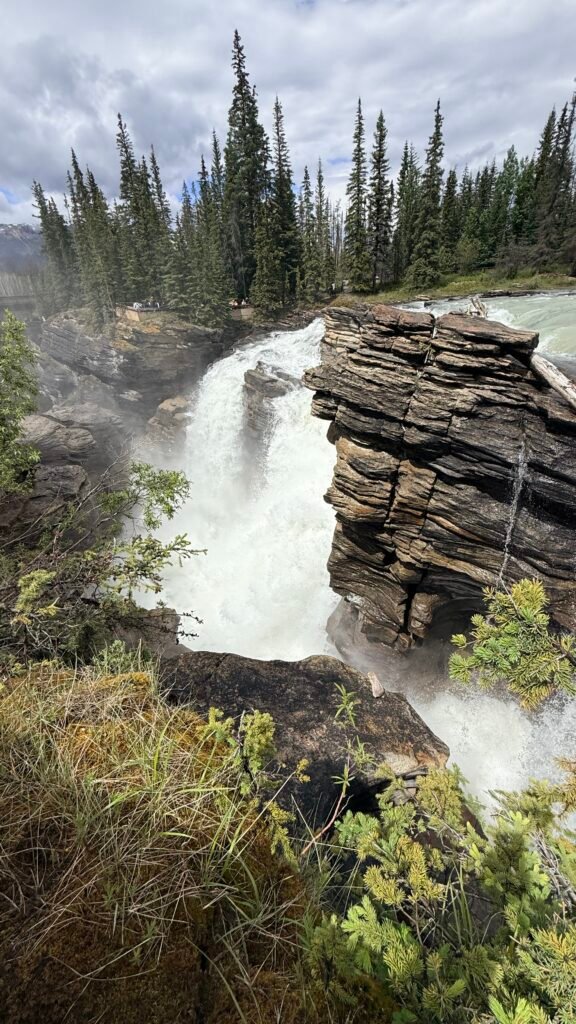
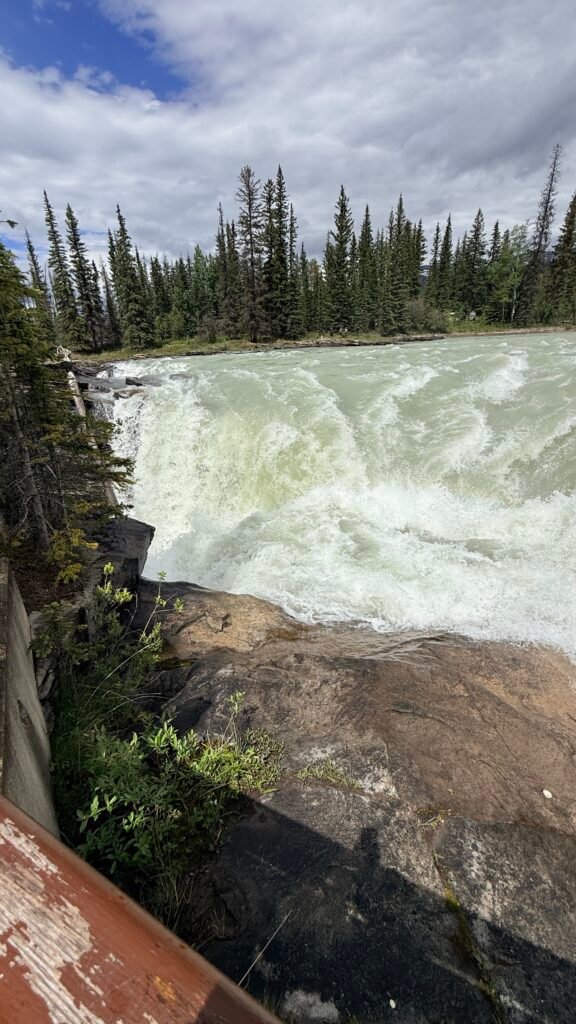
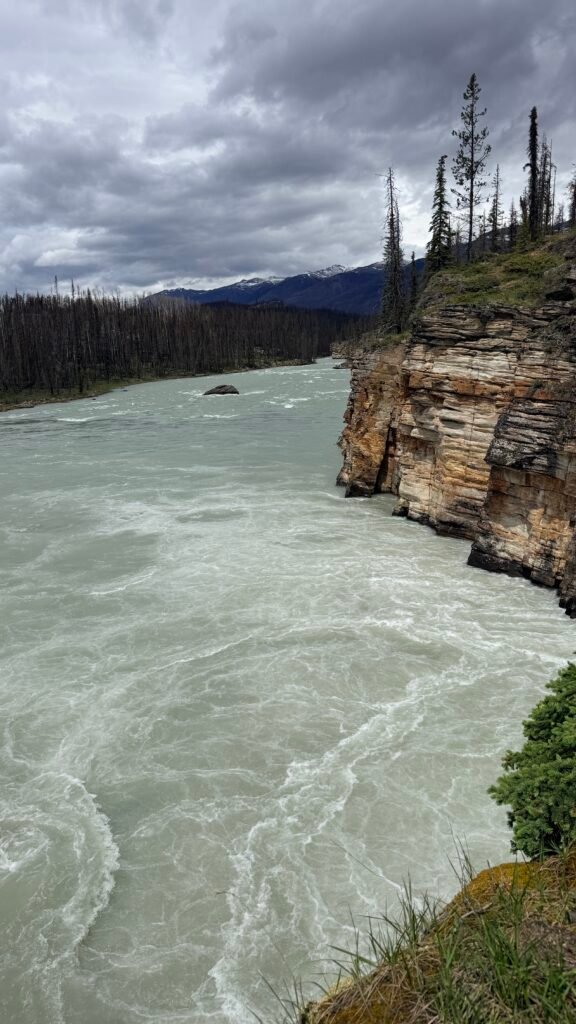
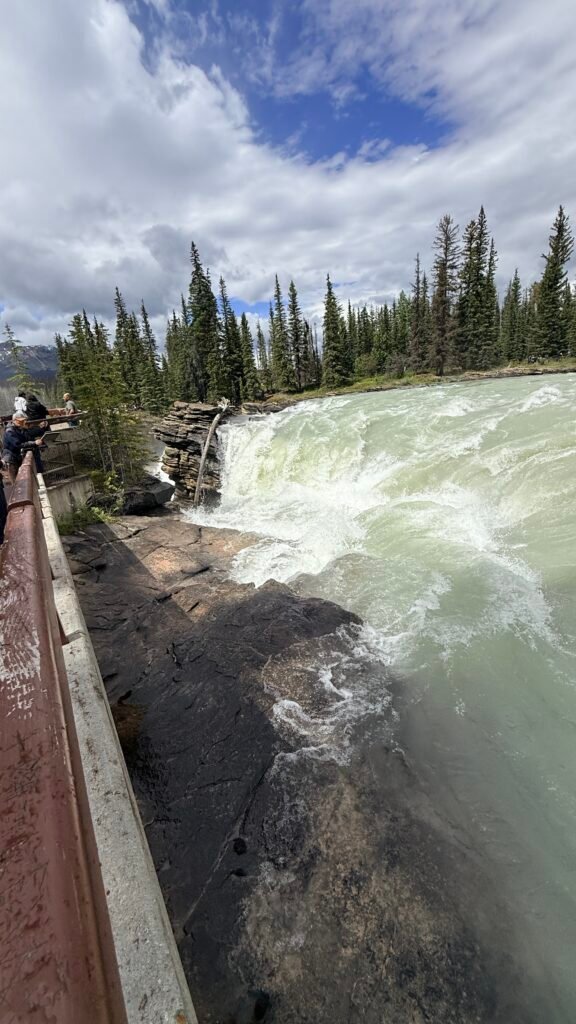
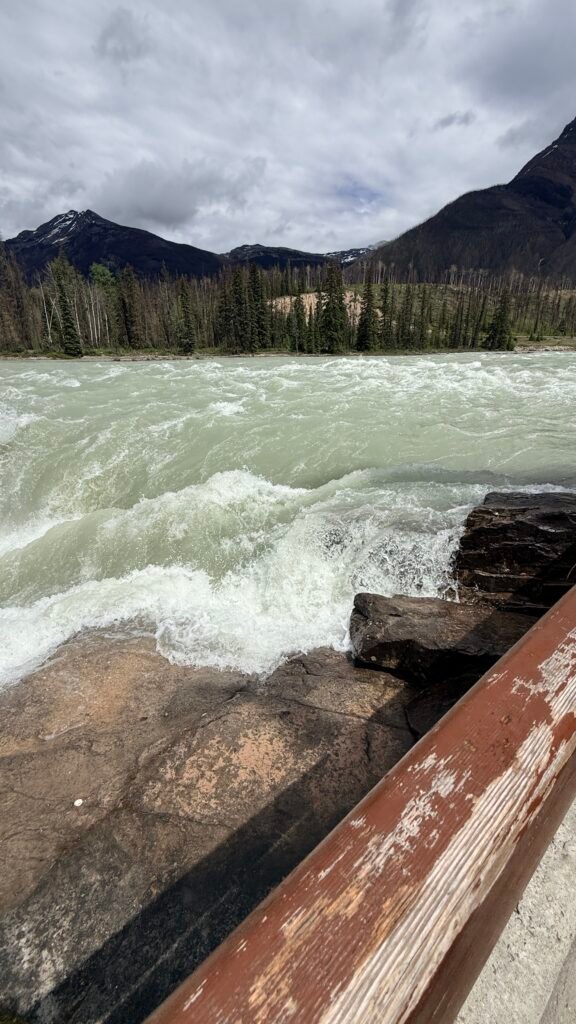
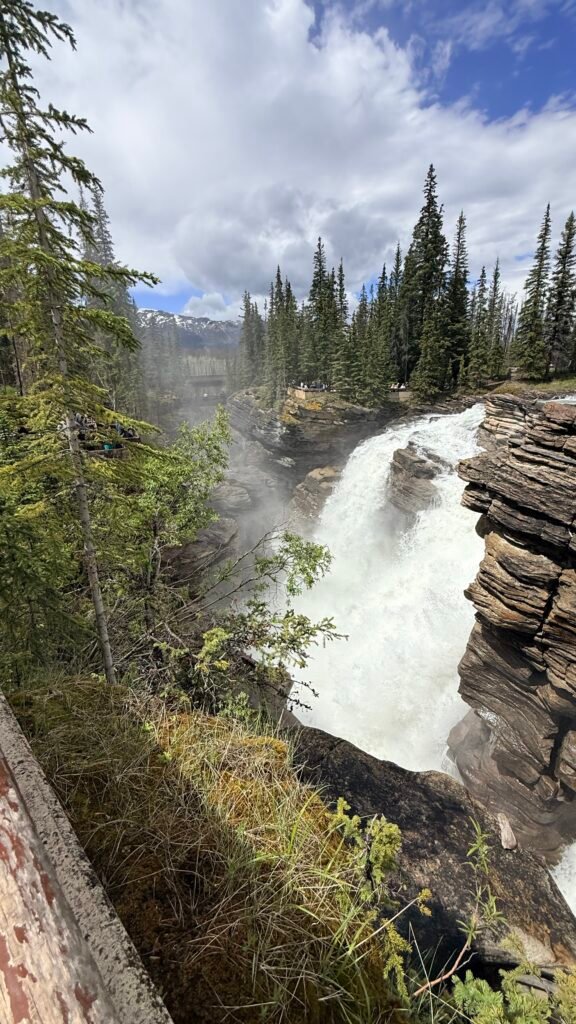
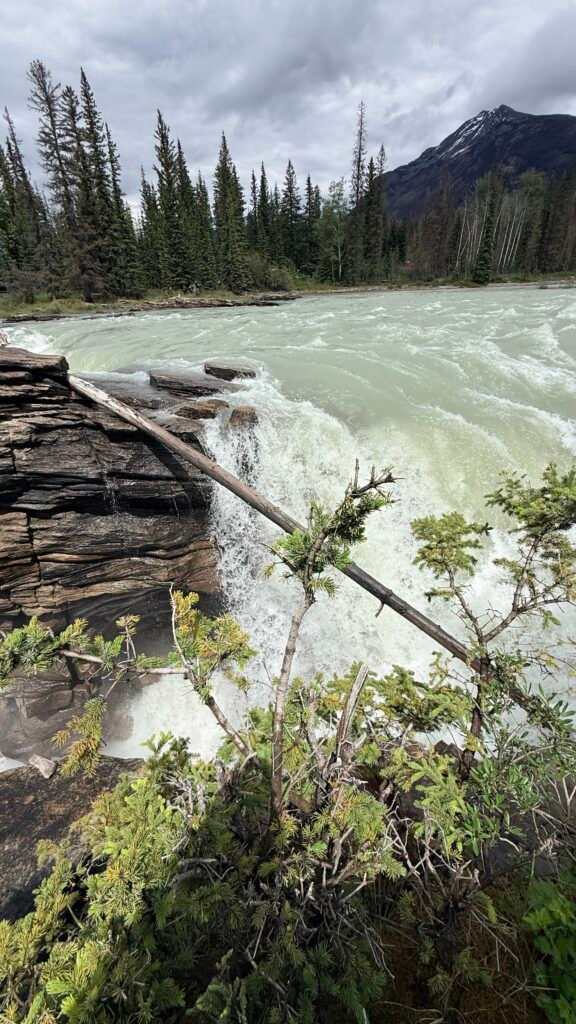
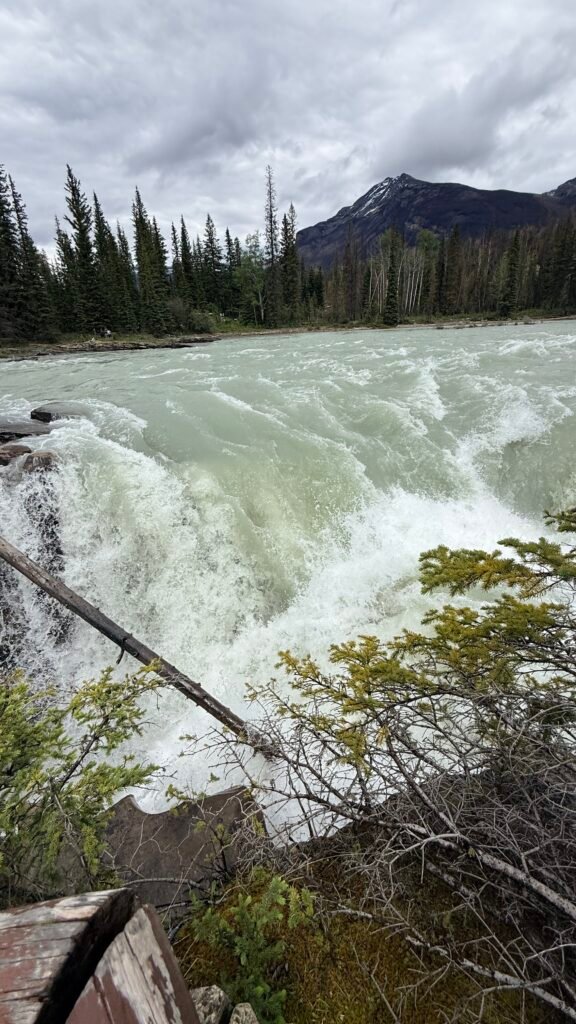
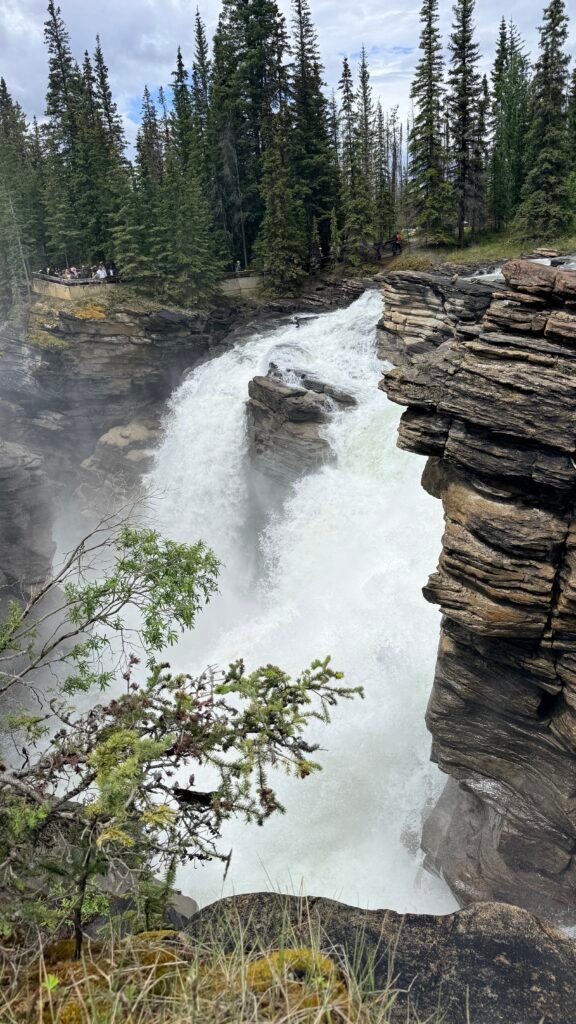
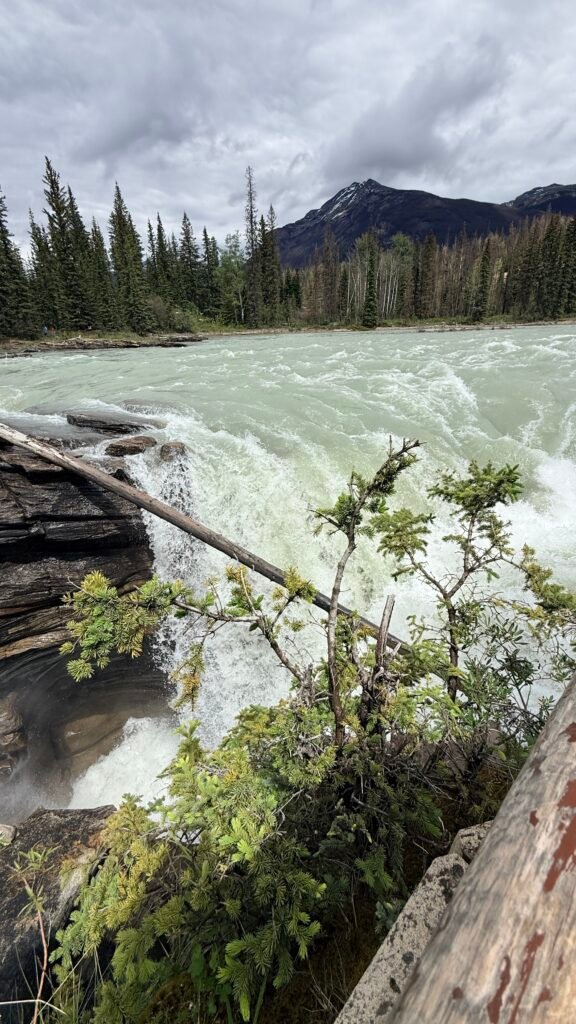
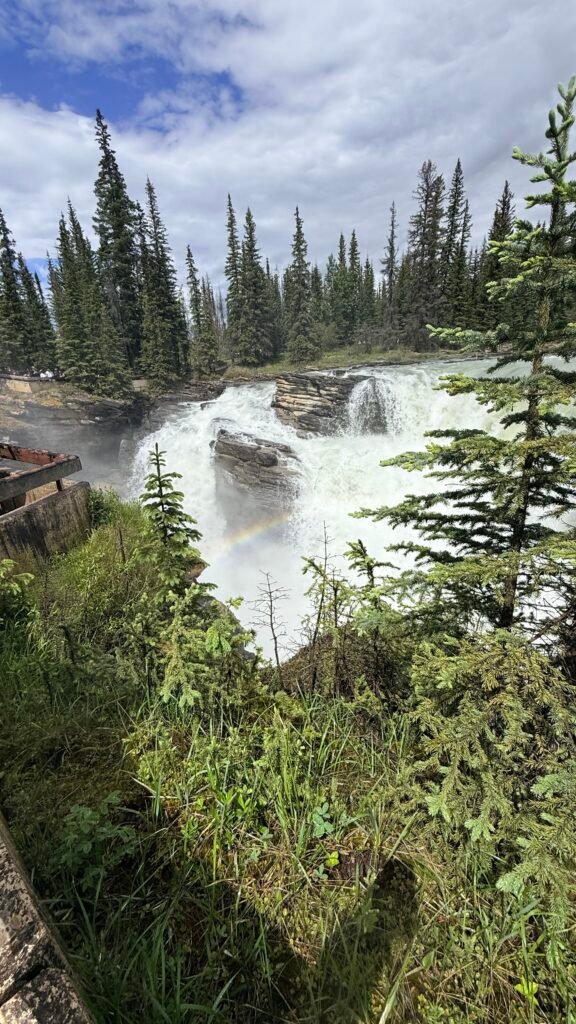
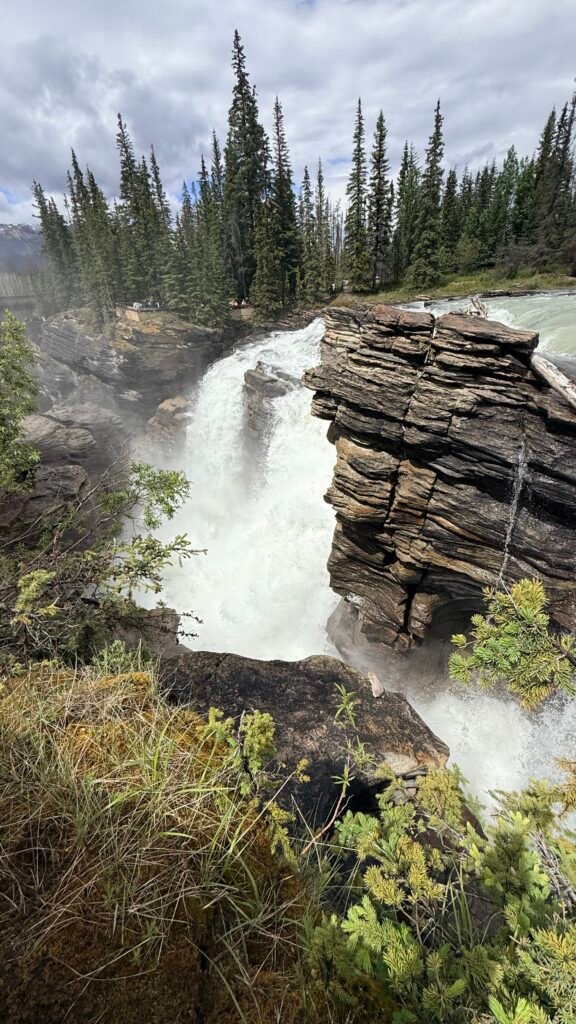
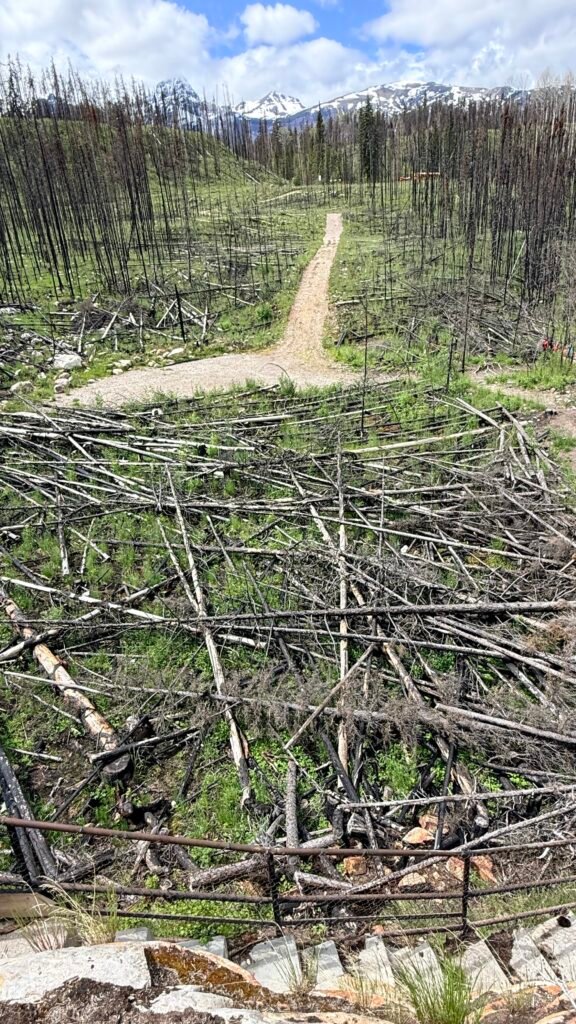
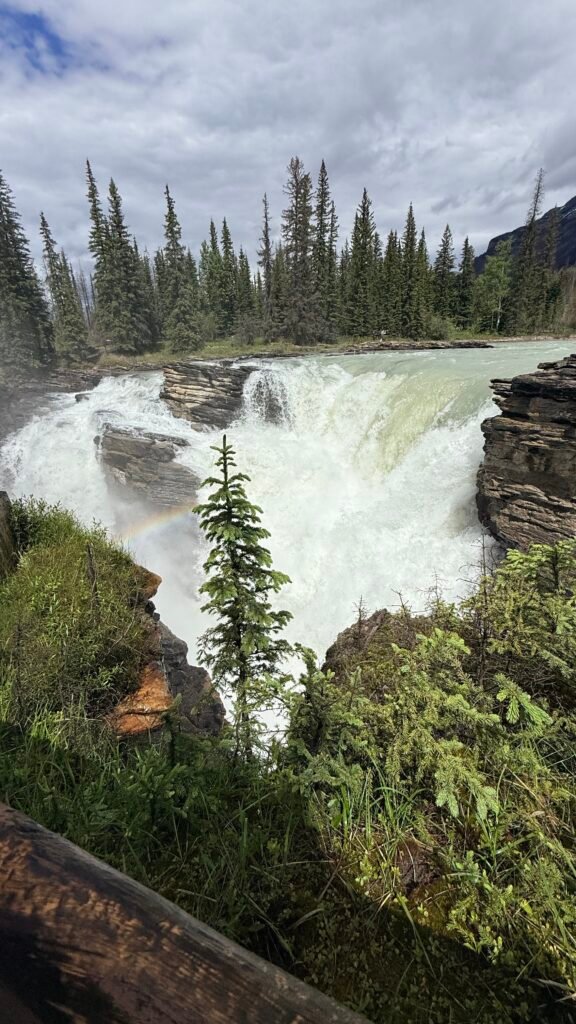
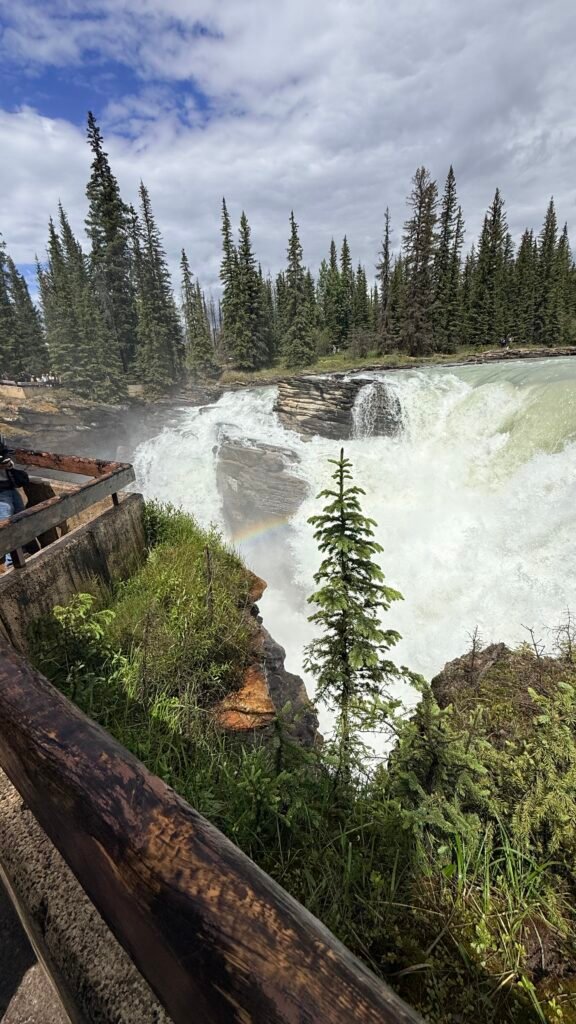
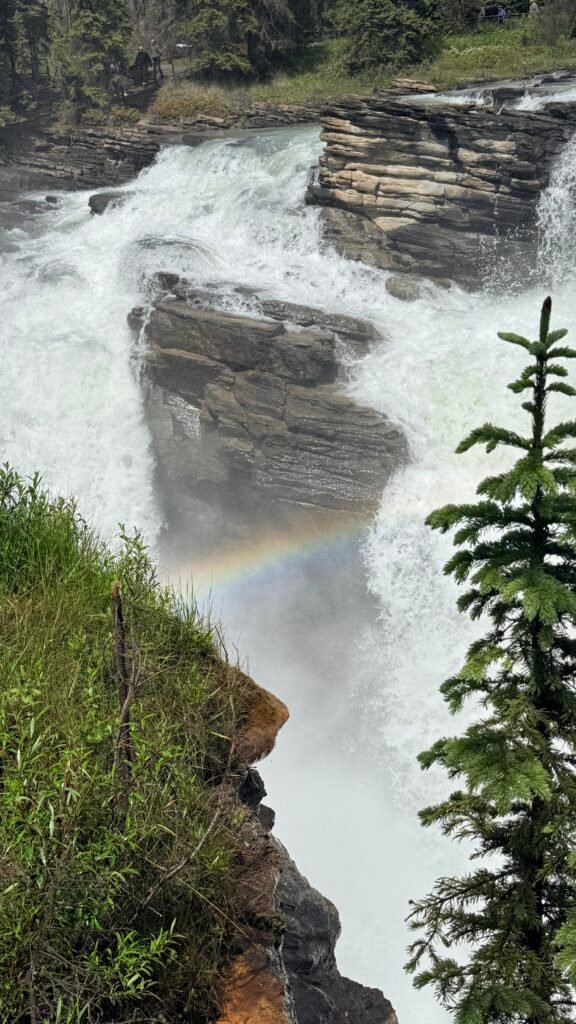
What surprises most visitors is how much there is to explore beyond the main viewpoint. A network of paved paths and developed overlooks surrounds the falls, and each one completely changes your perspective — some look directly into the canyon, others highlight the unusual eroded rock formations, and several offer excellent photo angles that most visitors never find because they turn around too early. One of the pathways leads through a narrow section between two canyon walls with stairs carved into the rocks — it’s one of the coolest few minutes of walking you’ll do in Jasper. Plan to spend at least 45 minutes to an hour here to really take it all in, and go early or late in the day to avoid the tour bus crowds at the main platform.
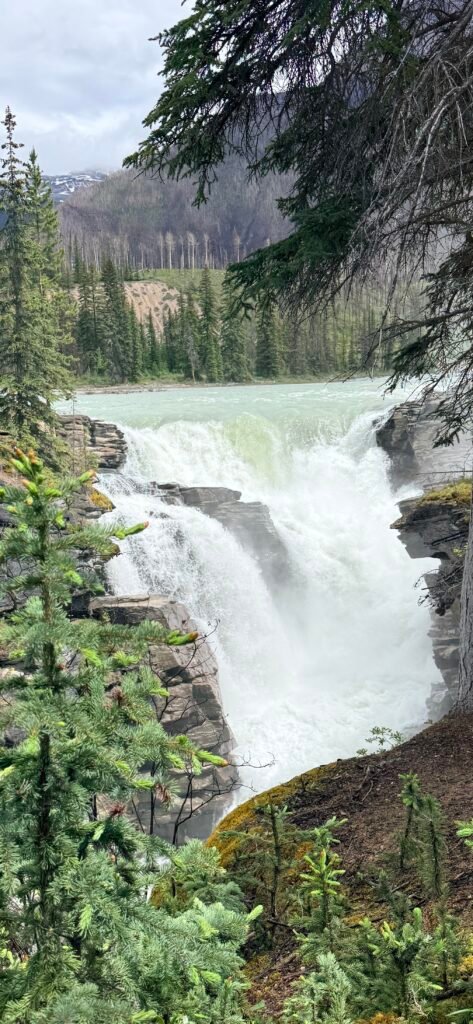
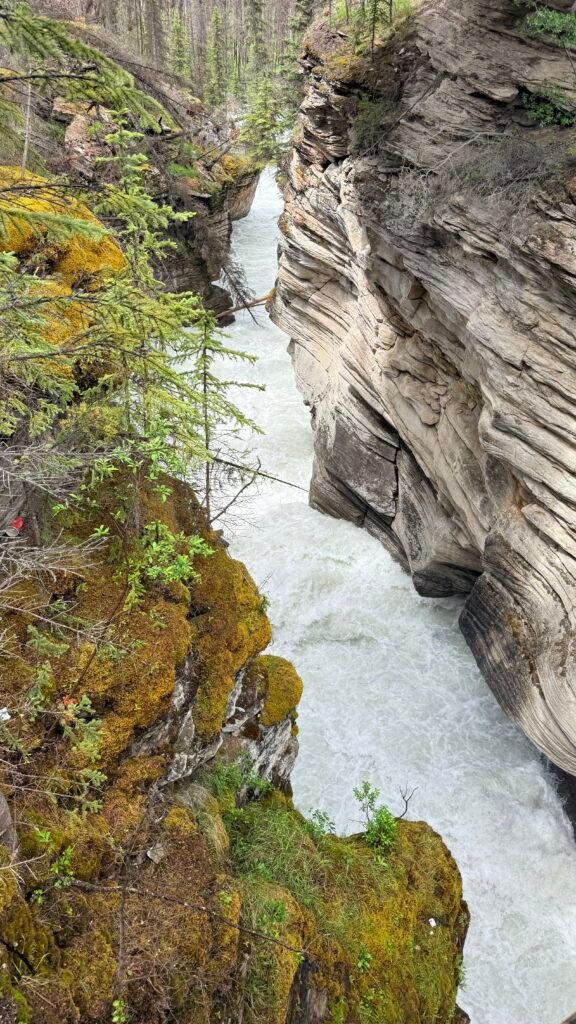
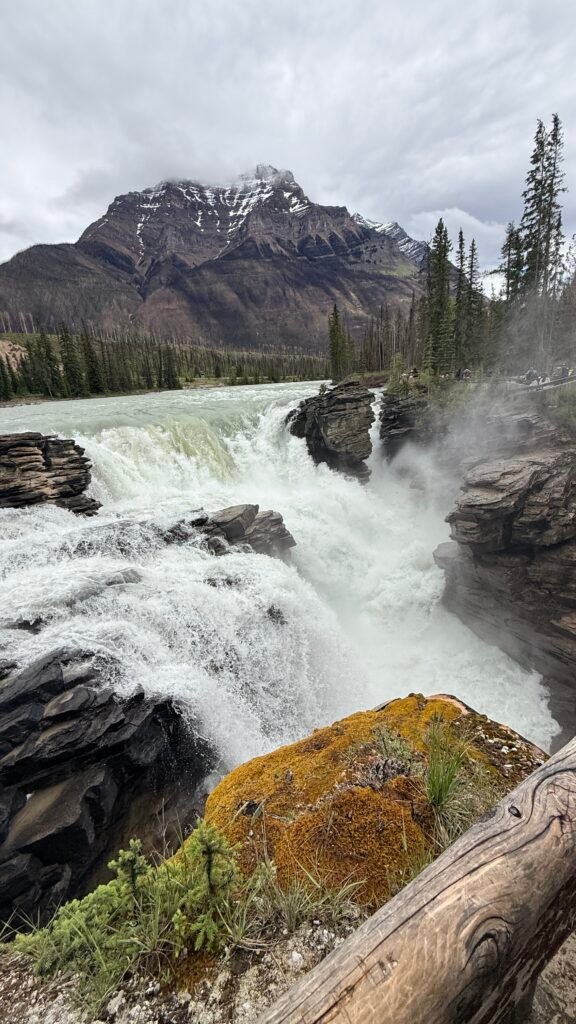
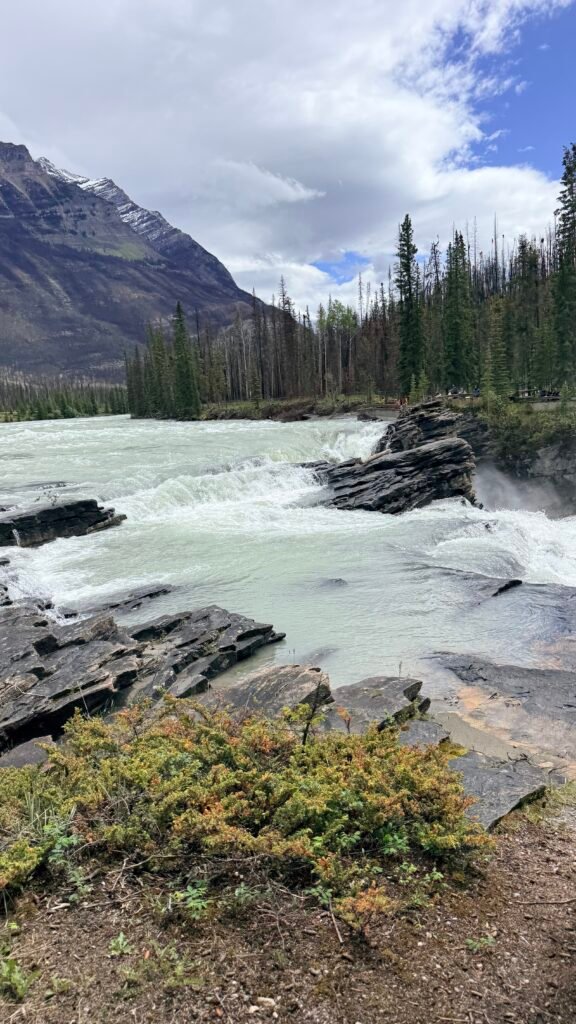
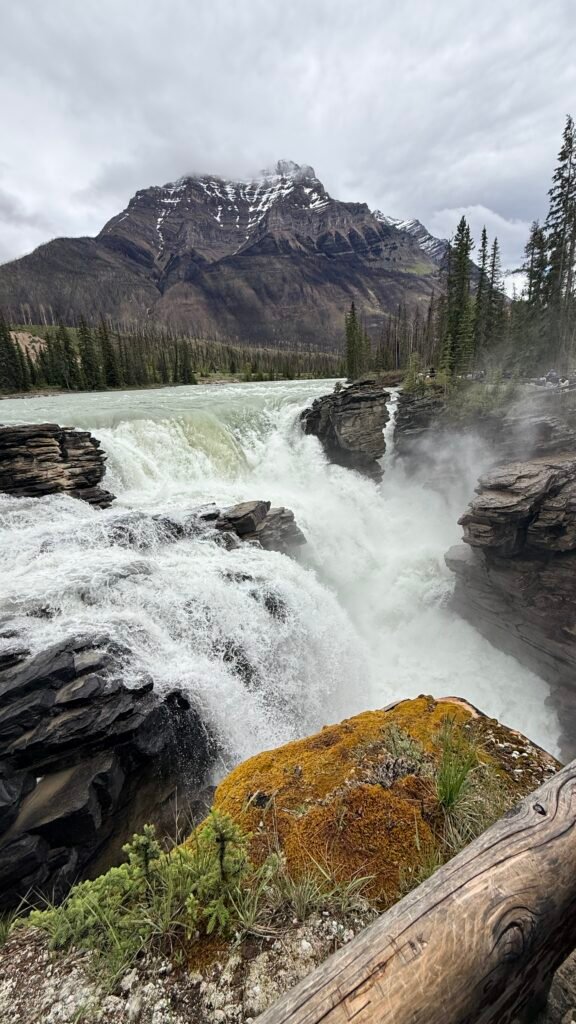
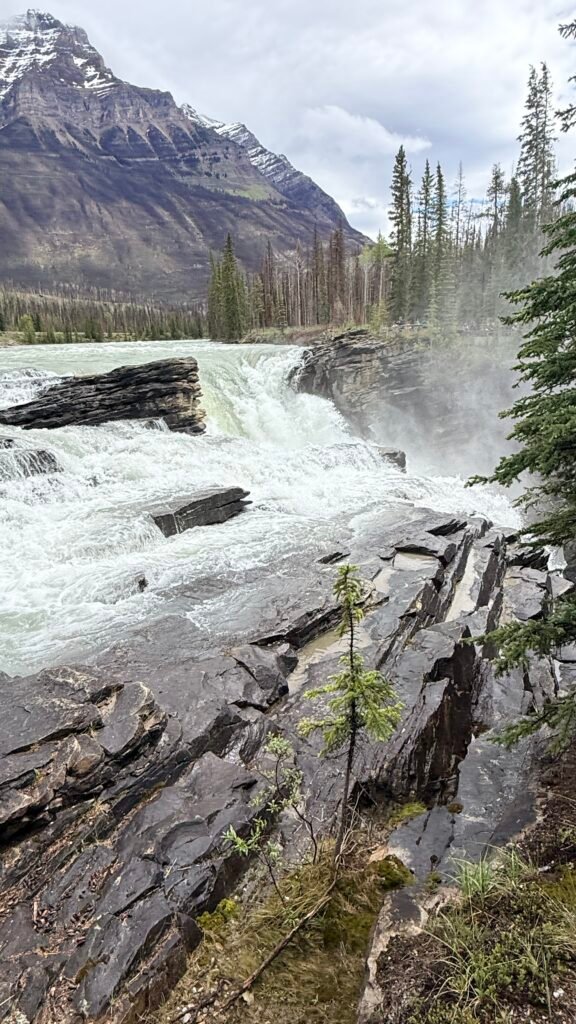
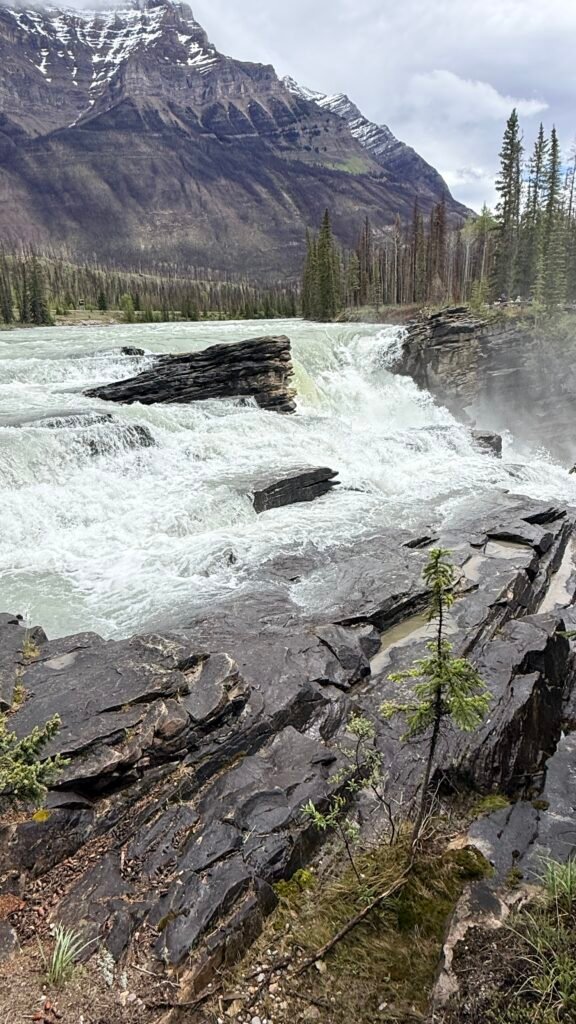
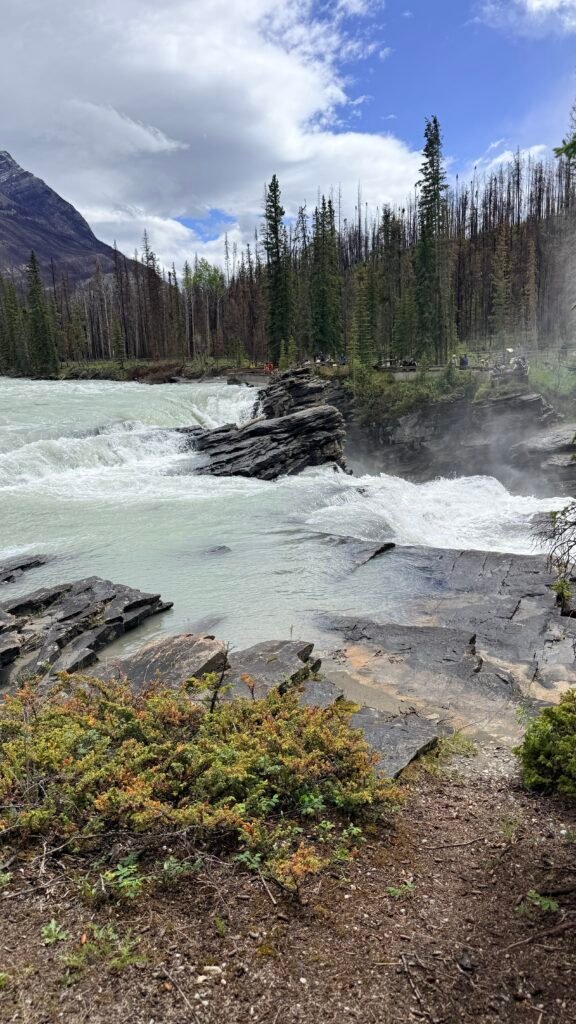
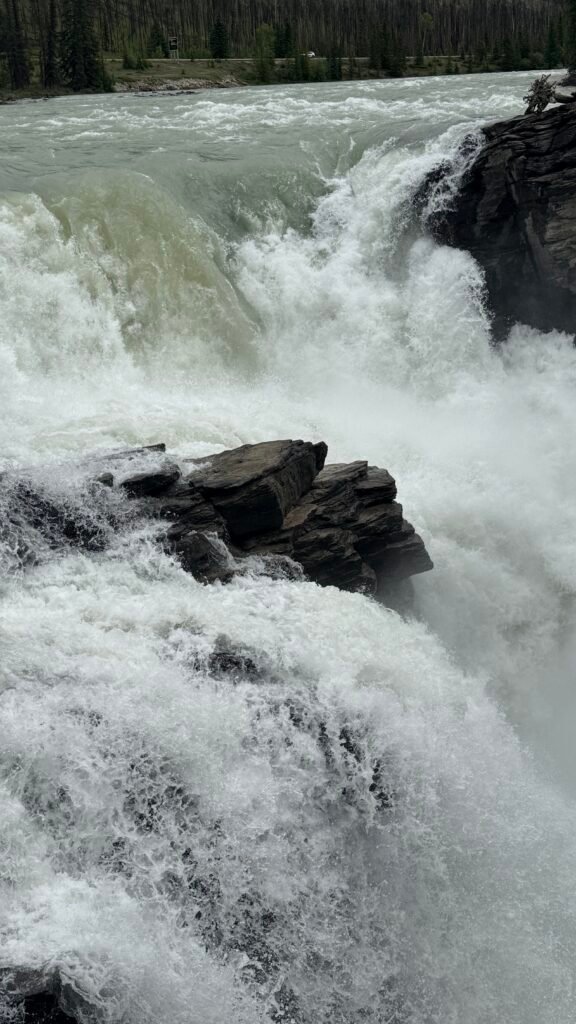
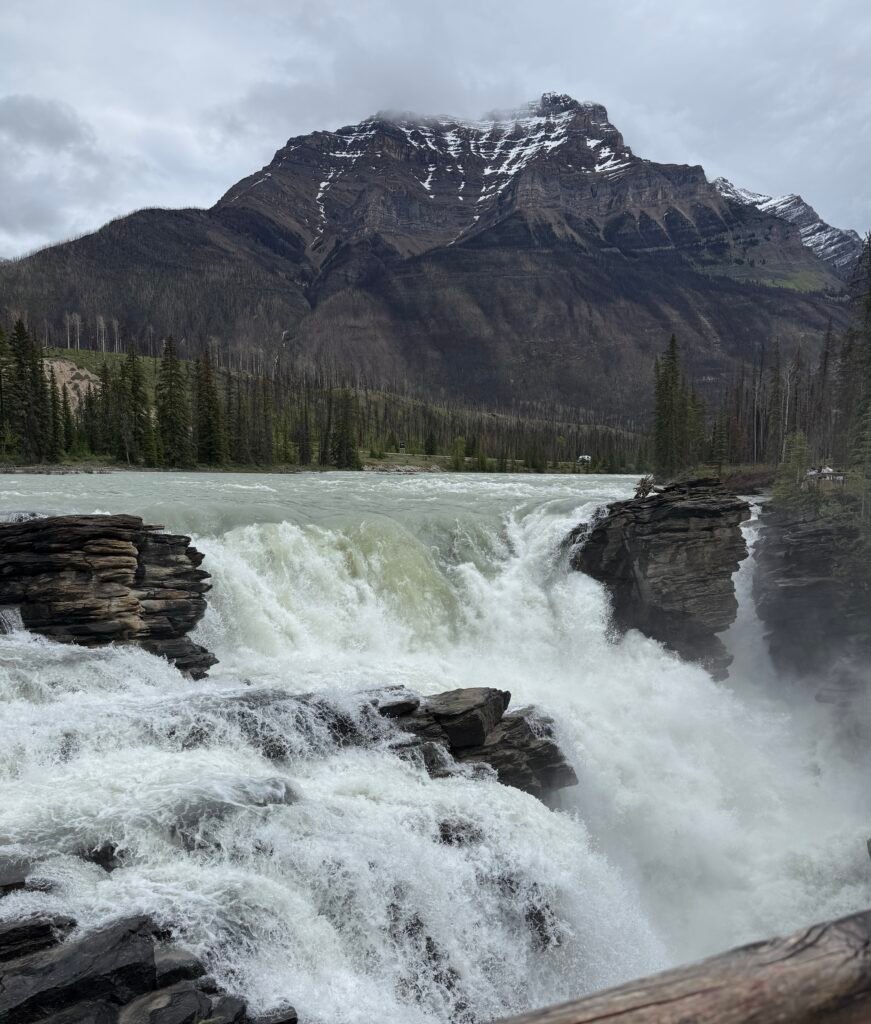
Getting there is simple — Athabasca Falls is located about 30 minutes south of Jasper townsite along the Icefields Parkway, with a designated parking lot right off the highway. The main trail to the primary viewpoint is fully paved and suitable for strollers and most mobility aids, with two accessible parking stalls in the main lot. Dogs are welcome on leash, and entry is free with your Jasper National Park pass. Late May through June is the peak flow period, when snowmelt and glacial runoff push the falls to their most dramatic — but honestly there is no bad time to visit. If you want to extend the adventure, there’s a fantastic whitewater rafting trip that launches from the base of the falls and runs downstream through the canyon — a thrilling way to experience the same water you were just watching from above.